









Embrace Choice and Individual Plans
The idea that a group must do everything together is a primary source of vacation stress. One person’s idea of a perfect day is a strenuous hike, while another dreams of reading by the pool. Forcing everyone into a single itinerary breeds resentment.
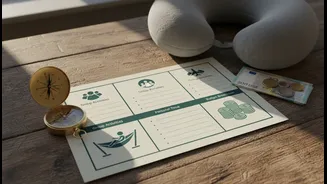
A successful shared holiday allows for individual freedom. Discussing everyone's 'must-do' activities before the trip is a great first step. This allows you to identify overlaps and plan a few key group activities that genuinely excite everyone. For everything else, empower people to go their own way. It is perfectly acceptable to split up for an afternoon. One person can visit a museum while others go shopping, and then everyone can reconvene for dinner with new stories to share. This approach respects different interests and energy levels, ensuring no one feels like they're being dragged along or, conversely, held back. The goal is shared memories, not a shared minute-by-minute schedule.
Downtime is a Non-Negotiable
Even the most extroverted people need time to recharge. When sharing accommodations and meals, personal space can become a scarce and precious commodity. Constant togetherness, no matter how much you love your travel companions, can be draining. That’s why scheduling downtime is as important as booking a headline excursion. This doesn't have to mean disappearing for hours on end. It can be as simple as establishing that mornings are for quiet coffee and personal time, or ensuring there's a two-hour window each afternoon where everyone is free to nap, read, or go for a solo walk. Communicating this need before the trip helps set expectations and prevents anyone from feeling offended when someone else opts for a quiet moment alone. By building personal time into the itinerary, you prevent social burnout and ensure that the time you do spend together is more joyful and engaged.
Talk About Money Early and Often
Financial disagreements can quickly sour the mood of any trip. The most effective way to prevent this is to have open and honest conversations about budget before a single booking is made. Everyone has a different financial comfort level, and it’s crucial to ensure the chosen destination, accommodation, and activities are affordable for the entire group. Discuss how major costs like lodging will be split—whether evenly or by room size. For daily expenses, decide on a system in advance. Will you use a shared kitty, take turns paying for meals, or have each person cover their own costs? Apps like Splitwise or Cino can be incredibly helpful for tracking shared expenses without the awkwardness of constantly asking for money. The key is to agree on a method before you go, removing the guesswork and potential for resentment over who paid for what. A clear financial plan allows everyone to relax and enjoy the trip without worrying about fairness or unexpected costs.
Set Shared Expectations From the Start
Beyond the big three, a successful trip relies on aligning general expectations. Before you leave, have a group conversation about travel styles and daily norms. This is the time to establish ground rules that make shared living easier. For instance, discuss things like quiet hours, especially if some are early birds and others are night owls. If you're sharing a house, talk about chores—who will handle cooking, who will manage cleanup? Delegating tasks ensures no single person feels overburdened. It’s also wise to agree on a communication plan, like a group chat, to keep everyone informed about plans and any changes. Getting these small but significant details sorted out beforehand prevents minor irritations from escalating into major conflicts. It creates a framework of mutual respect that helps the entire holiday run more smoothly for everyone involved.