




North vs. South: Choose Your Puja Vibe
Every pandal-hopper faces the classic Kolkata question: North or South? The two zones offer distinctly different experiences. North Kolkata is the heart of tradition, home to heritage pujas in aristocratic family courtyards (Bonedi Bari) and some of the city's
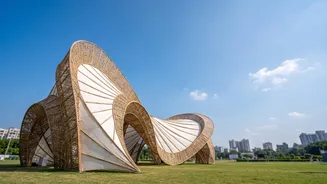
oldest community pandals, like Bagbazar Sarbojanin. The lanes here are narrow, the idols often sport a classic 'ekchala' design, and the vibe is steeped in nostalgia. South Kolkata, on the other hand, is known for its grand, big-budget theme pujas that feel like modern art installations. Committees like Ekdalia Evergreen, Suruchi Sangha, and Deshapriya Park compete to create elaborate, innovative spectacles that draw massive crowds. A smart itinerary embraces both; dedicate one day to the heritage trails of the North and another to the spectacular themes of the South.
Master the Metro: Your Secret Weapon
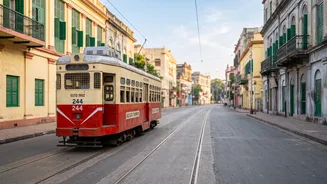
During the five main days of Puja, Kolkata's roads become gridlocked. Private cars and app-based cabs are often impractical due to traffic diversions and surge pricing. Your most reliable ally is the Kolkata Metro, which runs special all-night services from Saptami to Navami, often until 4 AM. Planning your route around Metro stations is the most efficient way to travel between North, Central, and South Kolkata. For North Kolkata's pandals, key stations include Shyambazar and Sovabazar Sutanuti. For the popular South Kolkata circuit, aim for Kalighat, Jatin Das Park, and Rabindra Sarobar stations. To avoid long queues at ticket counters during the rush, get a smart card in advance.
Timing is Everything: How to Beat the Crowds
The biggest crowds predictably surge between 7 PM and midnight. To truly appreciate the artistry of the pandals without being swept away by a human tide, timing your visit is crucial. Seasoned pandal-hoppers swear by two golden windows: early mornings and late nights. Aim to be out between 8 AM and 11 AM, when you can see the idols and decorations in relative peace. Alternatively, venturing out after 2 AM offers a less crowded but equally dazzling experience under the lights. Some dedicated enthusiasts even start as early as 4:30 AM. The days of Panchami and Shashthi, just before the main festival days, are also great for visiting the big-ticket pandals before the peak rush begins.
Fuel Your Journey: A Pandal-Hopper's Food Guide
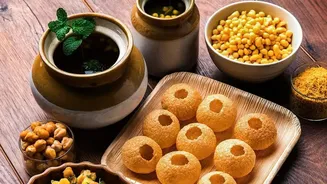
Pandal hopping is a marathon, and the street food stalls are your delicious fuel stops. While famous restaurants will have long waiting times, the city's streets transform into a massive food court. A quintessential on-the-go meal is the Kolkata Kathi Roll—a flaky paratha wrapped around a filling of egg, chicken, or mutton. Other must-try snacks found near pandals include Phuchka (Kolkata's version of panipuri), Ghugni (a spiced pea curry), and Jhal Muri (spicy puffed rice). For something more substantial, look for roadside stalls dishing out hot plates of chowmein or kobiraji cutlets. And no Puja food trail is complete without indulging in Bengali sweets like Mishti Doi and Sandesh from a local sweet shop.
Essential Tips for a Smooth Experience
A little preparation can make a huge difference. First, wear comfortable shoes. With road closures and barricades, you will be walking a lot—often 10-15 kilometers a day. Dress in light, breathable fabrics as it can still be humid, and crowds generate heat. Carry a water bottle to stay hydrated and a power bank for your phone, as navigating and taking photos will drain your battery quickly. Finally, don't try to see everything. Pick a few key pandals for each outing and leave room for spontaneous discoveries. The real magic of Puja often lies in the unexpected moments between the planned stops.