




Beyond the bustling beaches of Alibaug lies a slice of European history on the Konkan coast. We guide you to Korlai Fort, a lesser-known sentinel guarding tales of conquest, a unique language, and breathtaking views of the Arabian Sea.
A Slice of Portugal on the Konkan Coast
While the formidable
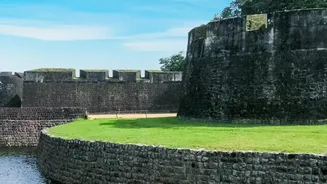
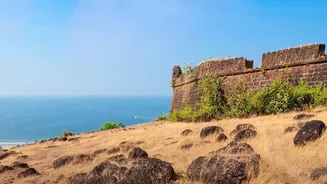
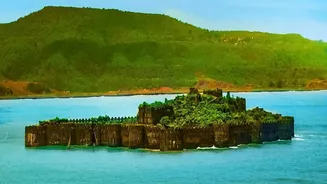
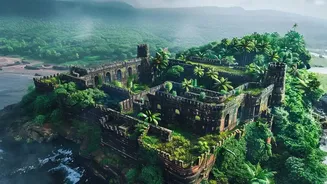
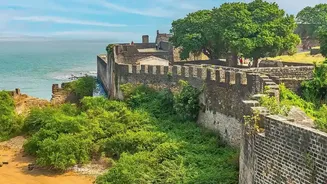
sea forts of Murud-Janjira and Sindhudurg often steal the spotlight, a quieter, equally fascinating structure stands guard at the mouth of the Kundalika River. This is Korlai Fort, also known by its Portuguese name, 'Morro de Chaul' or 'Castle Curlew'. Unlike the famous Maratha forts, Korlai is a relic of Portuguese colonial architecture, originally built in 1521 to defend their strategic interests in the bustling trade port of Chaul. Situated on a headland with the sea on three sides, its location provided a commanding view of the Arabian Sea, making it a critical outpost in a defensive line that stretched all the way to Bassein (Vasai). Today, the fort is in ruins, but its overgrown ramparts and weathered stone walls whisper stories of a past that feels distinctly different from the region's dominant Maratha history. A visit here isn't just about exploring a monument; it's about uncovering a unique layer of Maharashtra's coastal heritage.
A Living Language and a Storied Past
What makes Korlai truly exceptional is not just its stones, but its people. The adjacent Korlai village is home to a small community of Roman Catholic Christians who speak 'Kristi' or Korlai Creole Portuguese—a rare 500-year-old dialect born from the intermingling of Portuguese soldiers and locals. This language, a mix of Portuguese and local Marathi, is a living testament to the fort's history and is spoken by fewer than a thousand people, making it a unique cultural marker found nowhere else in India. The fort itself has seen centuries of turmoil. After its initial construction with the permission of the Ahmednagar Sultanate, it was captured and rebuilt by the Portuguese in the late 16th century. It even withstood an attempted siege by Chhatrapati Sambhaji Maharaj in 1687 before eventually falling to the Marathas in 1739 and later passing to the British. This complex history is etched into its very structure, from Portuguese inscriptions to the ruins of a 17th-century church within its walls.
Exploring the Fort and Lighthouse
The trek up to Korlai Fort is a short and relatively easy one, taking about 15-20 minutes, making it accessible for most visitors. Once atop the hill, you are free to wander through the expansive ruins. The fort is surprisingly long, stretching over 2,800 feet. Key sights include its eleven gates, numerous bastions (some still bearing the names of Christian saints), a large rainwater cistern named Santa Cruz, and the remnants of the old church. The real reward, however, is the panoramic view. From the ramparts, you can see the endless Arabian Sea, the curve of the Korlai beach, and the Revdanda creek estuary. Near the southern gate, a well-maintained lighthouse, built in 1955, is still operational and offers another fantastic vantage point. The entire area is a photographer's delight, especially during the monsoons when it is covered in lush greenery or during the winter months for clear, stunning sunsets.
How to Plan Your Visit
Korlai Fort is located in the Raigad district, about 23 km south of Alibaug and 115 km from Mumbai. The easiest way to reach it is by road. If driving from Mumbai, take the route towards Alibaug and continue down the coastal road past Revdanda. The nearest major railway stations are Pen and Roha, from where you can hire a local auto-rickshaw or take a bus. There is no entry fee for the fort, which is open during daylight hours, typically from 9 AM to 5 PM. A visit can take around two to three hours. It's advisable to wear comfortable shoes with a good grip and carry your own water and snacks, as there are no facilities on the fort itself. The best time to visit is from October to March, when the weather is pleasant. While summers can be hot, the monsoon season offers a dramatic, green landscape, though the paths can be slippery.