



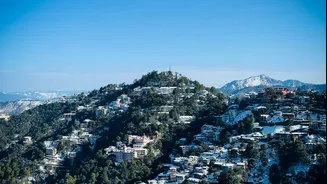
When you picture Rajasthan and Gujarat, you probably think of golden deserts and vibrant, sun-drenched cities. But tucked away in these western Indian states are serene hill stations offering a cool, refreshing escape you never expected.
Mount Abu, Rajasthan
As Rajasthan’s
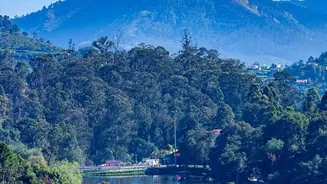
only true hill station, Mount Abu is an oasis in the Aravalli Range. While popular with domestic tourists, it remains an underrated gem for many international travelers. The town is centered around the picturesque Nakki Lake, perfect for a breezy boat ride. Unlike the scorching plains below, Mount Abu enjoys a pleasant climate, especially from October to February. Its main attractions include the Dilwara Temples, masterpieces of intricate marble carving, and Guru Shikhar, the highest peak in the Aravallis, which offers stunning panoramic views.
Guru Shikhar, Rajasthan
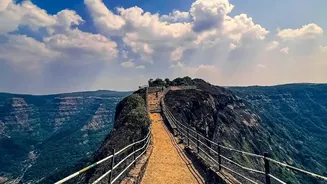
Just a short drive from Mount Abu town, Guru Shikhar stands as the highest point in the entire Aravalli Range at 5,650 feet. More than just a viewpoint, it’s a destination in its own right. The climb to the top is rewarded with breathtaking vistas of the surrounding landscape and a profound sense of tranquility. At its peak sits a small temple dedicated to Guru Dattatreya, a revered Hindu sage. The air here is noticeably cooler and crisper, making it a perfect spot for those looking to escape the heat and find a moment of peace.
Achalgarh, Rajasthan
For a quieter alternative near Mount Abu, the historic village of Achalgarh offers a blend of history and nature. Located about 11 kilometers away, it's centered around the Achalgarh Fort, a medieval stronghold built by Rana Kumbha of Mewar. The fort complex is less crowded than Mount Abu’s main attractions and provides a glimpse into the region's strategic past. It also houses the Achaleshwar Mahadev Temple, a significant Shiva shrine. The area is ideal for gentle treks and exploring ancient ruins without the usual tourist bustle.
Saputara, Gujarat
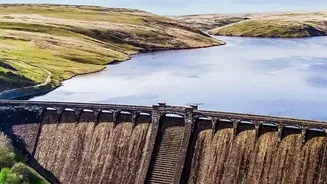
Known as Gujarat's only planned hill station, Saputara is nestled in the Sahyadri mountains of the Western Ghats. Its name means 'Abode of Serpents,' and the area is rich in the culture of local Adivasi tribes. The town is built around the serene Saputara Lake, offering boating and pleasant lakeside walks. Key attractions include Sunrise Point, Sunset Point, and the lush Step Garden. During the monsoon (July to September), the region becomes exceptionally green, with waterfalls like Gira Falls in full flow, though the winter months offer clearer, cooler weather for outdoor activities.
Wilson Hills, Gujarat
What makes Wilson Hills unique is the incredible view of the Arabian Sea from its peak on clear days—a rare feature for an Indian hill station. Located in the Dharampur taluka at an elevation of about 2,500 feet, this densely forested region offers a noticeably cooler and less humid climate than the surrounding plains. It’s a quiet, less developed retreat perfect for nature lovers. Key spots include the Marble Chhatri viewpoint, Sunrise Point, and the Ozone Valley, all offering panoramic views of the verdant landscape.
Don Hill Station, Gujarat
Touted as Gujarat's 'second Saputara,' Don is a rustic village hill station that sits at a higher altitude than its more famous neighbor. This is a true offthebeatenpath destination, offering a glimpse into the serene lifestyle of the local tribal population, which numbers around 1,200. Named after the guru Dronacharya, the area is known for its rich biodiversity and stunning natural beauty, especially during the monsoon. With limited amenities, it's best for a day trip for those seeking raw untouced landscapes and adventurous treks.
Pavagadh, Gujarat
More than just a hill, Pavagadh is a UNESCO World Heritage site combined with the ancient city of Champaner at its base. The hill is a major pilgrimage destination, crowned by the Kalikamata Temple, which draws thousands of devotees. The journey up the hill reveals ruins of forts, palaces, and ancient Hindu and Jain temples. While not a traditional 'hill station' for leisure, its elevation provides cooler air and its incredible historical significance, blending Hindu,, Jain,, and Islamic architecture,, makes it a fascinating and unexpected mountain escape.