






The Gentle Power of Walking
When you carry more weight, high-impact exercises like running can put significant stress on your joints, particularly your knees and hips. This can lead to pain and injury, derailing your fitness goals before you even get started. Walking, however, is a low-impact
activity that minimizes this stress. It strengthens your heart, improves circulation, and helps manage conditions like high blood pressure and type 2 diabetes. Studies show that a consistent walking habit is effective for reducing overall body fat, including visceral fat, which is linked to serious health risks. It’s a gentle giant in the world of exercise—underrated yet incredibly effective.
More Than Just Physical
The hurdles to starting a fitness journey aren't just physical. Many people feel self-conscious or intimidated. Walking offers a private and personal way to begin. You don't need a gym membership or fancy equipment. The mental health benefits are just as significant. Physical activity releases endorphins, the body's natural mood-boosters, and reduces stress hormones like cortisol. Research shows that even a single 10-minute walk can improve your mood and lessen anxiety. This positive feedback loop is crucial; when an activity makes you feel good, you're more likely to stick with it.
Your Guide to Getting Started
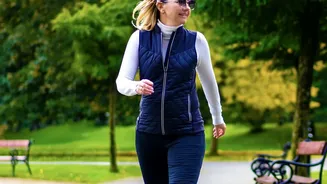
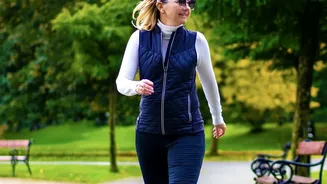
Ready to take the first step? The key is to start slow and build gradually. Don't worry about speed or distance initially. Your first goal is consistency. Try starting with a 10- to 15-minute walk each day. Once that feels comfortable, gradually increase the duration. Focus on making it a habit, something you do most days of the week. Invest in a pair of supportive and comfortable shoes to prevent injuries. Pay attention to your posture: keep your head up, look forward, and relax your neck and shoulders. These small details make the activity safer and more effective.
Listen to Your Body
One of the most important rules of starting a new fitness routine is to listen to your body. Some muscle soreness is normal, but sharp pain is a signal to stop and rest. The goal is progress, not perfection. If you can only manage five minutes one day, that is infinitely better than zero minutes. A conversational pace is a good benchmark—you should be able to hold a conversation without getting breathless. As your fitness improves, you'll naturally be able to walk farther and faster. The sign of progress isn't just about weight loss, but about feeling stronger and having more energy.
Making Walking a Sustainable Habit
To ensure walking becomes a long-term part of your life, find ways to make it enjoyable. Create a playlist of your favourite music or listen to an engaging podcast. Invite a friend or family member to join you for accountability and social connection. Varying your route can also keep things interesting and challenge your muscles in new ways. The most successful fitness plan is one you can stick with. By focusing on consistency and finding joy in the movement, walking can transform from a task into a cherished part of your day.