

The Heart of the Matter: The Aloo Filling
Before we even get to the frying, the soul of a great bread pakora lies in its spicy potato filling. The key is to create a stuffing that is flavourful but not overly wet. Start with boiled potatoes, ensuring they are cooked until tender but not waterlogged;
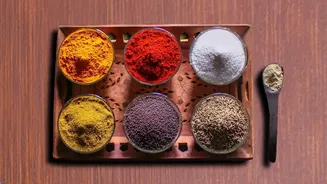
steaming them is a great way to control moisture. Mash them while they are still warm, but don't turn them into a completely smooth paste; some texture is desirable. To the mashed potatoes, add a vibrant mix of spices. Essential additions include finely chopped green chillies and ginger, red chilli powder, amchur (dry mango powder) for a tangy kick, garam masala, and plenty of fresh, chopped coriander leaves. Some recipes also call for cumin seeds, turmeric, and chaat masala for an extra layer of street-style flavour. Mix everything thoroughly, taste, and adjust the salt and spice levels. The filling should be noticeably bold and zesty to balance the mildness of the bread and batter. Once prepared, let the filling cool completely before you begin assembling the pakoras.
The Crispy Coating: Secrets of the Besan Batter
The batter is where the magic of the crunch begins. A perfect batter is neither too thick nor too thin. A batter that is too runny will fail to coat the bread properly and will absorb excess oil, leading to a soggy result. A batter that's too thick will create a heavy, dense coating. The ideal consistency should be like a smooth, flowing paste that can evenly coat the back of a spoon. Start with good quality gram flour (besan) and sieve it to avoid lumps. To this, add spices like turmeric powder, red chilli powder, salt, and carom seeds (ajwain), which aids digestion. For that sought-after crispiness, many vendors and home cooks add a tablespoon or two of rice flour or cornstarch to the besan. This is a simple trick that makes a significant difference. Another secret is to add a pinch of baking soda and a tablespoon of hot oil from the pan directly into the batter just before frying. This helps create a lighter, crispier texture. Gradually add water, whisking continuously to form a smooth, lump-free batter. Let it rest for 10-15 minutes to allow the ingredients to meld.
The Science of Frying: Temperature is Everything
This is the most critical step. The temperature of the oil determines whether your pakora will be a crispy delight or a greasy disappointment. The ideal temperature for frying pakoras is between 170°C and 180°C (335°F to 350°F). If the oil is not hot enough, the bread will absorb a large amount of it, becoming heavy and oily. If the oil is too hot, the batter will brown and burn on the outside before the inside is properly cooked. To test the oil without a thermometer, drop a small bead of batter into the pan. If it sizzles and rises to the surface immediately, the oil is ready. If it sinks and stays at the bottom, the oil needs more time to heat up. It's also crucial not to overcrowd the pan. Frying in small batches ensures the oil temperature remains stable, allowing each pakora to cook evenly and develop a uniform golden-brown crust.
The Double-Fry: A Vendor’s Trick for Extra Crunch
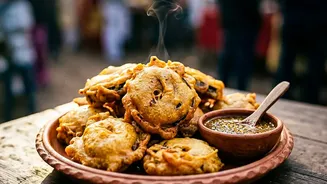
For the ultimate street-style crispiness that lasts, consider the double-fry method. This technique is often used by professionals to achieve a perfectly crunchy texture. The process involves frying the pakoras twice. First, fry the batter-coated bread on medium heat for 3-4 minutes per side until it's cooked through but still pale and only lightly golden. Remove them from the oil and let them drain on a wire rack. Let them cool slightly. Just before serving, increase the heat of the oil slightly. Plunge the partially cooked pakoras back into the hot oil and fry for another 1-2 minutes per side until they turn a deep golden brown and become incredibly crispy. This second fry drives out any remaining moisture from the crust, making it extra crunchy. While it's an extra step, the results are undeniably superior and well worth the effort for that authentic street food experience.
Assembly and Serving Suggestions
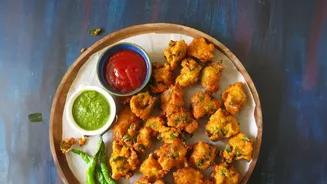
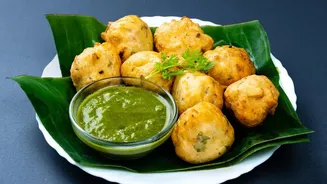
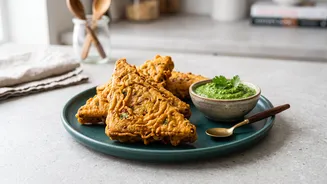
To assemble, take two slices of bread. You can spread green chutney on one slice and tamarind chutney or tomato ketchup on the other for an extra layer of flavour. Spoon a generous layer of the cooled potato filling onto one slice and cover it with the other, pressing down gently to form a sandwich. Cut the sandwich diagonally into two triangles. Carefully dip each triangle into the prepared batter, ensuring it's fully coated on all sides, including the cut edges. Gently slide it into the hot oil. Fry until golden and crisp, following the temperature guidelines. Once done, remove with a slotted spoon and place on a wire rack or paper towel to drain excess oil. Bread pakoras are best served immediately while hot, alongside more green chutney, tamarind chutney, or a simple cup of hot chai.