




The Current State of Play
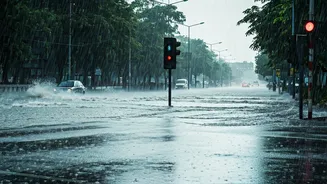
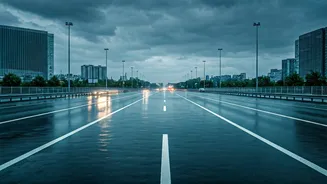
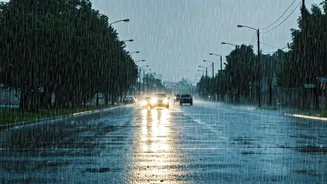
Recent heavy showers have submerged several key areas across the capital, turning routine journeys into hours-long ordeals. Major roads and underpasses at locations like ITO, Moti Bagh, Pragati Maidan, and the Delhi Meerut Highway are experiencing severe
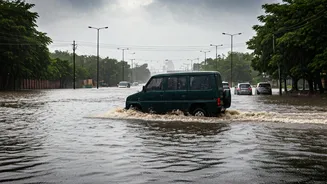
waterlogging, bringing traffic to a crawl. The Delhi Traffic Police has issued multiple advisories, urging commuters to avoid certain routes and plan their travel accordingly. The influx of rain has led to familiar scenes of stranded vehicles and people wading through knee-deep water in low-lying areas, with social media flooded with images of the mayhem. This isn't just an inconvenience; it's a city-wide disruption affecting millions.
An Annual Problem
For Delhiites, this is a frustratingly familiar script. Every year, the monsoon exposes the city's infrastructural vulnerabilities. Despite pre-monsoon preparations and claims of desilting drains, a few hours of intense rain are enough to overwhelm the system. Experts point to a combination of factors: an antiquated and overburdened drainage network, rapid and often unplanned construction that obstructs natural water flow, and the sheer volume of rainfall that modern climate shifts can bring. Until long-term urban planning solutions are effectively implemented, residents are left to fend for themselves each year.
Your Survival Kit: Before You Leave Home
Success in the monsoon commute is all about preparation. Before stepping out, your first move should be to check for real-time information. Use navigation apps to identify waterlogged areas and major traffic jams. Following the official social media handles of the Delhi Traffic Police can provide crucial, up-to-the-minute advisories on road closures and diversions. Also, check the weather forecast to see if more heavy spells are predicted. It's wise to pack a 'commute emergency kit': a waterproof bag for your electronics, a change of clothes and footwear for the office, and a power bank. Assuming your journey will take double the usual time is a realistic starting point for planning.
Choosing Your Mode of Transport
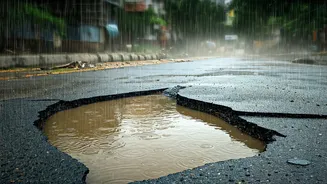
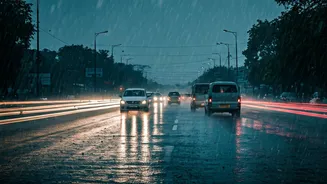
How you travel makes all the difference. If you're driving, avoid deep water at all costs, as it can hide potholes and lead to engine damage. Drive slowly and maintain a safe distance from the vehicle ahead, as braking efficiency is reduced on wet roads. The Delhi Metro, while often crowded, remains one of the most reliable options for traversing the city during heavy rains, as it is largely unaffected by street-level waterlogging. However, be prepared for a surge in passengers. Ride-hailing apps and auto-rickshaws can be a gamble, with frequent cancellations and surge pricing during peak rain.
The Work-From-Home Option
The most effective way to beat the commute is to avoid it entirely. The challenges posed by the monsoon have made a strong case for flexible work arrangements. If your job allows, proactively discuss a work-from-home policy with your employer for days with heavy rainfall predictions. Many companies have become more open to this, prioritising employee safety and recognising that productivity is lost in frustrating, multi-hour commutes. Frame it not as an ask for a day off, but as a way to ensure work continues smoothly without the disruption of travel chaos.