
A Conscious Choice for Health
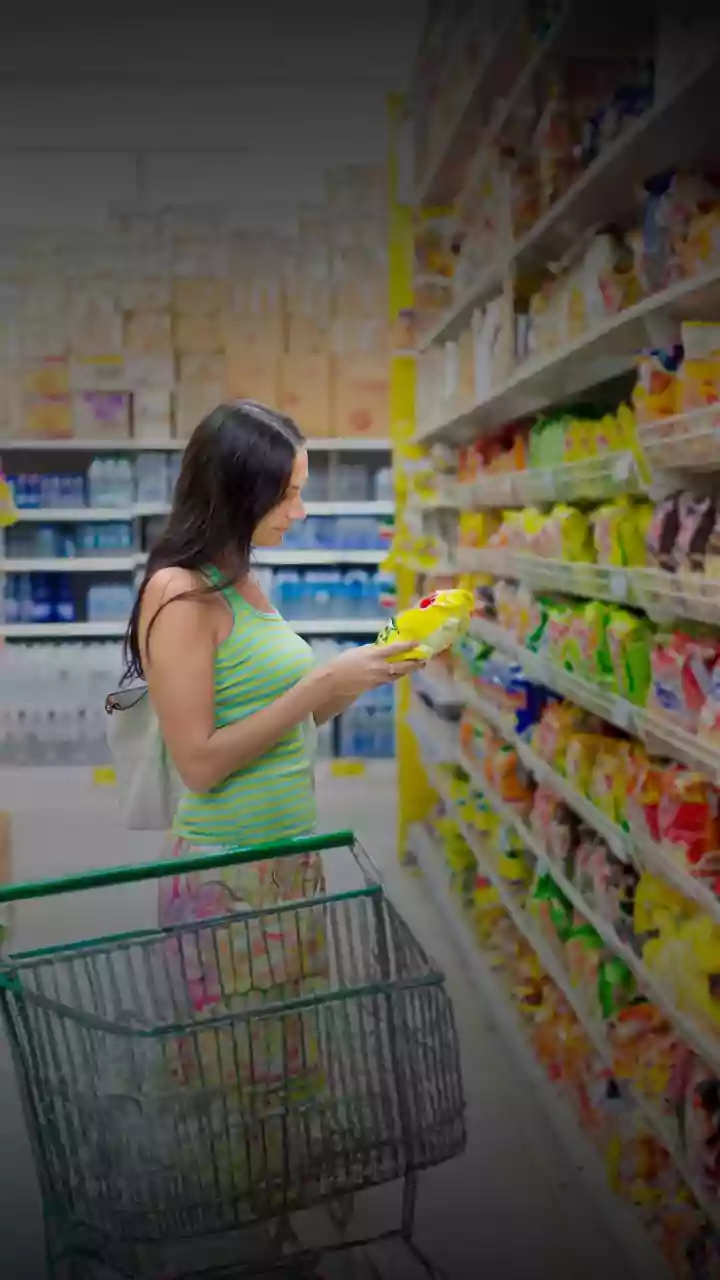
In an age of heightened wellness awareness, the primary driver for this shift is health. Store-bought festive snacks are often loaded with refined sugar, low-quality oils, and artificial preservatives to extend shelf life. Busy urbanites are becoming
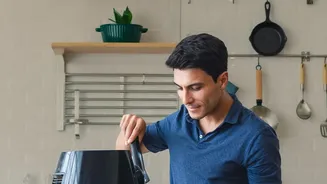
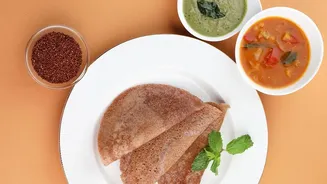
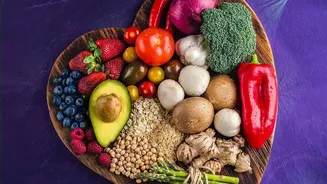
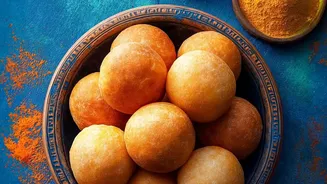
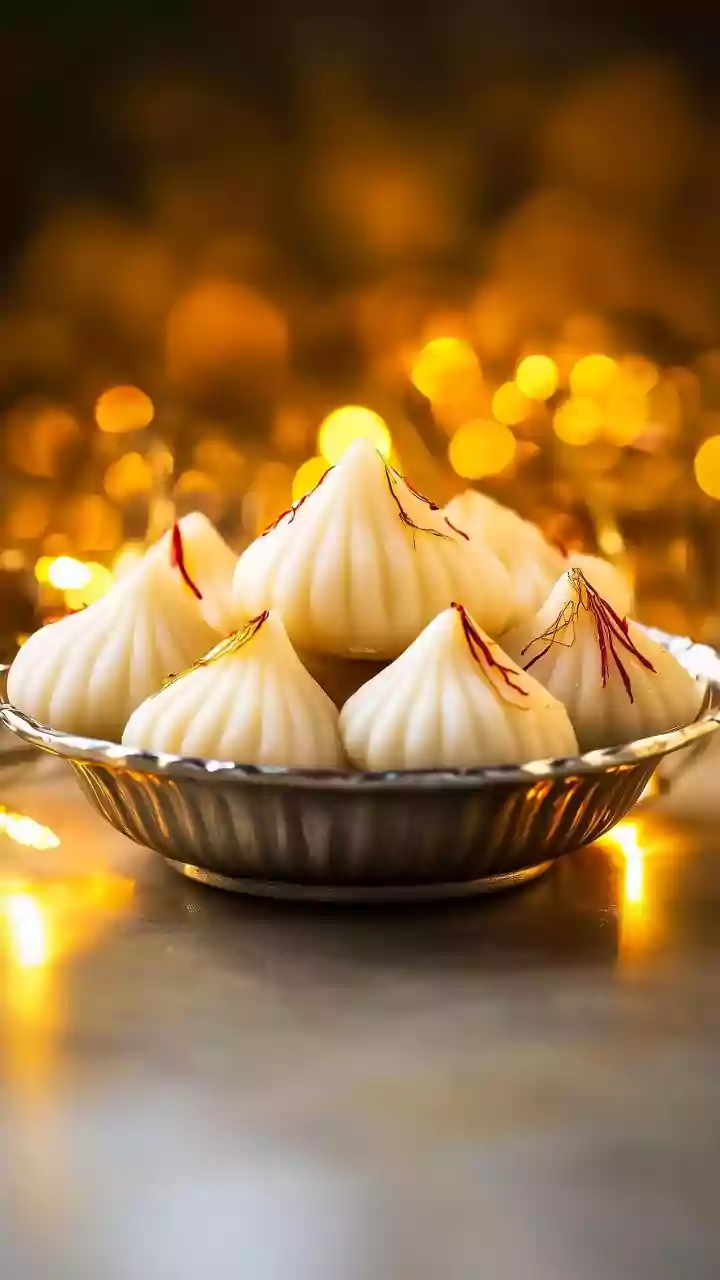
more discerning, questioning what goes into their food. Making snacks like murukku, chakli, or shankarpali at home gives them complete control over the ingredients. They can choose to use healthier oils, swap refined sugar for jaggery, use whole grains like millet or ragi, and completely eliminate preservatives. This move isn't about deprivation; it's about making celebratory indulgence more mindful and less detrimental to long-term health goals. The consensus is clear: traditional recipes, when prepared consciously, offer superior nutrition without sacrificing the festive spirit.
Serving Up a Plate of Nostalgia
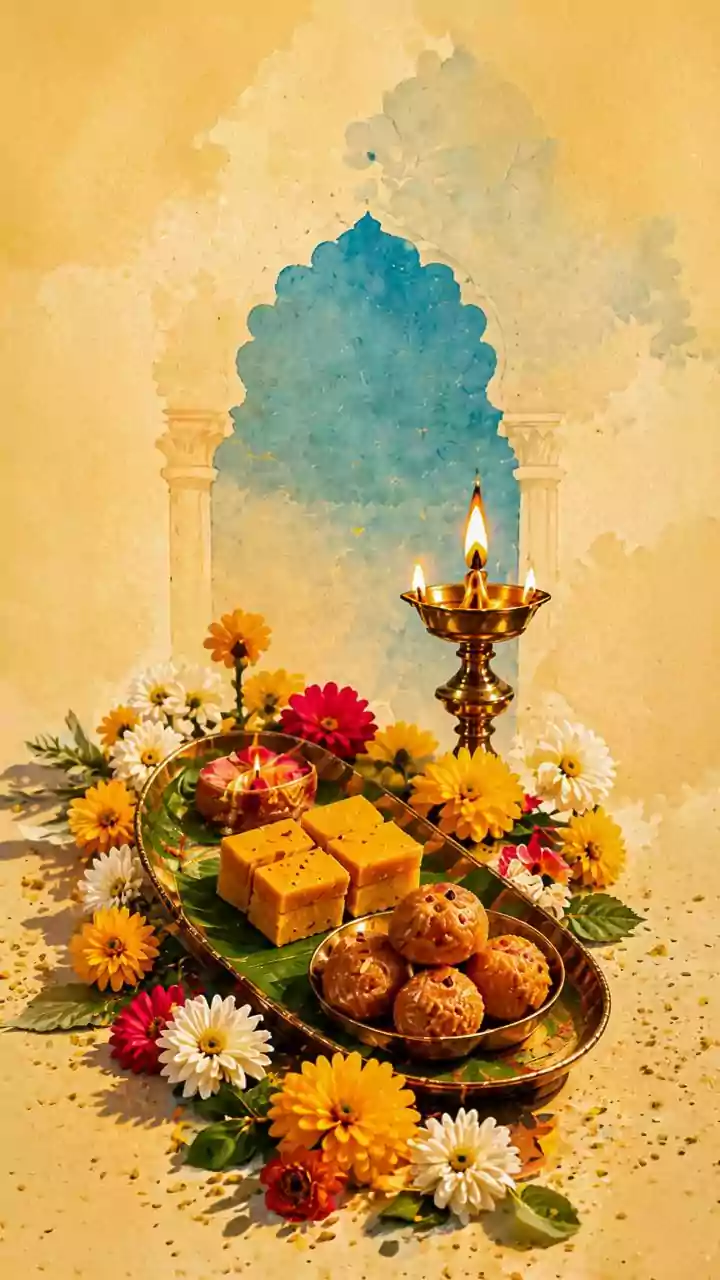
Beyond the nutritional benefits, this trend is deeply rooted in emotion and nostalgia. For many city dwellers living far from their ancestral homes, the aroma of a particular snack frying or the specific taste of a family recipe is a powerful link to their past. These foods evoke cherished memories of childhood, of grandmothers painstakingly preparing 'faral' for Diwali or special treats for other festivals. In a fast-paced, often impersonal urban environment, recreating these snacks is a way to reconnect with one's roots and heritage. It's an act of cultural preservation, a way to pass on traditions to the next generation, and a comforting ritual that makes a house feel like a home during the holidays.
The Rise of the Homepreneur
The demand for authentic, clean, and homemade festive snacks has also sparked a thriving cottage industry. Many talented home cooks have transformed their passion into small businesses, leveraging social media and word-of-mouth to reach customers who lack the time or skill to make these intricate snacks themselves. These 'homepreneurs' offer everything from regional specialities to modern, healthy variations of classic recipes. They fill a crucial gap in the market, providing the goodness of homemade food with the convenience that busy professionals crave. This has not only empowered many individuals financially but has also made a wider variety of regional and traditional snacks accessible to a larger urban audience.
More Than Just Diwali Delights
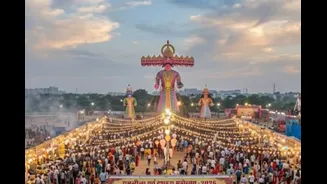
While major festivals like Diwali are the peak season for these snacks, the trend is expanding to encompass all celebrations and even daily snacking. From the crispy, spiral-shaped murukku of the South (also known as chakli in the West) to the sweet, diamond-cut shankarpali of Maharashtra and the savoury mathri of the North, there is a vast repertoire of traditional snacks being revived. These items are increasingly seen not just as festive treats but as wholesome alternatives to packaged chips and biscuits for evening tea or as school snacks for children. This wider adoption signals a more permanent shift in eating habits, where traditional Indian foods are being reintegrated into modern daily life for their taste, health benefits, and cultural significance.