







The Allure of the Quick 'Detox'
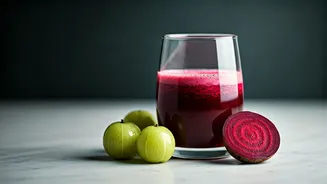
Scroll through social media, and you’ll be bombarded with advertisements for 'detox' products. From vibrant green juices to specially formulated teas, the global detoxification market is a multi-billion dollar industry built on a simple promise: flushing
toxins from your body for renewed health, weight loss, and glowing skin. These fancy detoxes often involve strict, short-term diets consisting of limited foods or liquids. The problem? Most medical experts agree that the concept is largely a myth. Our bodies are already equipped with a highly efficient detoxification system: the liver and kidneys. These organs work around the clock to filter waste and harmful substances. Many commercial detoxes provide little more than a temporary loss of water weight, often with unpleasant side effects, and lack any credible scientific evidence to support their lofty claims.
The Ancient Wisdom of Nirjala Ekadashi
In stark contrast to these modern fads stands Nirjala Ekadashi, an ancient practice rooted in Sanatana Dharma. Observed on the 11th day (Ekadashi) of the two lunar fortnights of a Hindu month, 'Nirjala' translates to 'without water.' It involves complete abstinence from both food and water for a period of approximately 24 hours. But to view it merely as a fast is to miss the point. It is a 'vrat'—a vow taken with intention. For devotees, it is a day of spiritual significance, dedicated to Lord Vishnu, where physical discipline is used as a tool to quiet the senses, focus the mind on the divine, and purify the soul. It is not a quick fix for weight loss but a holistic practice for spiritual and physical cleansing.
The Science of True Cellular Cleansing
While the spiritual goals are paramount, the physical effects of a practice like Nirjala Ekadashi are profound, and modern science is beginning to understand why. When the body is deprived of external calories for an extended period, it triggers a powerful cellular process called autophagy. The term, which comes from the Greek for 'self-eating,' was the subject of a 2016 Nobel Prize. During autophagy, cells begin to clean house, breaking down and removing old, damaged, or dysfunctional proteins and other cellular debris. It's the body's innate recycling system and a genuine detoxification process at the deepest level. A rigorous fast like Nirjala Ekadashi is a potent activator of autophagy, offering a true cellular reset that no expensive juice cleanse can replicate.
Beyond the Physical: Cleansing the Mind
Herein lies the most significant way Nirjala Ekadashi outperforms any commercial detox: its impact extends far beyond the physical. A commercial detox is a passive act; you simply consume a product. An Ekadashi vrat is an active discipline of the will. By willingly abstaining from basic needs like food and water, one cultivates immense mental fortitude and self-control. It is a powerful exercise in detaching from sensory cravings and the mind’s constant chatter. This mental reset helps reduce dependency, increases mindfulness, and fosters a sense of inner peace and clarity. A fancy detox might clean out your wallet, but Nirjala Ekadashi cleanses the mind of its restless dependencies, a benefit that is priceless and long-lasting.
A Holistic System vs. a Quick Fix
Ultimately, the comparison comes down to intention versus industry. Fancy detoxes are commercial products designed to be sold. They offer a simple, transactional solution to a complex desire for wellness, often creating a cycle of dependency. Nirjala Ekadashi, on the other hand, is a holistic system. It is not a product but a practice. Its benefits—physical, mental, and spiritual—are byproducts of a deeper intention (sankalpa). It connects the individual to a rich cultural and spiritual heritage, offering a sense of purpose and continuity. It teaches self-mastery over temporary self-improvement, framing health not just as an absence of toxins, but as a state of integrated balance between body, mind, and spirit.