






A Powerhouse of Fibre
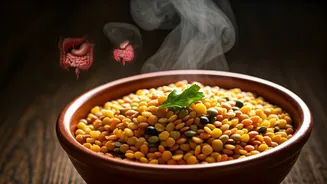
Beyond protein, dal is incredibly rich in dietary fibre. A single serving can provide a significant portion of your daily fibre needs. This fibre is crucial for maintaining a healthy digestive system. It supports regular bowel movements and feeds the
beneficial bacteria in your gut. This gut-friendly action helps improve overall digestive function and can contribute to a stronger immune system. The fibre in lentils includes both soluble and insoluble types; soluble fibre helps you feel full for longer, while insoluble fibre adds bulk and promotes regularity.
Your Heart's Best Friend
Regularly eating dal can have a profound impact on heart health. The generous amounts of fibre, folate, and potassium in lentils work together to protect your cardiovascular system. Soluble fibre helps lower levels of LDL, or 'bad' cholesterol, a key risk factor for heart disease. Furthermore, lentils are a great source of potassium, which helps counteract the effects of sodium and can lead to lower blood pressure. Studies have shown that people who regularly consume legumes like lentils have a reduced risk of cardiovascular and coronary heart disease.
Master of Blood Sugar Control
For those concerned with blood sugar, dal is an exceptional food choice. Lentils have a low glycemic index (GI), which means they release sugar into the bloodstream slowly, preventing sharp spikes in glucose after meals. This is due to their complex carbohydrates and high fibre content, which slow down digestion. Research has shown that replacing starchy foods like rice or potatoes with lentils can significantly lower post-meal blood glucose levels. This makes dal an excellent food for managing and potentially preventing type 2 diabetes.
Packed with Essential Micronutrients
Dal is a nutritional powerhouse loaded with essential vitamins and minerals that are vital for overall health. They are an excellent source of folate, a B-vitamin crucial for red blood cell formation and preventing certain birth defects. Lentils are also rich in iron, which is essential for carrying oxygen in the blood and preventing fatigue and anaemia. Additionally, they provide significant amounts of manganese, which is important for bone health, and other key minerals like magnesium and zinc.
Good for You, and the Planet Too
The benefits of dal extend beyond personal health to the health of the environment. Lentils are a highly sustainable crop. As legumes, they have the unique ability to fix nitrogen from the atmosphere into the soil, which naturally enriches it and reduces the need for synthetic fertilisers. Lentil crops are also drought-resistant and have a low water footprint, requiring significantly less water than many other protein sources. Their production can even be carbon-negative, meaning more carbon is stored in the soil than is emitted during farming.