




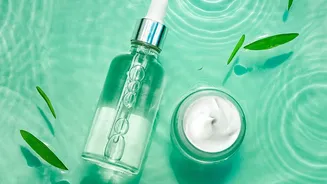
As the temperatures drop, does your skin get tight, flaky, and irritated? Before you add another product to your arsenal, the solution might be simpler than you think. Your complex, multi-step skincare routine could be the problem.
Understanding Your Skin’s First Line of Defense
Think of your skin barrier,
or stratum corneum, as a well-built brick wall. The 'bricks' are your skin cells, and the 'mortar' holding them together is a mix of natural fats like ceramides, cholesterol, and fatty acids. This wall has two crucial jobs: keeping moisture locked in to prevent dehydration and keeping harmful elements like pollutants and irritants out. When this barrier is healthy and intact, your skin feels soft, hydrated, and resilient. But during winter, this protective shield faces a relentless assault that can quickly lead to cracks in its foundation.
The Triple Threat of Winter Weather
Winter wages a three-pronged attack on your skin. First, the cold outdoor air holds significantly less moisture than warm air, creating a low-humidity environment that pulls hydration directly from your skin. This process is called transepidermal water loss (TEWL). Second, we seek refuge indoors with central heating, which further strips humidity from the air, creating an environment just as drying as the outdoors. Finally, the constant shift between frigid air outside and dry heat inside causes blood vessels to rapidly constrict and dilate, weakening the skin over time and leading to increased sensitivity and redness. Even a comforting hot shower can be a foe, stripping away the natural oils that make up your barrier's mortar.
When 'More' Becomes the Enemy
In the quest for perfect skin, many of us have adopted elaborate routines involving multiple active ingredients. While powerful exfoliants like glycolic acid, potent retinoids, and high-concentration vitamin C serums can be beneficial, they become problematic when your skin barrier is already under seasonal stress. These ingredients work by accelerating cell turnover or providing antioxidant benefits, but they can also be irritating. When your barrier is compromised by winter conditions, it's more permeable. Products that your skin tolerated perfectly in the summer may suddenly cause stinging, burning, or redness because they are penetrating deeper and hitting a system with its defenses down.
Signs Your Barrier Is Crying for Help
How do you know if your barrier is compromised? Your skin will send clear signals. The most common signs include persistent tightness and dryness, even right after you moisturize. You might notice new redness, increased sensitivity, and a stinging or burning sensation when applying products that were previously fine. Other telltale signs are a rough, flaky texture, and even unexpected breakouts as the skin's defenses are weakened. If your skin just feels 'angry' and uncomfortable, it's a good bet your barrier needs a break.
The Art of the Winter Skincare Edit
The solution is to adopt a 'skinimalist' approach. This doesn't mean abandoning your skincare entirely, but rather curating a gentle, supportive routine focused on three core pillars: cleansing, moisturizing, and protecting. Start by swapping any foaming or harsh cleansers for a gentle, hydrating cream, oil, or balm formula that doesn't strip your skin of its natural oils. Look for products free of sulfates and fragrances. And always use lukewarm water, as hot water can exacerbate dryness.
Building Back Your Barrier: Key Ingredients
To repair and support your skin, focus on ingredients that replenish what winter takes away. Ceramides are the gold standard, as they make up over 50% of your barrier's natural lipid structure. Hyaluronic acid is a powerful humectant that draws moisture into the skin, while niacinamide (vitamin B3) not only helps the skin produce more of its own ceramides but also calms inflammation. Richer moisturizers containing ingredients like shea butter and squalane can also create a protective seal to prevent moisture loss.
What to Press Pause On (Temporarily)
Simplifying your routine also means knowing what to take out. This is the time to temporarily reduce the frequency of strong active ingredients. Consider pausing high-strength retinoids and exfoliating acids (like glycolic and salicylic acid) until your skin feels calm and comfortable again. If you love to exfoliate, switch from a physical scrub to a very gentle chemical exfoliant, like lactic acid, and limit its use to once a week at most. The goal is to eliminate any potential sources of irritation while your barrier heals.