


The Foundation: Perfect Potatoes
Every great batata vada begins with the right potato, cooked correctly. The goal is a filling that is fluffy and flavourful, not dense or watery. It's best to use potatoes that are starchy rather than waxy. Boil them until they are fork-tender but not falling
apart. A crucial step is to ensure they are relatively dry; after boiling, peel and let them cool completely, allowing excess moisture to evaporate. Mashing them while they are still hot can result in a gluey texture. A rough mash is better than a smooth puree, as the uneven texture gives the vada character and helps it hold the spices. Getting this foundation right ensures your vada has the perfect canvas for the layers of flavour to come.
Building the Aromatic Base
The soul of a spicy vada comes from its aromatics, primarily a paste of ginger, garlic, and green chillies. This trio forms the first layer of flavour and heat. For a classic taste, these are often ground or minced into a coarse paste. The ratio is a matter of personal preference, but a generous amount of each is key for a punchy vada. Don't be shy with the garlic; its pungent flavour is a hallmark of the street-style original. The green chillies provide a fresh, sharp heat. The quantity and type of chilli you use will be the first dial you turn to control the spice level. This aromatic paste is typically sautéed in oil to cook off its raw edge before being mixed with the potatoes.
The Tadka: A Symphony of Spices
The 'tadka', or tempering, is where the magic happens. This is the step that infuses the entire potato mixture with aromatic warmth. Typically, you start by heating a small amount of neutral oil. Once hot, add mustard seeds and wait for them to pop and crackle. This is followed by a pinch of asafoetida (hing) and a sprig of fresh curry leaves, which sizzle and release their incredible fragrance. Finally, turmeric powder is added, not just for its earthy flavour but also for the iconic golden-yellow hue it imparts to the potato filling. This entire fragrant mixture is then poured over the mashed potatoes, coating them in a layer of deeply aromatic spices.
Turning Up the Heat
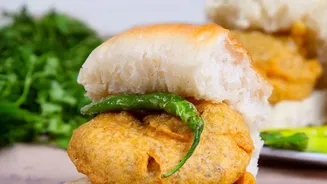
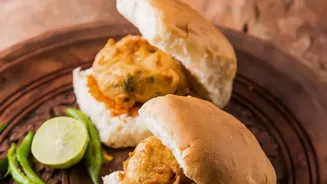
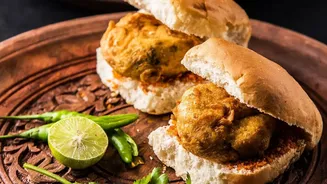
For a truly spicy vada, you need to layer your heat sources. The fresh green chillies in the base paste provide an initial kick, but for a deeper, more lingering spice, many recipes also include red chilli powder. This can be added during the tadka stage along with the turmeric. Some vendors and home cooks also use a combination of different chilli types. For instance, using a milder green chilli for flavour and adding a pinch of a hotter red chilli powder for intensity gives you more control. For the ultimate spicy experience, serve the finished vada pav with a fried green chilli on the side, a common practice on the streets of Mumbai. Just remember to slit the chilli before frying to prevent it from bursting in the hot oil.
From Classic to Creative Variations
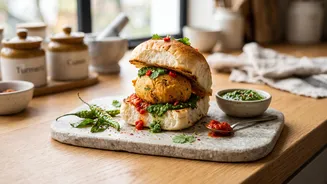
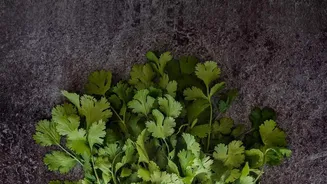
Once you've mastered the classic spicy vada, the door opens to endless variations. The headline promises a starting point, and here's where you can start experimenting. For a tangy twist, a squeeze of fresh lemon juice into the finished potato mixture can brighten all the flavours. Freshly chopped coriander leaves are almost always added at the end for a burst of freshness that cuts through the richness. For textural contrast, some recipes suggest adding roasted and coarsely crushed peanuts or even cashews. For a hint of sweetness and a different texture, you can add finely chopped onions to the mix. Some even add other spices like cumin or coriander powder to the tadka for a more complex flavour profile.