






The Myth of the 'Do Nothing' Day
For years, the fitness mantra was simple: train hard, then rest completely. A rest day meant giving your body a total break. The idea was that inactivity allowed muscles to repair and rebuild, preparing you for your next intense session. While rest is
non-negotiable for muscle growth and injury prevention, the definition of 'rest' is shifting. The new school of thought argues that being completely sedentary might not be the most efficient way to bounce back. Instead of helping, a full stop can sometimes lead to increased stiffness and a slower clearing of the metabolic waste products that build up during exercise.
What Is Active Recovery?
Active recovery is the practice of engaging in low-intensity exercise after a strenuous workout or on a designated rest day. The goal isn't to burn calories or build more muscle, but to help your body repair itself more effectively. Unlike passive recovery (complete rest), active recovery involves gentle movement that keeps the blood flowing without putting significant strain on your recovering muscles and joints. Think of it as a way to send help to your sore muscles. Activities are typically performed at a low intensity, keeping your heart rate at around 30-60% of its maximum. The session should feel restorative, leaving you feeling more refreshed than when you started.
The Science of Moving to Recover
The benefits of active recovery are backed by science. Gentle movement boosts blood circulation, which is crucial for the recovery process. This increased blood flow delivers more oxygen and nutrients to your muscle tissues, accelerating repair. It also helps to more efficiently flush out metabolic byproducts, like lactate, which can contribute to muscle soreness and stiffness. Studies have shown that active recovery can be more effective at clearing lactate from the blood than passive rest. By promoting these natural repair processes, you can reduce the severity of delayed-onset muscle soreness (DOMS), feel less stiff, and be better prepared for your next workout.
Top Active Recovery Trends
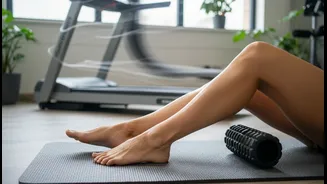
So, what does an active recovery day look like in practice? It's all about low-impact, low-intensity movement. One of the most popular trends is mobility work. These are dynamic stretches and movements like cat-cows, hip circles, and spinal rotations that take your joints through their full range of motion, improving joint health without adding stress. Foam rolling, a form of self-massage, is another go-to. By applying pressure to tight spots, you can release muscle knots, reduce soreness, and improve flexibility. Other highly effective options include light cardiovascular activities like walking, gentle cycling, or swimming, which increase circulation without pounding the joints. A gentle yoga or Pilates class also fits perfectly, combining stretching, mobility, and light strength work to aid recovery.
How to Plan Your Active Rest Day
Integrating active recovery into your routine is straightforward. First, listen to your body. If you're feeling exhausted or in significant pain, a day of complete rest might be what you need. However, for general soreness and fatigue, an active session is ideal. Plan for 20 to 45 minutes of gentle activity. Choose something you enjoy, whether it's a brisk walk in the park, a relaxed swim, or a guided mobility flow online. The key is to keep the intensity low. You should be able to hold a conversation easily during the activity. The goal is to finish feeling energised and loose, not drained. Don't track metrics or push for performance; this is about feeling good and supporting your body's long-term health and fitness goals.