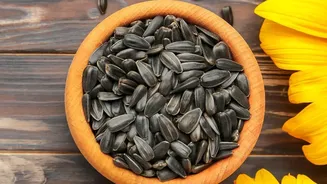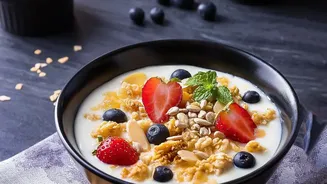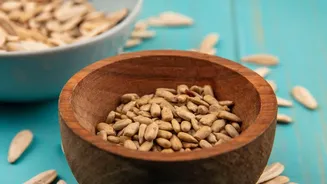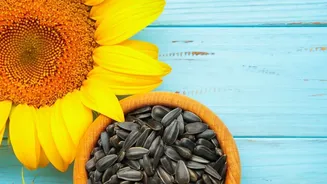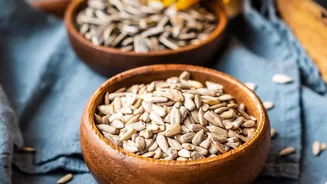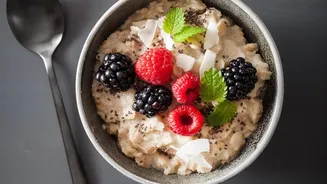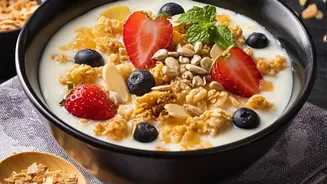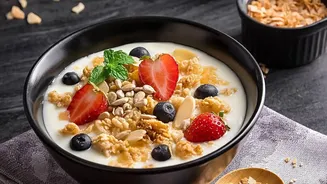



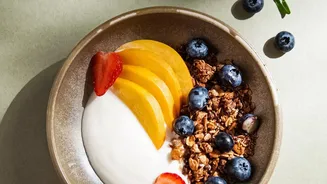
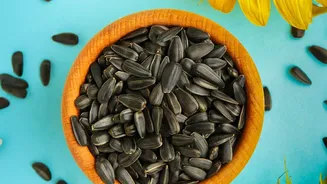
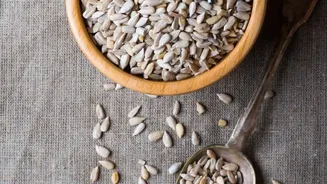
Sprinkling seeds on your morning oatmeal or yoghurt has become a go-to move for a healthy start. Among the most popular are sunflower seeds, loved for their satisfying crunch and nutty flavour. But what are you really getting in that handful?
The Power in the crunch
Don't underestimate
these tiny kernels. Sunflower seeds are packed with nutrients that support overall well-being. They are an excellent source of vitamin E, a powerful antioxidant that helps protect your body's cells from damage. They also deliver healthy fats, specifically polyunsaturated and monounsaturated fats, which are beneficial for heart health. Studies have linked the consumption of seeds, including sunflower seeds, to lower rates of cardiovascular disease and high blood pressure. Beyond fats and vitamins, they provide essential minerals like magnesium, which plays a role in over 300 bodily functions including blood pressure regulation, and selenium, another potent antioxidant that helps reduce inflammation. Adding to that, they offer a good dose of plant-based protein and fibre, which help keep you feeling full and energised through the morning.
Why They Are Not a 'Cure'
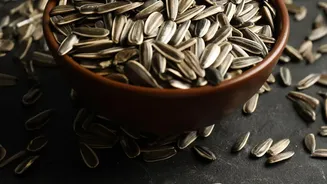
While the nutrients in sunflower seeds are certainly beneficial for your heart, it's crucial to understand that no single food can act as a cure for heart disease. A healthy heart depends on your entire diet and lifestyle, not just one ingredient. The term 'superfood' can be misleading, suggesting a magical solution when balanced nutrition is what truly matters. Furthermore, how you consume them makes a big difference. Many popular sunflower seeds are roasted and heavily salted. A high-sodium diet is a major risk factor for high blood pressure, which can strain your heart. Sucking on salted shells before cracking them can add a surprising amount of sodium to your intake.
The Importance of Portion Size
More is not always better, especially when it comes to calorie-dense foods like sunflower seeds. While they are full of nutrients, they are also high in calories. A standard serving is typically around one ounce (about 28-30 grams or a small handful), which contains roughly 175 calories. Eating multiple servings in one sitting can quickly lead to excess calorie intake and potential weight gain over time, which is another risk factor for heart problems. Sticking to a sensible portion allows you to reap the nutritional benefits without overdoing it. Eating them as part of a meal, rather than mindlessly snacking from a large bag, can help with portion control.
Smart Ways to Start Your Day
Incorporating sunflower seeds into your breakfast is easy and delicious when done thoughtfully. For the biggest health advantage, opt for raw or dry-roasted, unsalted seeds to avoid excess sodium and preserve nutrients. Roasting can diminish some of the vitamins and healthy fats. Sprinkle a tablespoon over your porridge, cold cereal, or yoghurt for added texture and nutrition. You can also blend them into smoothies for a creamy, protein-rich boost or even stir them into scrambled eggs. They pair well with both sweet and savoury morning meals, making them a versatile pantry staple for anyone looking to add a nutritious crunch to their diet without relying on them as a single solution for health.