



The Crimson Charm of Buransh
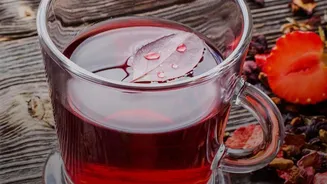
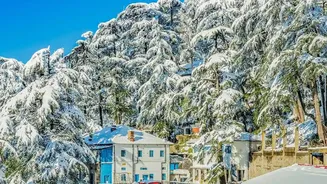
In the hills of Uttarakhand and Himachal Pradesh, the arrival of spring is marked by the spectacular bloom of the Buransh tree, or Rhododendron arboreum. Its vibrant, bell-shaped red flowers are not just a feast for the eyes but also the main ingredient
in a cherished local drink. The petals are handpicked and often sun-dried to be used throughout the year. When steeped in hot water, they release a beautiful crimson hue and a unique flavour profile that is slightly sweet, tangy, and floral. Traditionally consumed without milk, Buransh tea is appreciated for its refreshing taste and health benefits. Local communities have long used it as a remedy for inflammation, to support heart health by improving circulation, and to combat fatigue. A touch of honey or jaggery can be added to balance its subtle tartness, making it a soothing drink for any time of day.
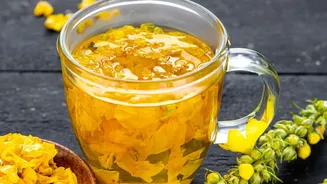
The Tangy Gold of Sea Buckthorn
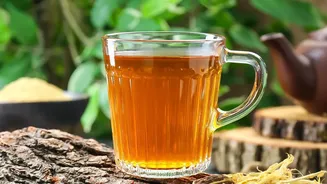
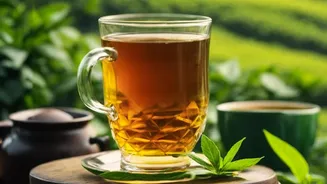
Known as the 'Leh Berry' or 'Divine Fruit', Sea Buckthorn is a hardy shrub that thrives in the cold, high-altitude desert of Ladakh. Its bright orange berries are a nutritional powerhouse, famously packed with over 190 bioactive compounds, including an exceptionally high concentration of Vitamin C—many times more than an orange. For centuries, Tibetan monks and Himalayan communities have brewed tea from its leaves and berries. The resulting infusion is a zesty, tangy, and vibrant orange drink with a robust flavour. This brew is traditionally valued for its ability to boost immunity, a crucial benefit in the harsh mountain climate. It is also used to aid digestion, reduce inflammation, and support cardiovascular health. The absence of milk is key, as dairy would clash with the berry's natural acidity. Instead, this golden brew is enjoyed clear, sometimes sweetened with a little local honey, serving as a warming and revitalizing tonic.
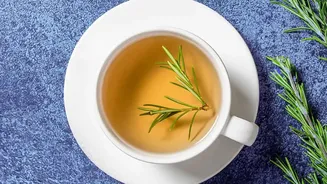
The Grounding Earthiness of Himalayan Nettle
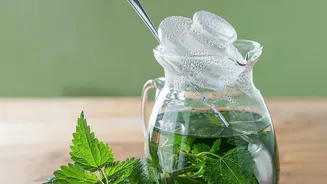
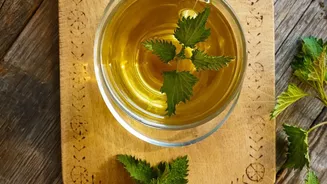
Stinging nettle, known locally as 'Sisnu' or 'Bichhu Ghas', might seem like an unlikely candidate for a soothing tea. Anyone who has brushed against the fresh plant knows its memorable sting. However, once the leaves are carefully harvested and dried, the sting is neutralized, and they can be steeped to create a deeply nourishing and earthy brew. Found across the Himalayas, this hardy plant is an important part of local diets and traditional medicine. Nettle tea has a mild, green, and slightly spinach-like flavour—a grounding taste of the mountain soil. It's naturally caffeine-free and rich in minerals like iron and calcium. In Himalayan tradition, it is used as a detoxifying tonic, a blood purifier, and a remedy for joint pain and arthritis. Its gentle, restorative nature makes it a popular evening drink, enjoyed plain to appreciate its simple, wholesome character.
A Tradition Steeped in Nature
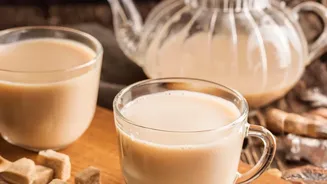
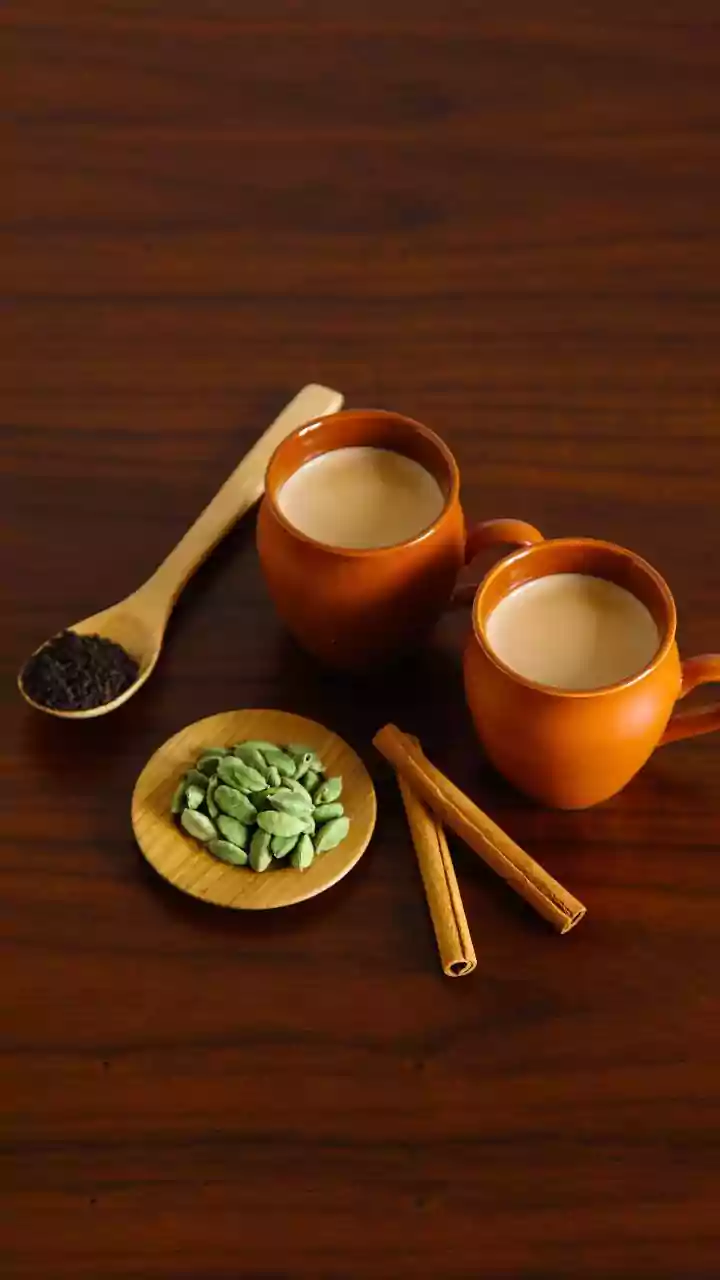
The common thread among these Himalayan brews is their simplicity and direct connection to the local ecosystem. Unlike masala chai, where milk and sugar often form the base, these herbal infusions are designed to showcase the delicate and complex flavours of the plants themselves. Adding milk would not only be culturally incongruous but would also often curdle due to the natural acidity of ingredients like sea buckthorn, or mask the subtle floral and earthy notes of Buransh and nettle. The practice of drinking these clear infusions reflects a philosophy of using what the land provides in its purest form. They are beverages of wellness, heritage, and place, offering a taste of the mountains in every sip. Foraging and preparing these herbs is a tradition passed down through generations, embodying a sustainable relationship with nature that has endured for centuries.