



More Than Skin Deep
Ayurveda, India's ancient system of holistic medicine, views beauty as an outward reflection of inner health. It's not just about what you put on your skin, but how you nourish your body and mind through diet, lifestyle, and even stress management. Central
to this philosophy are the three 'doshas'—Vata, Pitta, and Kapha—which are fundamental energies believed to govern our physical and mental characteristics. In skincare, Vata skin is typically dry, Pitta is sensitive and reactive, and Kapha tends to be oily. While this framework is traditional rather than a clinical diagnosis, it provides a personalised lens for understanding your skin's unique tendencies.
The Golden Spice: Turmeric
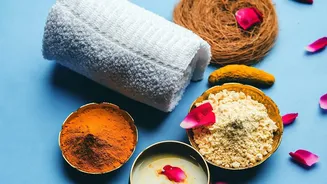
No discussion of Ayurvedic beauty is complete without turmeric. For centuries, this golden spice has been a staple in pre-wedding rituals like the 'haldi' ceremony to give brides a radiant glow. The primary active compound in turmeric is curcumin, which modern research shows has anti-inflammatory and antioxidant properties. This is why it's traditionally used to soothe skin, address uneven tone, and combat breakouts. However, it's important to separate myth from reality. While turmeric can help skin look brighter by promoting an even complexion, it does not lighten or change your natural skin tone. Furthermore, the effectiveness of DIY turmeric masks can vary, and in some cases, cause staining or irritation.
Sandalwood & Saffron: Royal Elixirs
Sandalwood and saffron are two of the most luxurious ingredients in the Ayurvedic apothecary. Sandalwood is prized for its cooling and calming properties, making it ideal for soothing sensitive or irritated skin. Traditionally, it has been used to help reduce the appearance of pigmentation and improve skin texture. Saffron, often called 'red gold', is another key ingredient famed for its use in 'Kumkumadi Tailam', a legendary beauty oil. Ancient texts and modern formulations use it to enhance radiance and promote a glowing complexion. While potent, saffron is a photosensitive ingredient, so oils containing it are best used at night.
Neem: The Village Pharmacy
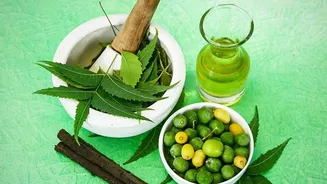
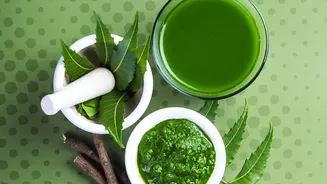
Referred to as the 'village pharmacy' in India, the neem tree is revered for its powerful purifying properties. Every part of the tree has been used in traditional remedies for centuries. In skincare, neem is best known for its antibacterial and antifungal qualities. This makes it a go-to ingredient for managing acne-prone and oily skin, as it can help purify the skin and regulate oil production. Modern studies have found that neem extracts show activity against the bacteria most associated with acne. This validates its long-standing use in face packs and cleansers for troubled skin.
The Ritual of Ubtan and Abhyanga
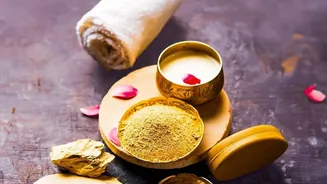
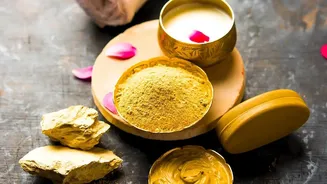
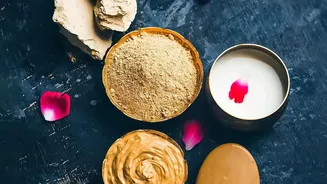
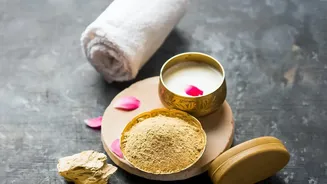
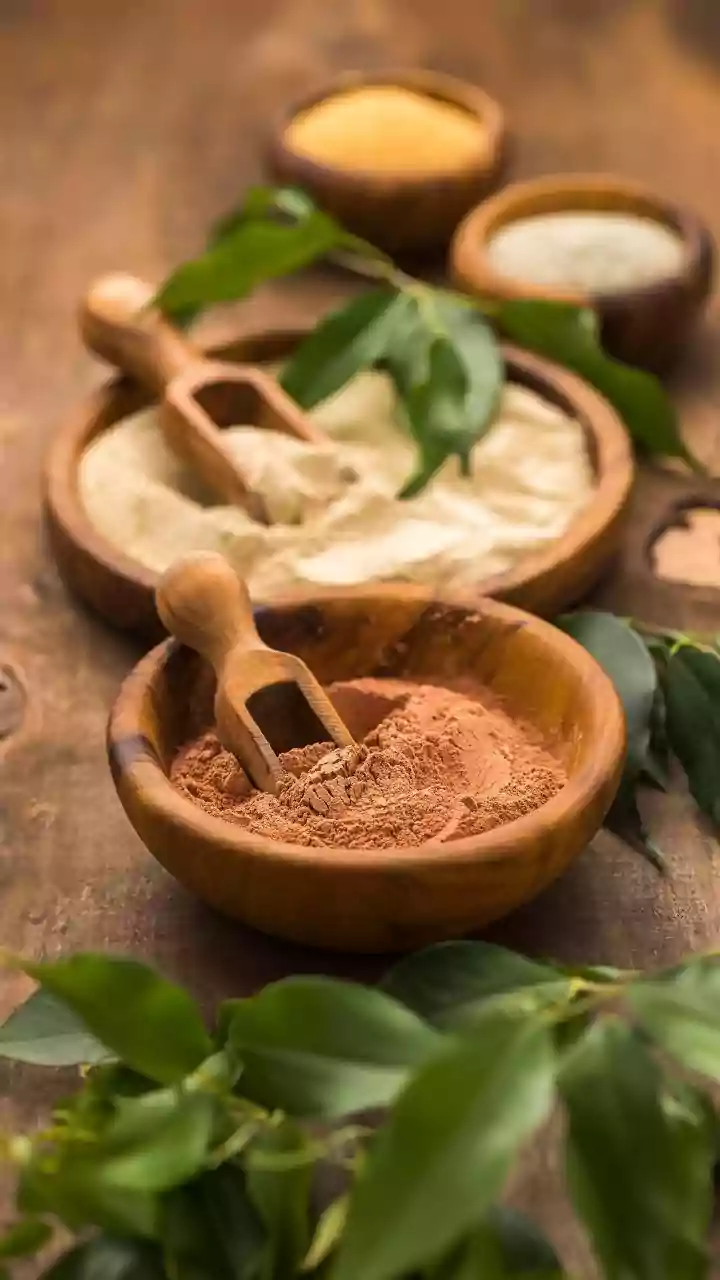
Ayurveda is as much about ritual as it is about ingredients. 'Ubtan' is a classic example. It's a traditional cleansing powder made from a blend of herbs, grains like chickpea flour, and spices like turmeric. Used as a gentle scrub, it exfoliates dead skin cells, cleanses without stripping natural oils, and leaves skin feeling soft and refreshed. Another core practice is 'Abhyanga', or self-massage with warm oil. This ritual is believed to improve circulation, nourish the skin, and calm the nervous system. It embodies the Ayurvedic principle that self-care is a vital, mindful practice for holistic well-being.