

A Localized but Devastating Disaster
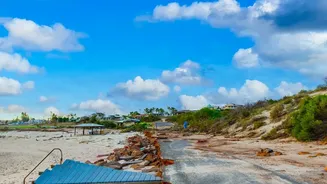
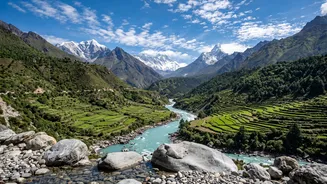
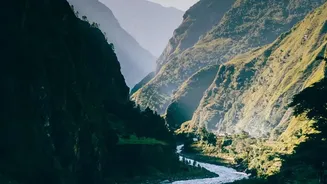
On August 26, a catastrophic flash flood, believed to have been triggered by a high-altitude glacier collapse near the Nepal-China border, tore through the Bhote Koshi and Trishuli river corridors. This was not a nationwide event. The disaster was primarily
concentrated in the northern districts of Rasuwa, Nuwakot, and Dhading, causing immense damage to roads, bridges, and hydropower projects. Tragically, the event has led to a significant loss of life, with hundreds of locals and tourists reported dead or missing. Authorities have declared the affected areas as disaster crisis zones and are conducting extensive search and rescue operations. The Nepal Tourism Board is working to verify the status of all tourists in the region and has set up an information desk to share updates.
Are Major Tourist Hubs and Treks Affected?
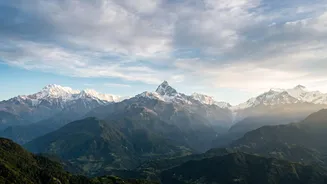
For many international travelers, the key question is whether popular destinations are safe. The answer is largely yes, with some critical exceptions. Major tourism hubs like Kathmandu and Pokhara, as well as Chitwan National Park, were not directly impacted by the flooding and remain fully operational. Tribhuvan International Airport in Kathmandu continues to operate normally for both domestic and international flights. Critically, the world-renowned Everest and Annapurna trekking regions were entirely unaffected. These areas are on different river systems and have seen zero impact from this specific disaster. In fact, the trekking route to Annapurna Base Camp, which had seen some monsoon-related closures, has recently reopened.
The Langtang Exception and Road Closures
The major exception is the Langtang trekking region. While the trekking trails and villages in the Langtang Valley itself were not directly hit by the flood's main force, the primary road access to the trailhead at Syabrubesi has been destroyed. This makes travel to the Langtang region extremely difficult, if not impossible, for the time being. Authorities are advising travelers to postpone trips to northern Rasuwa, which includes the Langtang treks and the Gosaikunda lakes. Furthermore, the disaster has caused significant disruption to overland travel. Key sections of the Prithvi Highway, the main artery connecting Kathmandu to Pokhara and Chitwan, have been closed or damaged due to erosion from the swollen Trishuli River and related landslides. This means that while Pokhara is safe, getting there by road currently involves major disruptions and detours.
Advice for Travelers Planning a Trip
Given the complex situation, caution and flexibility are paramount. The consensus from local operators and international advisories is clear: travel to many parts of Nepal is still possible, but it requires careful planning. Anyone with upcoming travel plans should immediately contact their airline and tour operator to confirm itineraries. It is crucial to monitor updates from official sources like the Nepal Tourism Board and your country's foreign travel advisories. Treks in the Everest and Annapurna regions are proceeding, but getting to the trailheads may require adjustments. For those considering a trip, booking through a reputable, registered trekking agency is more important than ever. These agencies have on-the-ground knowledge and can navigate logistical challenges, arrange mandatory guides, and ensure your itinerary remains safe and viable.