







The Great Label Letdown
Walk down any supermarket aisle in India, and you're met with a dazzling array of packaged snacks, from baked chips to namkeen mixtures. The fronts of these packs are a masterclass in marketing, shouting promises of “High Protein,” “All Natural,” or “No
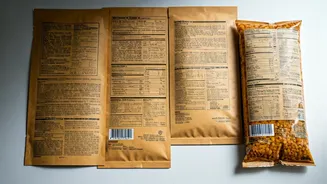
Added Sugar.” But for a growing number of consumers, these claims feel hollow. The real story, they are discovering, is on the back of the pack, written in tiny font and filled with confusing jargon. Most shoppers admit to checking only the expiry date, while the crucial nutrition panel and ingredient list remain ignored, partly because they are too technical to understand. This disconnect between front-of-pack promises and back-of-pack reality has created a significant trust deficit. Consumers are tired of feeling misled and are beginning to demand transparency.
Decoding The 'Hidden' Ingredients
The problem isn't just about confusing words; it's about what those words hide. Sugar, for example, rarely appears just as 'sugar'. It lurks under dozens of aliases like maltodextrin, high-fructose corn syrup, liquid glucose, or dextrose. These are often found in products you wouldn't expect, including savoury snacks like namkeens, ready-to-eat upma mixes, and even some breads. Similarly, a 'baked, not fried' snack might still be high in unhealthy fats, and a 'multigrain' product may contain mostly refined flour (maida) with only a token amount of whole grains. Ingredients are always listed in descending order by weight, so if sugar or maida are among the first three items, that's what the product is mostly made of, regardless of the claims on the front.
FSSAI and the Push for Clarity
The good news is that regulators are taking notice. The Food Safety and Standards Authority of India (FSSAI) has been cracking down on misleading claims. Recently, it has issued notices to companies for using terms like “100% Atta” or “zero maida” without sufficient justification. There is also a major push for Front-of-Pack Labelling (FOPL), a system that would use simple, visual cues—like warning labels—to highlight products high in salt, sugar, and fat. This move, supported by the Supreme Court, aims to empower consumers to make healthier choices at a glance, much like systems already used in countries like Chile. While industry pushback and debate over the format have caused delays, the pressure for mandatory and clear FOPL is building.
The Rise of 'Clean Label'
In response to consumer demand for honesty, a new trend is taking hold: the 'clean label' movement. A clean label product is generally understood to have a short, simple ingredient list with items you can easily recognise—think kitchen-cupboard ingredients rather than laboratory-made additives. It signifies a move away from artificial preservatives, flavours, and colours. Though 'clean label' is not a legally defined term in India, it represents a powerful consumer sentiment for transparency and minimal processing. Brands that embrace this philosophy, focusing on radical honesty about what's inside their products, are finding a loyal audience. This shift shows that Indian consumers are not just buying a snack; they're buying trust.
How to Become a Confident Label Reader
You don't need to be a nutritionist to make informed choices. Start with these simple habits: First, always flip the pack and read the ingredient list before believing the front-of-pack claim. Remember the rule of descending order: the first three ingredients matter most. Second, learn to spot hidden sugars by looking for words ending in '-ose' (like glucose, fructose) and terms like 'syrup' or 'concentrate'. Third, pay attention to the serving size. The nutritional information is often based on a small serving, but you may consume the entire packet, thereby doubling or tripling your intake of calories, salt, and sugar. Finally, look for the FSSAI logo and license number, which is a mandatory mark of compliance with food safety regulations.