


The Problem with 'Just a Little Extra'
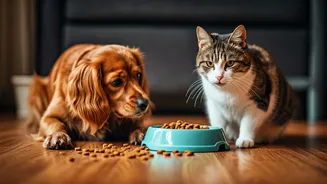
One of the most frequent issues vets encounter is pet obesity. More than half of all dogs and cats in U.S. are considered overweight. That extra pudge, often a result of 'killing them with kindness' through table scraps and too many treats, isn't cute—it's
dangerous. Overfeeding, whether by refilling the bowl whenever it's empty or providing high-calorie human food, dramatically increases the risk of serious health problems. These include diabetes, arthritis, heart and kidney disease, and even certain types of cancer, which can shorten a pet's life. Vets recommend following the feeding guidelines on pet food packages and consulting them to create a diet plan tailored to your pet's specific age, breed, and lifestyle.
Ignoring What's Happening in Their Mouth
Many owners assume bad breath is just a normal part of having a pet, but vets flag this as a major oversight. Neglecting dental care is a widespread mistake. Plaque and tartar buildup can lead to periodontal disease, a painful condition that can cause tooth loss, abscesses, and infections. These oral health issues don't just stay in the mouth; the associated bacteria can enter the bloodstream and potentially damage the heart, liver, and kidneys. While dry food can help, it's often not enough. Vets stress the importance of regular dental check-ups and professional cleanings, alongside at-home care like brushing your pet's teeth.
Skipping the 'Well Pet' Visit
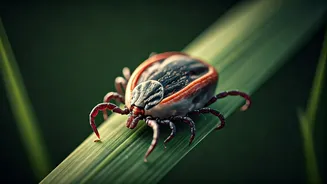
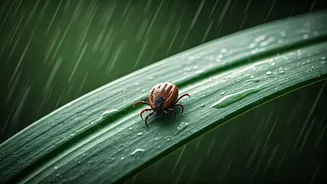
A common sentiment vets hear is, "My pet seems healthy, so why go to the vet?" This is a risky assumption. Skipping annual wellness exams is a mistake because pets are masters at hiding signs of illness until a problem has become severe. Regular check-ups are crucial for early detection of diseases, which can save your pet from suffering and save you from expensive emergency care down the line. These visits establish a baseline of what's normal for your pet, making it easier to spot changes. It's also the perfect opportunity to ensure they are up-to-date on vital vaccinations and parasite prevention, which protect against common and preventable diseases.
Misinterpreting 'Bad' Behaviour
When a dog chews furniture or a cat starts urinating outside the litter box, it’s easy to label it as 'bad behaviour'. However, vets wish owners knew that sudden changes in behaviour are often red flags for underlying medical or emotional issues. Destructive chewing might stem from a lack of mental stimulation, while litter box problems can signal stress or serious health conditions like a urinary tract infection. Punishing a pet for these actions is ineffective and can damage your relationship; instead, a vet visit is needed to rule out or identify a medical cause. Often, the 'bad' behaviour is simply your pet's only way of telling you something is wrong.
Underestimating the Need for Enrichment
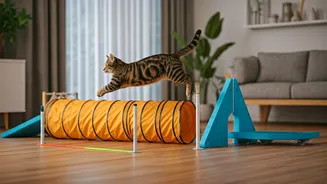
Physical exercise like daily walks is important, but vets are flagging a lack of mental stimulation as a common problem. A bored pet is often an unhappy and destructive one. All animals, even those that seem lazy, require environmental enrichment to stay mentally fit. This can include puzzle feeders, interactive toys, scent games, or regular playtime with their owner. For puppies and kittens, early socialization is also a critical form of enrichment that many owners neglect. Properly exposing young animals to new sights, sounds, and other pets helps prevent fear and aggression later in life.
Forgetting the Finishing Touches: Nails and Grooming
Grooming isn't just about looking good; it's essential for comfort and health. One of the most overlooked aspects is nail care.Chronically overgrown nails are painful, can grow into the footpad, and alter a dog's posture, potentially leading to arthritis. While some cats manage their own nails, many dogs require regular trims. Similarly, matted fur isn't just unsightly—it's painful and prevents proper air circulation, which can lead to skin infections. Vets advise against trying to cut out severe mats yourself, as it’s very easy to cut the skin. Regular grooming is a key part of responsible pet ownership.