





The Old Guard: A Defensive Duty
For decades, the full-back's job description was brutally simple. Positioned on the flanks of the defence, their primary task was to nullify the opposing winger. They were defenders, first and foremost. Think of icons like England's Gary Neville or Italy's
Paolo Maldini in his early years; their value was measured in tackles won, crosses blocked, and defensive discipline. They were reliable, solid, and essential, but rarely were they the players who set pulses racing. Their contribution was one of prevention, not creation. The most praise a full-back could hope for was often to be described as 'dependable'. The idea of them dictating the flow of a game was, for the most part, unthinkable.
The Brazilian Wave of Attack
The first cracks in this defensive mould appeared, unsurprisingly, from Brazil. The duo of Cafu (on the right) and Roberto Carlos (on the left) redefined what was possible from the position in the late 1990s and 2000s. They weren't just defenders who occasionally supported the attack; they were attacking forces in their own right. With blistering pace and incredible stamina, they bombed up and down the flanks, delivering goals and assists. Roberto Carlos’s thunderous free-kicks and Cafu’s relentless overlapping runs became legendary. They showed the world that a full-back could be a primary attacking weapon, stretching opposition defences and providing an outlet that was almost impossible to mark. They laid the groundwork for the modern attacking full-back.
The Guardiola Effect: Inverting the Role
The next great leap was an intellectual one, masterminded by Pep Guardiola. While at Bayern Munich, Guardiola began instructing his full-backs, Philipp Lahm and David Alaba, to do something radical. Instead of staying wide, he asked them to drift inside into the central midfield area when their team had possession. This was the birth of the 'inverted full-back'. The logic was genius. It created a numerical advantage in the middle of the pitch, allowing the team to control possession more easily. It also provided better passing angles to break down defensive blocks and offered a new layer of protection against counter-attacks, as the full-back was already in a central position to win the ball back. This tactical innovation turned the full-back from a wide player into a central playmaker.
Klopp’s Wide Playmakers
While Guardiola focused on central control, Jürgen Klopp’s Liverpool offered a different but equally revolutionary model. His system was built around the creative output of his full-backs, Trent Alexander-Arnold and Andy Robertson. Instead of moving inside, they stayed wide but were given the freedom and responsibility of being the team’s primary creators. With midfielders providing a solid, hard-working base, Alexander-Arnold and Robertson were tasked with delivering the final ball. Alexander-Arnold’s crossing ability, in particular, was so extraordinary that he was essentially a deep-lying playmaker operating from the right-back position. In the 2019-20 Premier League season, the pair recorded a staggering 25 assists between them, numbers previously reserved for elite attacking midfielders.
The Modern Hybrid Player
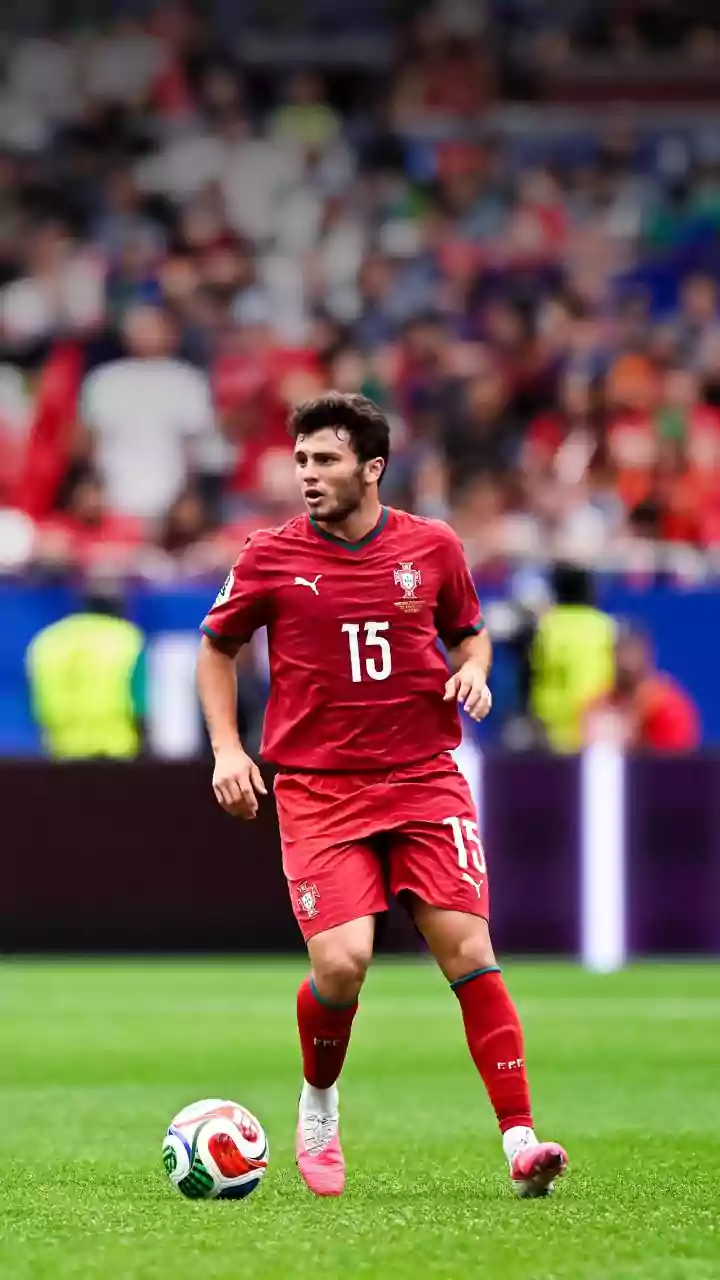
Today, the full-back is arguably the most tactically complex position on the pitch. The best in the world are hybrids, expected to perform multiple roles within a single match. They must be elite one-on-one defenders, fast wingers, and intelligent central midfielders. Players like Manchester City’s João Cancelo and Arsenal's Oleksandr Zinchenko (both coached by Guardiola) epitomise this. They might start a move as a traditional left-back, drift into midfield to build play, and then pop up on the edge of the opposition box to shoot or provide a killer pass. They are a testament to how far the position has evolved. No longer just a defensive cog, the full-back is now a queen on the football chessboard—powerful, versatile, and able to move in any direction to influence the game.