




The Unseen Toll of a Blacktop Ribbon
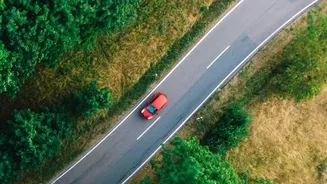
In India, a burgeoning network of roads is celebrated as a sign of progress, connecting remote areas and fueling economic growth. Yet, this rapid expansion often comes at a silent, staggering cost to the nation's rich biodiversity. Roads that cut through
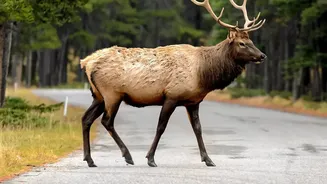
forests and traditional animal corridors are a primary cause of habitat fragmentation. They act as linear barriers, isolating animal populations and preventing them from accessing food, water, and mates. This isolation can lead to a decline in genetic diversity, making populations more vulnerable. For wide-ranging species like tigers and elephants, these divisions are catastrophic. Furthermore, these roads become death traps. Thousands of animals, from small reptiles to magnificent tigers, are killed in collisions with vehicles every year, a stark reminder of the conflict between human infrastructure and the natural world.
Development vs. Conservation: A False Dichotomy
The conversation is too often framed as a binary choice: development or conservation. We need roads, but we also need healthy ecosystems. The truth is that poorly planned infrastructure is not just bad for wildlife; it's bad for us. Forests and wetlands, often the first casualties of a new road project, are crucial for ecological balance, providing clean air and water. When we destroy them, we undermine our own long-term security. The key is not to halt development, but to integrate ecological wisdom into our planning from the very beginning. The National Board for Wildlife has itself acknowledged that unless carefully managed, roads provide pathways for illegal logging, poaching, and increased human disturbance in sensitive areas. The goal should be to build smarter, not just faster.
Designing with Nature in Mind
Fortunately, solutions exist and are being implemented, albeit slowly. The concept of 'green infrastructure' is gaining traction. Wildlife underpasses and overpasses are proving effective at providing safe passage for animals across busy highways. Recent studies of the Delhi-Dehradun Expressway, which incorporates one of Asia's largest elevated wildlife corridors, have shown promising early results, with cameras capturing 18 different wild species using the underpasses shortly after construction. These engineering solutions, from simple culverts for smaller animals to expansive flyovers for elephant herds, demonstrate that we can mitigate the impact of roads. The success of these projects hinges on scientific input from wildlife biologists to ensure they are built in the right places to be effective. They represent a crucial shift from seeing nature as an obstacle to viewing it as a stakeholder in development.
The Responsibility of the Visitor
Infrastructure is only one part of the equation. The mindset of the visitor plays an equally important role. The rise of wildlife tourism, while beneficial for generating conservation funds and local livelihoods, can also place immense stress on ecosystems if not managed properly. Excessive vehicle traffic, noise pollution, and improper waste disposal all degrade the very habitats tourists come to admire. As visitors to these fragile areas, we have a responsibility to be mindful guests. This means adhering to park rules, maintaining a safe distance from wildlife, opposing the feeding of animals, and choosing responsible tour operators. The demand for ethical, low-impact tourism can be a powerful force for change, encouraging practices that prioritize the well-being of the habitat over the convenience of the visitor.