




The thrill of a road trip can quickly fade when you hit a wall of traffic at a highway toll plaza. But what if the secret to a smoother journey isn't a different route, but a different time? Here’s why a simple schedule change makes all the difference.
The Anatomy of a Toll Plaza Jam
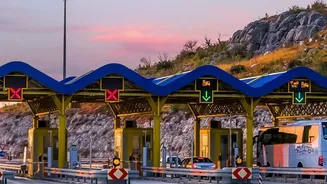
Every driver knows the feeling: you’re cruising along the highway, and then, brake lights appear ahead. The culprit is often a toll plaza, where multiple lanes of traffic must funnel into a few collection points. Even with the widespread adoption of FASTag, sheer volume during peak travel times can overwhelm the system. These bottlenecks are most common during festive holidays, long weekends, and the morning and evening rush hours when commuter and commercial traffic converge. Studies show that traffic on arterial roads can stay heavy for extended periods, sometimes from 8 a.m. to 8 p.m. in major urban centres. This congestion doesn't just waste time; it also leads to significant fuel wastage from idling vehicles and increases driver stress.
Defining the 'Off-Peak' Advantage
So, what exactly is 'off-peak'? It’s not just about avoiding rush hour. For highway travel, the 'off-peak' window is typically during the weekdays, specifically between the morning and evening commute. Think mid-morning (after 11 a.m.) and mid-afternoon (before 4 p.m.). Early mornings, between 4 a.m. and 8 a.m., are also excellent for covering long distances before traffic builds. The most crucial element, however, is avoiding travel on Fridays and Sundays. These days see a mass exodus from and return to major cities, especially on routes leading to popular tourist destinations, causing predictable weekend gridlock. By choosing to travel on a Tuesday or Wednesday, you sidestep the bulk of this leisure traffic.
Why FASTag Isn't a Cure-All
The FASTag system, which uses RFID technology for automatic toll deduction, was designed to make toll collection seamless and reduce queues. While it has cut stoppage time significantly, it struggles during periods of overwhelming demand. Problems arise from vehicles with insufficient balances, improperly placed tags, or technical glitches with scanners, all of which cause delays. When one car stops, it creates a ripple effect, slowing the entire lane. During off-peak hours, with fewer vehicles passing through, the system operates much more efficiently. There's less pressure on the infrastructure, and any individual transactional issue is less likely to cause a major backup, ensuring the free-flow concept works as intended. In fact, new barrier-free tolling systems are being tested to further reduce these queues.
The Ripple Effects of Smart Timing
Avoiding toll plaza delays is just the start. Travelling during off_peak hours brings a host of other benefits that enhance your entire trip. With fewer cars on the road, the drive is inherently less stressful and safer, reducing the likelihood of accidents caused by aggressive lane changes or sudden braking in dense traffic. You’ll also notice significant savings on fuel, as your vehicle maintains a more consistent speed instead of enduring the start_stop crawl of a traffic jam. This smoother pace is not only better for your wallet and the environment but also reduces wear and tear on your car's engine and brakes. Ultimately, it transforms the journey from a stressful ordeal into a pleasant part of your vacation.
Tips for Planning Your Off_Peak Trip
Making the switch to off_peak travel requires a bit of planning. Before you leave, use mapping apps to check typical traffic patterns for your route and identify the least congested times. If you have a long drive, consider starting very early in the morning to get ahead of the traffic. For trips to popular hill stations or weekend getaways, try to leave on a Thursday night or a weekday morning instead of a Friday. Align your travel schedule with your hotel check-'in' times; if you arrive early, you can often leave your luggage and explore. By being strategic with your departure and arrival, you reclaim hours that would otherwise be lost staring at the vehicle in front of you, ensuring your holiday starts the moment you get behind the wheel.