




The Geographic Secret: Kinnaur’s Rain Shadow
The term 'rain shadow' might sound technical, but the reality is pure mountain magic. The Greater Himalayan range acts as a colossal barrier, stopping the monsoon clouds in their tracks. As these clouds are forced to rise, they shed their moisture on the southern,
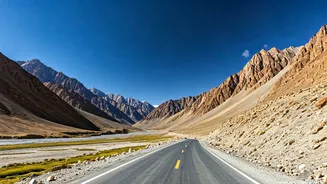
windward slopes (like in Kullu and Shimla). By the time the air crosses over to the northern, leeward side—where Kinnaur is located—it is dry. This phenomenon blesses the region with arid conditions, minimal rainfall, and breathtakingly clear blue skies, even from July to September. It transforms Kinnaur into a rare sanctuary for trekkers who refuse to let the monsoon season keep them indoors, offering a stark, beautiful contrast to the lush green but often inaccessible trails elsewhere.
Trail Spotlight: The Idyllic Sangla Valley
For those looking for a moderate yet deeply rewarding trek, the Sangla (or Baspa) Valley is the perfect introduction to Kinnaur’s beauty. The trail typically starts from near Sangla town and meanders along the gushing Baspa River. You’ll walk through apple orchards, fields of buckwheat, and dense forests of pine and deodar. The path connects charming, traditional villages like Rakcham, with its unique wooden architecture, and ends at Chitkul, the last inhabited village near the Indo-Tibetan border. This trek isn’t about gruelling ascents; it’s about immersion. The gradient is gentle, but the views are immense, with snow-capped peaks framing the valley and the crisp, dry air making every vista sharp and vibrant. It’s an ideal choice for families and first-time Himalayan trekkers.
For the Adventurous: Rupin Pass and Beyond
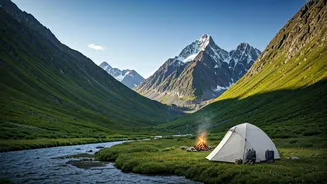
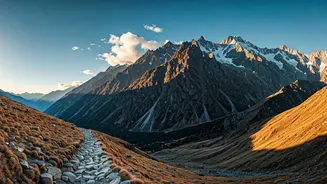
If your spirit craves a greater challenge, Kinnaur delivers. While not entirely in the dry zone, the approach to treks like the Rupin Pass becomes accessible post-monsoon, benefiting from the clearer weather window. A more classic rain shadow experience is the Kinnaur-Kailash Parikrama, a formidable pilgrimage circuit that circles the sacred 6,050-metre peak. This is a demanding, high-altitude trek that requires excellent physical fitness and prior experience. The trail crosses the Charang La pass (5,242 metres) and offers otherworldly landscapes of barren, multi-hued mountains, vast meadows, and deep gorges. This is trekking in its rawest form, a journey through a starkly beautiful, almost lunar landscape under skies so clear you can see the Milky Way with the naked eye.
Planning Your Kinnaur Expedition
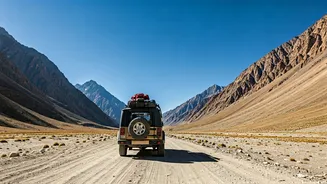
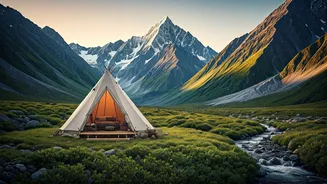
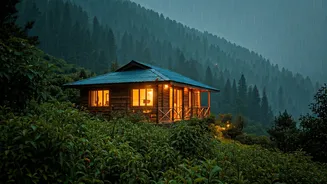
The best time to experience Kinnaur’s rain shadow magic is during the monsoon months, from late June to mid-September. The gateway to the region is Shimla. From there, it’s a long but stunning road journey along the Hindustan-Tibet Highway to reach hubs like Sangla or Reckong Peo. Due to the high altitude (most villages are above 2,500 metres), acclimatisation is non-negotiable. Plan to spend at least two nights at your starting point before beginning any trek to allow your body to adjust. You can hire local guides and porters in Reckong Peo or Sangla, which is highly recommended for safety and for gaining deeper insights into the local Kinnauri culture. Guesthouses and homestays are available in larger villages, but camping is essential on longer routes.
Essential Gear and Mindset
Packing for Kinnaur requires preparation for dramatic temperature swings. Days can be sunny and warm, but nights get cold quickly. Your packing list must include layers: thermal wear, a fleece jacket, and a windproof/water-resistant outer shell. Sturdy, broken-in trekking boots with good ankle support are crucial for the rocky terrain. The sun is incredibly harsh at this altitude, so high-SPF sunscreen, sunglasses, and a wide-brimmed hat are essentials. Remember, this is a remote region. Mobile connectivity is patchy at best, and amenities are basic. Embrace the disconnect. The reward is a profound connection with nature in one of the Himalayas' most stunning and protected corners.