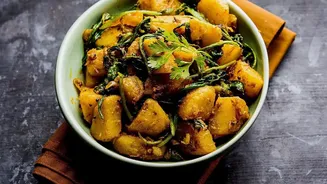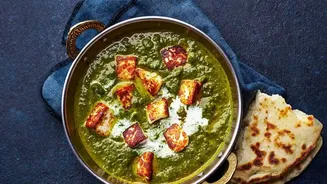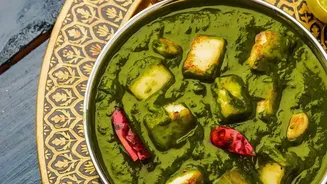



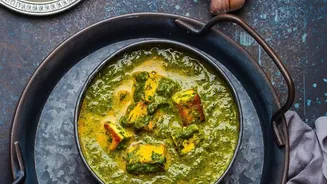


A dollop of golden ghee melting into a bowl of hot saag is an iconic image in Indian cuisine. But this finishing touch is more than just tradition; it's a culinary technique that fundamentally transforms the dish in flavour, texture, and nutrition.
More Than Just Richness
The
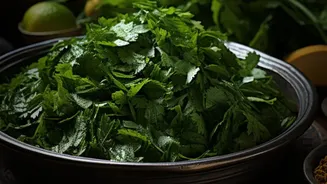
primary reason ghee is added to saag is for flavour, but not just in the way you might think. Ghee has its own nutty, slightly caramelised taste that comes from browning the milk solids during its preparation. This complex flavour complements the earthy, sometimes slightly bitter notes of the mustard greens (sarson) and spinach (palak) that form the base of most saags. But more importantly, fat is a powerful flavour carrier. Many of the aromatic compounds in spices like ginger, garlic, and cumin are fat-soluble, not water-soluble. When you add ghee, it captures these flavours and distributes them evenly throughout the dish, ensuring every spoonful is aromatic and deeply savoury. It also coats the tongue, which helps to mute any harsh bitterness from the greens and create a more balanced, well-rounded taste experience.
A Nutritional Partnership
Leafy greens like spinach and sarson are nutritional powerhouses, packed with vitamins. However, some of the most important ones—namely vitamins A, D, E, and K—are fat-soluble. This means your body needs dietary fat to absorb them effectively. Adding a spoonful of ghee acts as the perfect vehicle for these nutrients. It ensures that the vitamins from the greens are more readily available for your body to use. Ghee itself is a source of these same fat-soluble vitamins, particularly vitamin A, further boosting the nutritional value of the meal. So, while saag provides the vitamins, ghee ensures you get the full benefit.
The Science of a Silky Texture
Beyond taste and nutrition, ghee plays a crucial role in creating the signature mouthfeel of a good saag. The long, slow cooking process breaks down the greens into a purée. While techniques like adding cornmeal (makki ka atta) help thicken the mixture, it's the fat that gives it a luxurious, velvety consistency. Fat influences how a dish feels in the mouth, making it seem creamier and more substantial. It coats the individual particles of the puréed greens, preventing a gritty or watery texture and instead creating a smooth, cohesive dish that feels comforting and satisfying.
Cooked In vs. Poured On
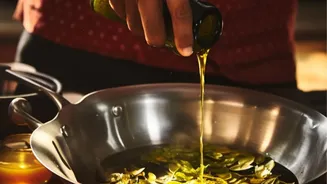
How and when you add ghee also changes its effect. Many traditional saag recipes use ghee in two stages. First, it is used as the cooking medium for the 'tadka' or tempering. Heating whole spices like cumin seeds in hot ghee allows their essential oils to bloom, infusing the entire dish with a deep, foundational aroma. This process builds layers of flavour from the very beginning. The second addition happens right at the end, when a spoonful of 'raw' ghee is stirred into the finished saag or drizzled on top just before serving. This final touch isn't about cooking; it’s about adding a final, intense burst of nutty aroma and richness that would otherwise be lost during a long simmer.
Finding the Right Balance
While ghee offers numerous benefits, it's important to remember that it is a pure fat and is high in calories. Modern dietary guidelines often recommend moderation when it comes to saturated fats. For most home cooked meals, one or two teaspoons per serving is generally considered sufficient to gain the flavour and nutritional absorption benefits without adding excessive fat to your diet. The goal is not to drown the saag, but to use ghee as a strategic ingredient that elevates the dish. A balanced approach allows you to enjoy the rich tradition and culinary advantages of ghee while maintaining a healthy diet.