



The Magic of Late Monsoon Rafting
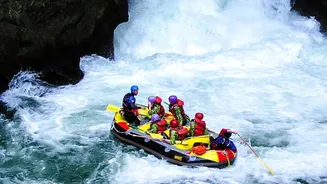
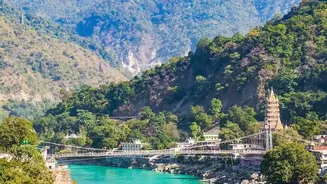
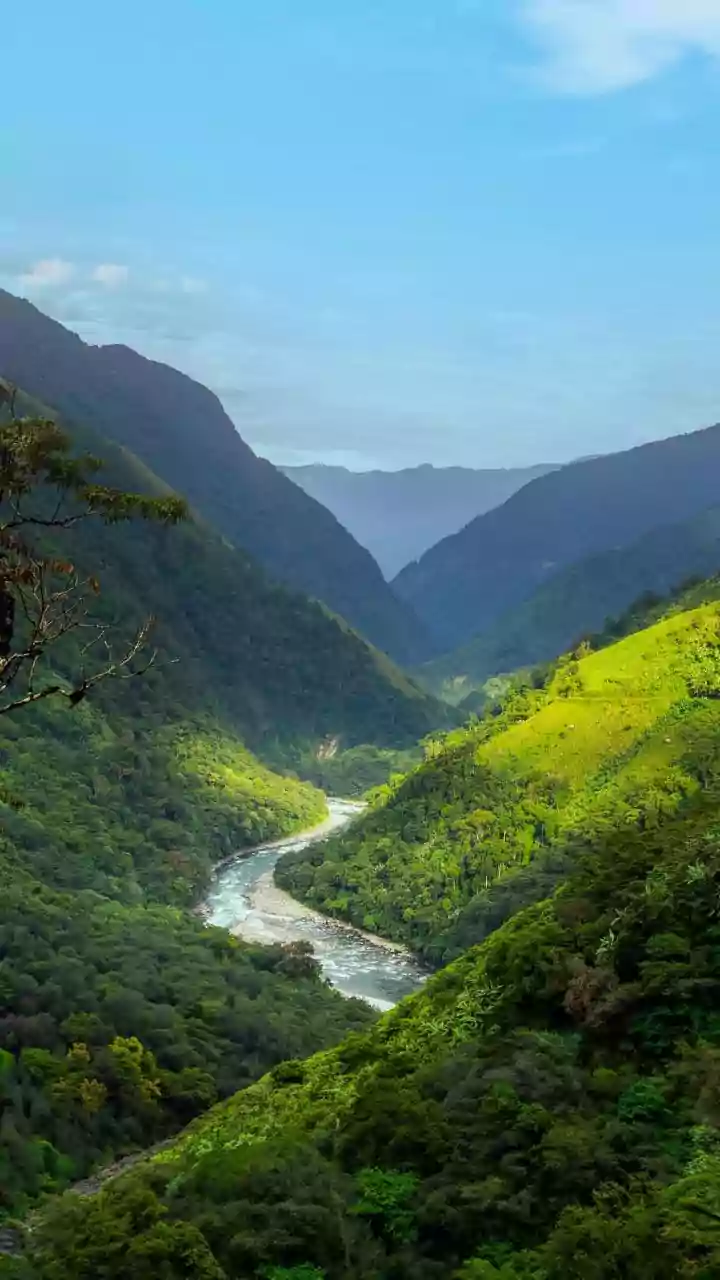
While rafting is typically closed during the peak monsoon months of July and August, it reopens in mid-to-late September. This period offers a unique experience. The Ganga flows robustly after the rains, making the rapids more exciting, and the surrounding
Himalayan foothills are at their most green and vibrant. The weather is pleasant, having cooled down from the summer heat, and you'll often find fewer crowds than in the peak months of October and May. This timing, right after the closure, means you get to experience the river at its freshest. According to recent announcements, rafting is expected to resume for the 2026 season around September 23rd, with teams currently assessing river flow and safety conditions.
Choosing Your First Route: A Guide to Safe Stretches
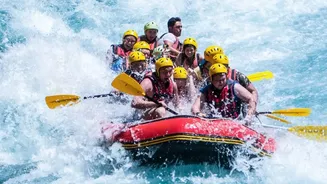
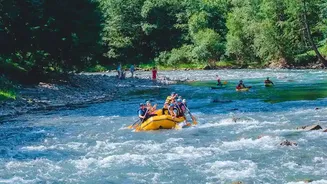
For a first-timer, especially when water levels can be high, choosing the right stretch is the most important safety decision you'll make. Rishikesh rafting is divided into several routes, each with a different starting point, distance, and rapid grade. For beginners, the Brahmpuri to Rishikesh stretch is the universally recommended choice. It's the shortest route at around 9 km and features mostly Grade I and II rapids, which are gentle and perfect for an introduction to the sport. This trip takes about 1.5 to 2 hours and includes fun, mellow rapids like 'Sweet Sixteen' and 'Hilton'. The slightly more adventurous Shivpuri to Rishikesh route (16 km) is also popular with beginners who want a bit more thrill, featuring Grade II and III rapids like 'Roller Coaster'. However, if you are nervous or a non-swimmer, sticking to the Brahmpuri stretch is the safest bet. Longer, more advanced routes like Marine Drive (24 km) or Kaudiyala (35 km) involve Grade IV and V rapids and are only for experienced rafters.
Your First-Timer Safety Checklist
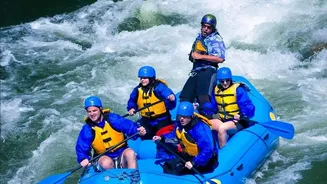
Adventure is only fun when it’s safe. Always choose a government-approved and certified rafting operator. Vetted operators provide essential safety gear, including a life jacket and helmet, and conduct a thorough safety briefing before you hit the water. Never opt for a tout offering an unbelievably cheap deal; these often cut corners on safety, using undertrained guides or overcrowding rafts. Listen carefully to your guide’s commands for paddling and what to do if you fall in the water. Even if you're not a strong swimmer, you can raft safely on beginner routes as long as you wear your life jacket at all times and follow instructions. Wear quick-drying clothes and avoid loose flip-flops in favour of sturdy sandals or sneakers you don't mind getting wet.
Rafting on a Budget: How to Plan Your Costs
A Rishikesh rafting trip doesn't have to break the bank. The cost primarily depends on the stretch you choose. For 2026, you can expect the beginner-friendly 9 km Brahmpuri route to cost around ₹600 per person. The more popular 16 km Shivpuri stretch typically costs about ₹1,000 per person. These prices generally include transport to the starting point, your guide, and all necessary equipment. To save money, consider travelling on weekdays, as prices and crowds are lower than on weekends. Many operators offer combo packages that include riverside camping, meals, and a bonfire, which can be a cost-effective way to manage your entire trip. A one-night camping and rafting package can start from around ₹1,200 to ₹1,800 per person. Booking through your hostel can also be a reliable way to find a vetted operator without being overcharged.