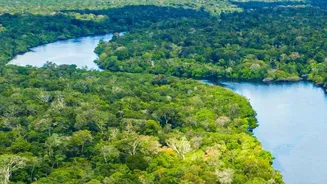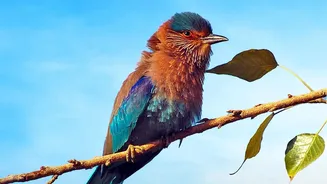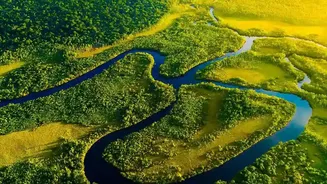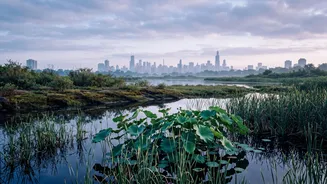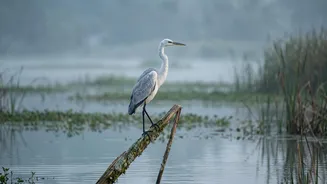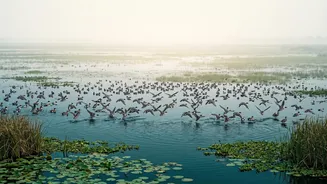







Amid the concrete and chaos of India’s growing cities lie hidden pockets of wilderness. These urban wetlands are more than just water bodies; they are vibrant, essential sanctuaries for a stunning array of wildlife, especially migratory birds.
More Than Just Marsh
When you
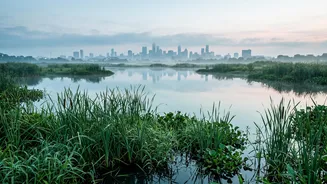
think of a wetland, you might picture a remote swamp. But in an urban context, wetlands are incredibly diverse. They include lakes, ponds, marshes, river floodplains, and even man-made water bodies like tanks and reservoirs that are woven into the city's fabric. Often overlooked, these ecosystems are biodiversity hotspots, providing critical habitat for countless species within otherwise developed landscapes. From the Pallikaranai Marsh in Chennai to the ponds of Delhi and the vast East Kolkata Wetlands, these areas are not wastelands but living, breathing parts of the urban environment.
Crucial Pit Stops for Feathered Travellers
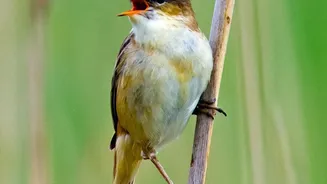
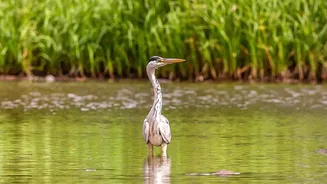
Every year, India plays host to millions of migratory birds travelling along the Central Asian Flyway, a route stretching from the Arctic to the Indian Ocean. For many of these species, such as bar-headed geese, northern shovelers, and various sandpipers, urban wetlands are indispensable refuelling stations. Cities like Mumbai, Delhi, and Kolkata offer critical stopover sites where these birds rest and feed before continuing their arduous journeys. The presence of these birds is a key indicator of ecological health; their arrival signals a functioning wetland with a healthy aquatic system. When these habitats degrade, the birds' ancient journeys are disrupted, and some may stop returning altogether.
A World of Life Beneath the Water
The sanctuary provided by urban wetlands extends deep below the surface. These waters teem with life, including fish, insects, amphibians, crustaceans, and algae. This rich aquatic biodiversity forms the foundation of a complex food web that sustains not only the resident wildlife but also the visiting migratory birds. Furthermore, the plants and microorganisms within wetlands act as natural filters, purifying water by breaking down pollutants. This process is vital for maintaining water quality in urban areas, which are often plagued by runoff and sewage. Man-made floating wetlands can even enhance this process, providing refuge for small native fish while improving habitat diversity.
The Unsung Heroes of Urban Infrastructure
Beyond their role as wildlife havens, urban wetlands provide essential 'ecosystem services' that make cities more resilient and liveable for people. They act like giant natural sponges, absorbing excess rainwater to mitigate floods—a critical function in cities like Chennai, which have lost the majority of their natural floodplains. Wetlands also help recharge groundwater aquifers, securing water supplies for the future. They even play a role in climate regulation, sequestering and storing significant amounts of carbon. The East Kolkata Wetlands, for example, naturally treat a large portion of the city's sewage and support local livelihoods through fishing and agriculture.
Sanctuaries Under Siege
Despite their immense value, India's urban wetlands are among the most threatened ecosystems. Many cities have lost a staggering percentage of their wetlands to rapid, often illegal, construction and urban expansion. Mumbai has lost approximately 71% of its wetlands, while Chennai has lost around 90%. Pollution from industrial discharge, untreated sewage, and the dumping of solid waste degrades the water quality, collapsing the food chain that birds and other wildlife depend on. This habitat destruction not only silences the birds but also makes cities more vulnerable to flooding and water scarcity, highlighting the urgent need for their protection.