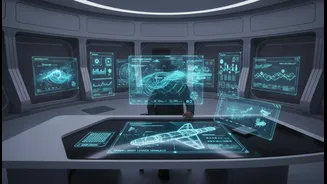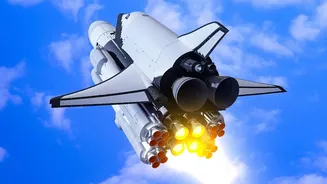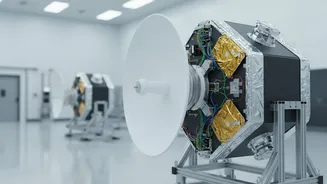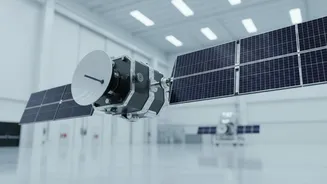









Welcome to the 'New Space' Era
India's space story is no longer solely written by the government. Following key policy reforms in 2020, the sector was opened to private enterprise, giving birth to a vibrant 'New Space' ecosystem. This shift has been monumental. The Indian National
Space Promotion and Authorisation Centre (IN-SPACe) was established to facilitate private participation, acting as a bridge between ISRO and new commercial players. As a result, the number of space startups has skyrocketed from just a handful to over 400, attracting significant investment and creating a competitive, dynamic job market. Projections show India's space economy could grow from around $8 billion today to $44 billion by 2033, signaling a massive expansion of opportunity.
The Jobs of Tomorrow, Today
The New Space economy demands a far wider range of skills than ever before. While aerospace engineers remain crucial, the fastest-growing needs are in diverse and surprising fields. Startups are building everything from small satellite constellations to launch vehicles, creating a demand for specialists in satellite systems, propulsion, and avionics. But the opportunities don't stop there. The vast amounts of data beamed down from satellites require data scientists and AI/ML experts to analyze and convert it into actionable intelligence for sectors like agriculture, finance, and disaster management. This has also opened doors for roles in cybersecurity to protect space assets, space law to navigate complex regulations, and even finance and marketing professionals who can translate high-tech capabilities into commercial success.
Startups: The New Launchpad for Careers
The engine of this job growth is the burgeoning startup ecosystem. Companies like Skyroot Aerospace, Agnikul Cosmos, Pixxel, and GalaxEye are not just complementing ISRO; they are pioneering new technologies like 3D-printed engines and advanced Earth observation satellites. This startup boom is creating a high-tech job market that is not only retaining domestic engineering talent but also attracting experienced scientists and engineers from state institutions and global firms. This 'reverse brain drain' is channeling decades of accumulated expertise into agile commercial ventures, accelerating innovation and product development. These companies are hiring for a spectrum of roles, from interns in software and avionics to technicians and quality assurance managers, offering a dynamic environment for career growth.
Building the Right Skillset
Aspiring space professionals should look beyond a traditional aerospace degree, although that remains a strong foundation. A strong grasp of physics, mathematics, and computer science is essential. Increasingly, expertise in software development, AI, data analytics, and embedded systems is becoming non-negotiable. The industry needs people who can design, build, and operate complex systems, but also those who can make sense of the information those systems gather. Even non-technical skills are in high demand. The ability to manage complex projects, communicate effectively across teams, and understand the commercial landscape are all critical for success in this new, commercially-driven era of space exploration.