






Why Night Work Disrupts Digestion
Our bodies run on a 24-hour internal clock known as the circadian rhythm, which governs everything from sleep to hormone release and digestion. This internal clock is programmed to slow down digestive processes overnight, including gut motility and the secretion
of digestive fluids. When shift workers eat large meals during the night, they are asking their digestive system to perform heavy labour when it's naturally winding down for rest. This misalignment can lead to common complaints like bloating, gas, constipation, and acid reflux, with some studies showing shift workers experience these issues at much higher rates than day workers.
What is Circadian-Aligned Daylight Eating?
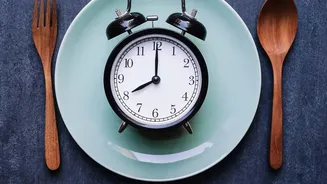
Circadian-aligned eating, also known as time-restricted eating (TRE), is a strategy that synchronizes your mealtimes with your body's natural daytime clock. Instead of eating around the clock, you consume all your meals and snacks within a consistent window of about 8-12 hours during the day. For a shift worker, this means eating during daylight hours, even on days when you work overnight. The goal is to give your digestive system a long break overnight, aligning your 'eating clock' with your brain's 'master clock,' which is primarily influenced by light.
The Benefits of Eating by the Sun
Several studies suggest that restricting food intake to daytime can help counteract some of the metabolic problems associated with night work. One study on simulated shift work found that participants who ate only during the daytime avoided the spike in blood sugar levels seen in those who ate at night. This is significant because chronically elevated blood sugar is a risk factor for developing diabetes. By aligning eating with the body's optimal processing time, this approach may help improve insulin sensitivity, reduce inflammation, and support overall metabolic health.
Putting Daylight Eating into Practice
The key is to establish a consistent eating window during daylight hours. For example, you might choose to eat between 8 a.m. and 6 p.m. Have your main, most substantial meal before your night shift begins. This provides you with slow-release energy to get through your work period. If you need to eat during your shift, especially between the hours of midnight and 6 a.m. when digestion is slowest, opt for a small, light, protein-rich snack instead of a full meal. Good choices include a hard-boiled egg, a small pot of yogurt, or a handful of nuts. This approach provides energy without overburdening your resting digestive system.
Making It Work for You
Transitioning to a new eating pattern takes time. Start by gradually shrinking your eating window. Planning is crucial. Prepare healthy meals and snacks in advance so you aren't tempted by vending machines or fast food late at night. Hydration is also essential for both digestion and alertness, so keep a water bottle handy throughout your shift. Finally, what you eat still matters. Focus on high-quality foods like lean proteins, vegetables, and whole grains to provide sustained energy. It’s important to remember that this is about creating a sustainable routine, not a rigid diet. Small, consistent changes can make a significant difference to your digestive health and overall well-being.