




Why Real-Time Updates Are Non-Negotiable
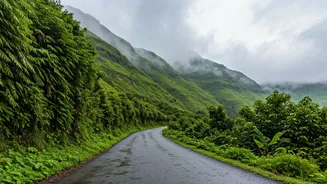
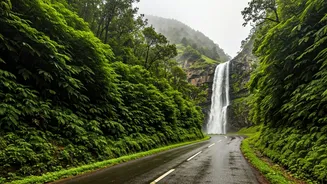
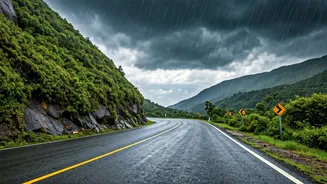
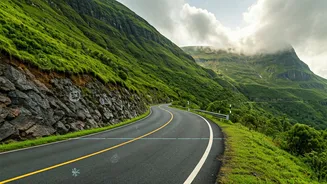
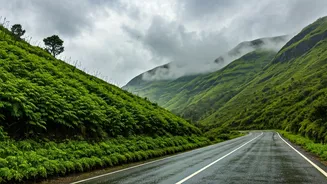
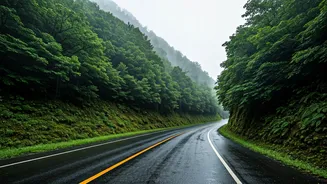
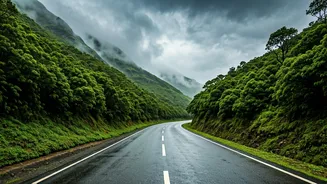
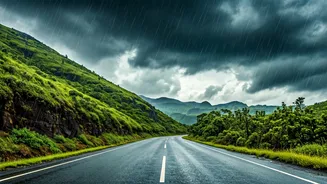
Driving in the Western Ghats during the monsoon is not like your average city commute. The terrain, combined with torrential rain, creates a unique set of challenges. Landslides are the most significant danger, capable of blocking entire roads for hours,
or even days. Areas that were perfectly safe yesterday can become impassable overnight. Flash floods can submerge low-lying bridges, and uprooted trees can block narrow ghat sections without warning. Relying on last week's information or a friend's advice from a previous trip is a recipe for disaster. Real-time, minute-by-minute updates from official and crowd-sourced channels are the only way to navigate these dynamic conditions safely, helping you reroute or postpone your journey if necessary.
Your Digital Toolkit for Live Road Conditions
Before you even put the key in the ignition, load your phone with these essential resources. Start with Google Maps and Waze, enabling the traffic layer. These are invaluable for real-time traffic jams and reported incidents, often updated by drivers ahead of you. Next, turn to X (formerly Twitter). Follow the official handles of the state traffic police for Maharashtra, Karnataka, Goa, and Kerala. They often post immediate alerts about major road closures. Finally, for detailed, on-the-ground reports from seasoned travellers, forums like Team-BHP are an indispensable resource. Members frequently post detailed updates on specific ghat sections, including photos and alternative route suggestions.
Hotspots: Maharashtra and Goa
The popular Mumbai-Goa route (NH66) and the roads connecting Pune to the Konkan coast are beautiful but treacherous. The Mumbai-Pune Expressway is generally reliable but can experience poor visibility and accidents. Key ghats to monitor closely are Amboli Ghat, which is prone to frequent landslides and is often shut down for safety, and Tamhini Ghat, which sees heavy waterlogging and rockfalls. While NH66 has improved, sections can still get waterlogged, and diversions are common. Always check the status of the Kashedi and Parshuram Ghats before starting your journey, as these are critical chokepoints.
Hotspots: Karnataka's Challenging Ghats
Karnataka's section of the Ghats contains some of the most stunning and perilous monsoon routes. The Shiradi Ghat on the Bengaluru-Mangaluru highway is notorious for its poor condition and frequent closures during heavy rains. Charmadi Ghat, a narrower alternative, is equally susceptible to landslips. While scenic, it requires extreme caution. Agumbe Ghat, famous for its rainfall, often has restrictions on heavy vehicle movement and can be closed with little notice. When travelling in this region, having multiple route options planned is crucial. Local news channels and regional traffic police pages are your best bet for the most current information on these specific routes.
Hotspots: Navigating Kerala's Green Labyrinth
In Kerala, the concern is less about wide highways and more about the network of smaller roads winding through hilly districts like Idukki and Wayanad. These areas, while spectacularly beautiful, were heavily affected by landslides in past monsoons. Roads leading to popular tourist destinations like Munnar can be blocked by falling rocks or soil slip. The road from Calicut to Wayanad via the Thamarassery Ghat (Churam) is another critical route that needs to be monitored. The Kerala Police and State Disaster Management Authority websites and social media feeds are essential sources for any traveller planning to explore the state's hilly interiors between June and September.
Beyond Updates: Your Monsoon Driving Checklist
Technology is a tool, not a guarantee. Supplement your digital research with practical on-ground preparation. Ensure your car’s tyres have excellent tread, your wipers are new, and all lights are functional. Pack an emergency kit with a tow rope, a powerful torch, a first-aid kit, and extra food and water. Given the unreliable network in the Ghats, download offline maps of your entire route. Most importantly, inform a friend or family member of your exact itinerary and expected check-in times. A well-prepared car and a clear communication plan are just as important as knowing which road is open.