



Before You Plant: Monsoon Care Essentials
The magic of monsoon gardening lies in its humid air and natural watering, which encourages fast growth. However, this season also brings challenges. The key to a thriving balcony garden is mastering drainage. Roots sitting in waterlogged soil are prone
to rot. Ensure every pot has functional drainage holes at the bottom. It’s also wise to use a well-draining soil mix; a combination of garden soil, compost, and a bit of sand or cocopeat works wonders. During periods of heavy, continuous rain, consider moving smaller pots to a more sheltered part of your balcony to prevent them from becoming waterlogged. Finally, the humidity can attract pests and fungal diseases, so keep an eye on your plants and ensure good air circulation around them.
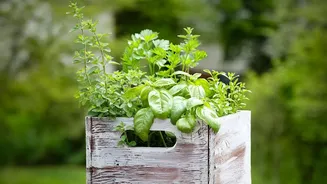
Tulsi (Holy Basil): The Resilient Healer
A staple in many Indian homes, Tulsi is particularly well-suited for the monsoon. It is known for its immunity-boosting properties, which are especially valued during the damp weather. Tulsi thrives in the humidity but despises 'wet feet', making well-drained soil an absolute must. Use a medium-sized pot and a loamy soil mix. While the plant loves sunlight, the gentler, often-filtered light of the monsoon is ideal. Aim for at least four to six hours of light daily. Overwatering is the main risk during the rains; only water when the top inch of soil feels dry. To encourage a bushier plant with more leaves, regularly pinch off the flowering buds (manjaris).
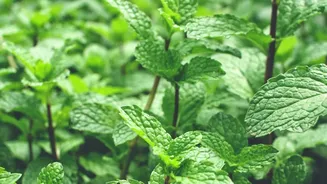
Mint (Pudina): The Prolific Refresher
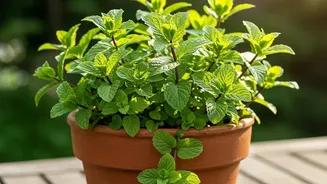
Mint is famously easy to grow and loves moisture, making it a perfect monsoon companion. Its refreshing leaves are perfect for teas, chutneys, and cool drinks. Mint is an aggressive spreader, so growing it in a container is the best way to keep it in check, especially on a balcony. A pot about 12 inches in diameter is a good start. It prefers soil that is consistently moist but not soggy, so good drainage is still important. While it can tolerate some shade, placing it where it receives a few hours of sun will keep it healthy. Harvest leaves regularly by pinching off stems; this encourages the plant to become bushier and more productive.
Lemongrass: The Fragrant Sentinel
With its graceful, arching leaves and distinct citrusy aroma, lemongrass is both an ornamental and a culinary delight. It thrives in tropical conditions, loving the heat, sun, and regular moisture that the Indian monsoon provides. It grows quickly during this season and also acts as a natural mosquito repellent. For a balcony, a large, 5-gallon pot is recommended to accommodate its growing root system. Ensure it's placed in a spot that receives at least six hours of full sun. Keep the soil consistently moist, watering whenever the top inch feels dry, which may be less frequent thanks to the rain. Harvest stalks once the plant is well-established, about a foot tall, by cutting them at the base.
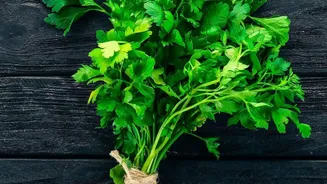
Coriander (Dhania): The Flavourful Staple
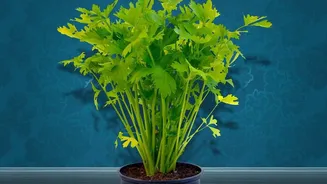
Fresh coriander is a must-have in Indian cooking, but it can be tricky to grow, especially in the heat. The cooler, overcast days of the monsoon provide a perfect window of opportunity. Coriander prefers filtered sunlight during this season, as intense sun can cause it to 'bolt' or flower prematurely. It has a long taproot, so choose a pot that is at least 10 inches deep. Use a light, well-draining soil mix. The key to success is sowing seeds every two to three weeks for a continuous supply. Before planting, gently split the whole coriander seeds and soak them overnight to improve germination. Water carefully, keeping the soil moist but never waterlogged.
Ajwain (Carom): The Hardy Digestive Aid
Often called Indian Borage, the Ajwain plant is incredibly hardy and easy to propagate, making it ideal for beginner gardeners. Its leaves have a pungent, thyme-like flavour and are often used for their digestive properties. This plant does well in pots and can be easily grown from a cutting placed in moist soil. It thrives in partial sunlight, making it a great fit for balconies that may not get direct sun all day. Ajwain is not demanding about soil but, like other monsoon herbs, requires good drainage to prevent root rot. It doesn't need much water once established, and its pungent aroma naturally deters many pests.