





An End to the Mealtime Dilemma
For generations, the art of Indian cooking has been a delicate dance between tradition, taste, and the ingredients available. But even with a pantry stocked with dals, rice, and a rainbow of spices, decision fatigue is real. The mental load of planning
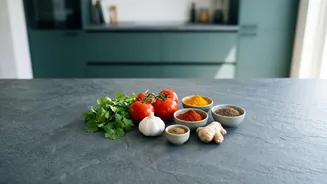
nutritious, varied meals for the entire family, day after day, can be exhausting. This is where a new wave of technology comes in. Artificial intelligence, once the stuff of science fiction, is now stepping into the kitchen as a practical assistant. AI-powered meal planners are designed to tackle the age-old problem of what to make for dinner by using the contents of your own pantry and fridge as the starting point. This shifts the focus from finding a recipe and then shopping, to using what you have first, potentially saving time, money, and mental energy.
How AI Becomes Your Digital Sous Chef
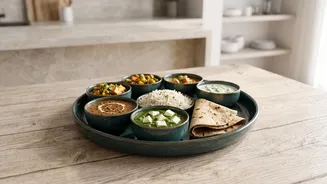
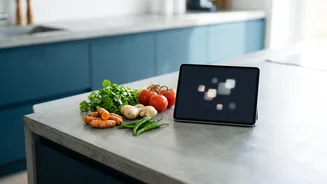
At its core, an AI meal planner is a smart system that acts like a highly organised and creative chef. Users can input the ingredients they have on hand, either by typing a list or sometimes even by taking a picture of their pantry. Then, they can add preferences such as family size, dietary restrictions (like vegetarian or vegan), desired spice level, and even how much time they have to cook. The AI processes all this information in seconds. Using vast databases of recipes and culinary knowledge, it generates meal suggestions that fit the specified criteria. Some apps designed specifically for Indian households, like PlanNEat and CookMithra, come pre-loaded with hundreds of regional home-style dishes, understanding the nuances of Indian cooking that global apps might miss. They can suggest a full thali, complete with a sabzi, dal, and roti, rather than just a single dish.
Perfectly Suited for the Indian Pantry
The typical Indian kitchen is a treasure trove of ingredients, but also one of complexity. There are different types of lentils, a dozen or more spices, various flours, and a rotating cast of seasonal vegetables. This is a challenge where AI can shine. AI models trained on Indian cuisine can understand that ‘tur dal’ and ‘moong dal’ have different cooking times and uses, or suggest a Hyderabadi-style dish if you have mustard seeds and curry leaves. Some tools, like Google's Food Mood generator, can even create playful fusion recipes by combining culinary styles from two different Indian states. This capability makes AI a powerful tool for not just planning, but also for creativity, helping home cooks break out of their routine and discover new ways to use familiar ingredients. It can suggest a Chettinad-style gravy for the chicken in your fridge or a quick Kerala-style thoran with the last of the cabbage.
Cutting Down on Waste and Expenses
A significant, and often unspoken, benefit of this technology is its potential to drastically reduce household food waste. By building meal plans around ingredients that are already in the kitchen, these apps ensure that the half-used bottle of coconut milk or the lingering bunch of coriander gets used before it spoils. Instead of buying more food for specific recipes, families can cook from what they own, leading to fewer last-minute grocery runs and a lower overall food bill. AI planners treat the week's meals as a connected system. If you cook rice for Monday's lunch, the AI might suggest a fried rice recipe for Tuesday's dinner to use up the leftovers. This systematic approach to using and reusing ingredients ensures that food is consumed efficiently, which is both good for the family budget and for the environment.
A Helpful Tool, Not a Replacement
While the benefits are compelling, it's important to view these AI tools as assistants rather than replacements for the home cook. An AI cannot understand the sentimental value of a family recipe or the comfort of a meal made with love. There can be a learning curve in setting up preferences, and sometimes the suggestions might not perfectly align with a family's tastes. Experts also caution that while AI can provide nutritional information, it is not a substitute for a dietitian and doesn't know an individual’s specific medical history. The human touch remains essential. The true power of this technology is unlocked when it is used to support, not supplant, the intuition and creativity of the person in the kitchen. It’s a tool to handle the logistics so that families can focus more on the joy of cooking and eating together.