







Beyond the Grain: What Are Fermented Rice Bowls?
At its heart, a fermented rice bowl is deceptively simple. It starts with cooked rice that's been transformed by time and beneficial microbes. This process, often involving a mold called Aspergillus oryzae or koji, breaks down the starches and proteins
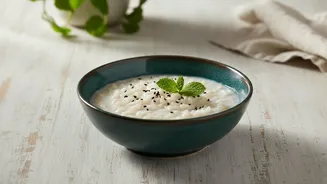
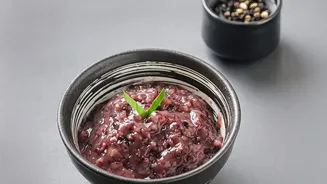
in the rice. This isn't about spoilage; it's a controlled process that unlocks new flavors and, more importantly, a wealth of nutrients. One of the most well-known examples is Japanese amazake, a sweet, often non-alcoholic porridge or drink made from fermented rice. In Japan, it’s affectionately nicknamed the "drinkable IV" for its dense concentration of vitamins and easily digestible energy. Other variations exist across Asia, like India's neeraagaram, where leftover rice is soaked overnight, fermenting naturally and creating a probiotic-rich meal. These aren't just bowls of rice; they are functional foods, predigested by microbes to become something more.
The Science of Fuel and Recovery
The resurgence of these ancient bowls in fitness circles isn't just about a return to tradition; it's backed by modern science. The magic lies in fermentation. This process enriches the rice with probiotics, the beneficial bacteria crucial for a healthy gut. For athletes, a healthy gut isn't a luxury—it's foundational. A balanced microbiome helps reduce inflammation, strengthens the immune system (about 70% of which resides in the gut), and improves nutrient absorption. Fermentation also increases the bioavailability of key nutrients locked within the rice, like B vitamins, magnesium, and iron, making them easier for the body to use for energy and repair. The process breaks down complex carbs into simple glucose, providing a source of steady, easily accessible energy without the sugar crash associated with refined sweets. This makes a fermented rice bowl an ideal food for pre-workout fuel or post-workout recovery, helping to replenish energy stores and deliver amino acids to tired muscles.
A Gut Check for Modern Athletes
Why now? The trend taps directly into the modern obsession with gut health. Athletes and fitness enthusiasts are increasingly recognizing the gut-performance axis: a healthier digestive system leads to better overall health, which supports training and competition. High-intensity training can put stress on the digestive system, and a diet rich in probiotic foods can help mitigate issues like bloating and improve resilience against infections that can derail a training schedule. Fermented rice offers a whole-food alternative to processed supplements. While probiotic capsules have their place, foods like amazake provide probiotics along with a symphony of enzymes, fiber, amino acids, and vitamins that work together. This holistic approach appeals to those seeking natural, minimally processed ways to enhance their performance and well-being.
How to Add Fermented Rice to Your Routine
Incorporating fermented rice into your diet is simpler than it sounds. Japanese amazake is becoming more widely available in U.S. health food stores and online, sold as a thick porridge or a drink. You can enjoy it chilled on a warm day or warmed on a cool one. It can be eaten on its own, blended into a smoothie for a pre-workout boost, or used as a base for a bowl topped with fruit, nuts, and seeds. For those new to fermented foods, it’s wise to start slow to allow your digestive system to adjust. Begin with a small serving a few times a week. The flavor is often mildly sweet and tangy, a unique taste that pairs well with many modern health food staples. Its natural sweetness also makes it a healthy alternative to sugary energy gels or bars.