






Start in the Kitchen: Rethink Your Cookware and Storage
Your kitchen is a critical area for microplastic exposure. Studies, including those from IIT Bombay, have found that cooked food can be a dominant source of ingestion. Plastic cutting boards, when used, can shed millions of particles directly into your
food. Similarly, heating food in plastic containers, even those marked 'microwave-safe', can cause chemicals and microplastics to leach into your meal. The fix is straightforward: switch to wooden or bamboo cutting boards and use glass, ceramic, or stainless steel containers for storing and reheating food. Replacing plastic spatulas and utensils with versions made of wood or metal is another small but effective change.
Hydrate Smarter: Filter Your Water and Ditch Plastic Bottles
Drinking water is a major pathway for microplastic consumption. Studies show that both tap and bottled water can be contaminated. In fact, some research suggests bottled water often contains significantly more microplastic particles than tap water, partly due to particles shed from the bottle and cap. A study by IIT Bombay analysing water on campus found individuals could be exposed to hundreds of particles daily from this source alone. To reduce this, consider installing a high-quality water filter at home, such as a reverse osmosis or activated carbon system. Opt for reusable stainless steel or glass bottles instead of buying single-use plastic ones.
Be Mindful of 'Hidden' Plastics in Your Food
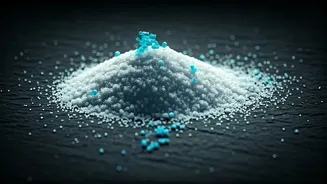
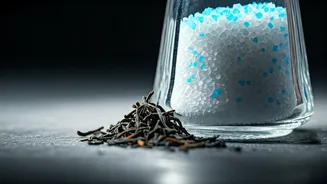
Microplastics are not just in packaging; they are in the food itself. Research in India has found microplastics in common table salt and sugar, with sea salt being particularly affected due to contamination of seawater. Tea bags are another surprising source, as many are sealed with plastic that releases particles into hot water. To mitigate this, opt for loose-leaf tea using a metal infuser. Whenever possible, choose fresh, unprocessed foods over items wrapped in extensive plastic packaging. Buying from bulk bins using your own containers and washing produce thoroughly can also help reduce the transfer of surface microplastics.
Choose Natural Fibres for Clothing and Home
Synthetic fabrics like polyester, nylon, and acrylic are a major source of microplastic fibres. Every time these clothes are washed, they shed thousands of tiny fibres that enter our water systems and can become airborne in our homes. Research from an IIT Bombay study identified nylon as one of the microplastic types found in their campus samples. Whenever possible, choose clothing made from natural fibres like cotton, linen, wool, or jute. This principle extends to your home as well. Carpets, upholstery, and curtains made from synthetic materials also contribute to microplastic dust. Opting for natural materials in home furnishings can reduce the overall plastic load in your indoor environment.
Adjust Your Laundry and Cleaning Habits
Beyond choosing natural fabrics, how you do laundry matters. To reduce fibre shedding from synthetic clothes you already own, wash them in colder water and run fuller loads. Air-drying clothes instead of using a machine can also help. Since microplastics accumulate in household dust, regular cleaning is an effective removal strategy. Using a vacuum cleaner with a HEPA filter can trap airborne particles, and wiping surfaces with a damp cloth can prevent dust from recirculating. These simple cleaning habits can significantly lower your inhalation exposure to microplastics that have settled in your home.