






A Hug in a Cup
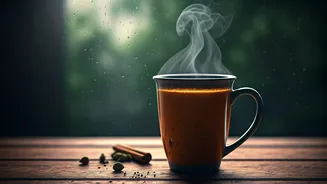
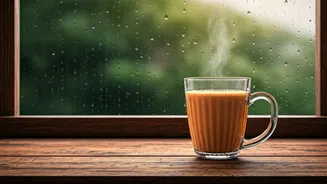
Before we even get to the spices or the science, let’s talk about the feeling. The monsoon brings a welcome respite from the searing summer heat, but it also brings a damp chill that seeps into your bones. In that moment, the appeal of masala chai is
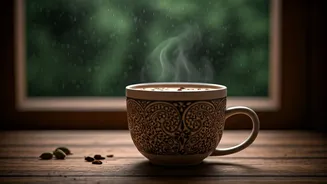
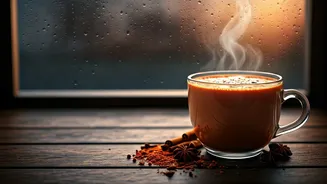
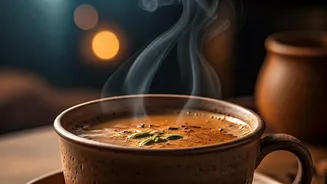
primal. It’s a vessel of warmth against the cool, relentless rain. Holding a kulhad or a mug, feeling the heat transfer to your palms, and taking that first sweet, spicy sip is an act of sensory defiance against the gloom outside. It’s the liquid equivalent of being wrapped in a warm blanket. This simple contrast—the cold, wet world outside your window and the hot, fragrant world in your cup—creates an immediate sense of comfort and shelter that few other beverages can replicate.
The Aromatic Armoury of Spices
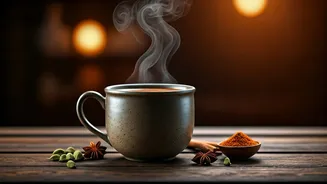
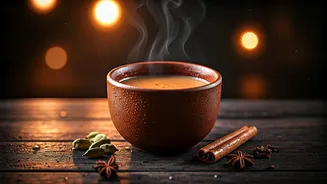
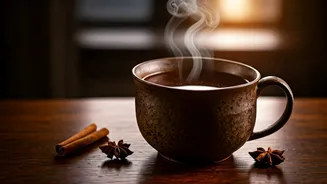
Masala chai isn’t just hot tea; it’s an orchestra of spices, each playing a crucial role. Ginger, with its pungent heat, is traditionally believed to soothe sore throats and aid digestion. Cardamom lends a sweet, floral fragrance, while cloves offer a warm, slightly medicinal note, long used in traditional remedies for their antiseptic properties. Cinnamon adds a woody sweetness, and a hint of black pepper provides a final, sharp kick. During the monsoon, when humidity and fluctuating temperatures make us more susceptible to coughs, colds, and lethargy, this spicy blend feels like a shield. While not a substitute for medicine, these ingredients have been staples in Ayurvedic and home remedies for centuries. The act of simmering them together releases their volatile oils, creating an aroma that feels inherently therapeutic, clearing stuffy noses and reviving tired spirits.
The Social Glue of a Rainy Day
When the rain forces life to slow down, chai provides the occasion. It’s an excuse to pause, to gather, and to connect. The phrase 'Chalo, chai peete hain' (Come on, let's have tea) takes on a special significance during the monsoon. It’s an invitation to share a moment, to watch the rain fall from a dry balcony, or to huddle in a small tapri as the world rushes by under a sea of umbrellas. In offices, it’s the ten-minute break that breaks the monotony of a grey afternoon. At home, it’s the centrepiece of a family gathering, often accompanied by the sizzle of pakoras or samosas being fried in the kitchen. This social aspect elevates chai from a mere beverage to a cultural ritual. It punctuates the day, turning a potential inconvenience into an opportunity for community and conversation.
A Sip of Sweet Nostalgia
For many Indians, the connection between chai and monsoon is forged in childhood. It’s tied to memories of running home from school, drenched but happy, to be greeted by the smell of adrak-elaichi chai brewing on the stove. It’s the memory of grandparents insisting on a cup to 'ward off the cold'. These experiences are embedded deep in our collective consciousness. Every time we brew a cup on a rainy day as adults, we are subconsciously tapping into this wellspring of nostalgia. The flavour profile is a direct link to comfort, safety, and care. This emotional resonance is powerful, ensuring that no matter how many trendy coffees or artisanal infusions enter the market, the humble masala chai retains its crown when the clouds gather.