


A Vision Called ‘Hydrogen for Heritage’
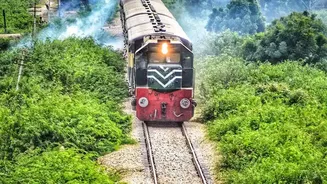
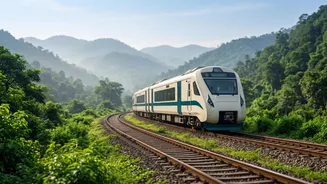
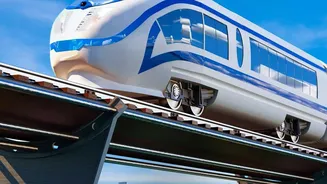
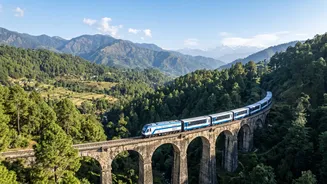
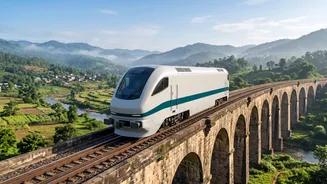
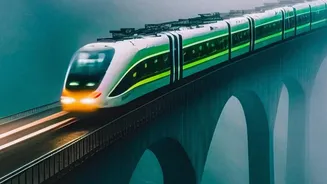
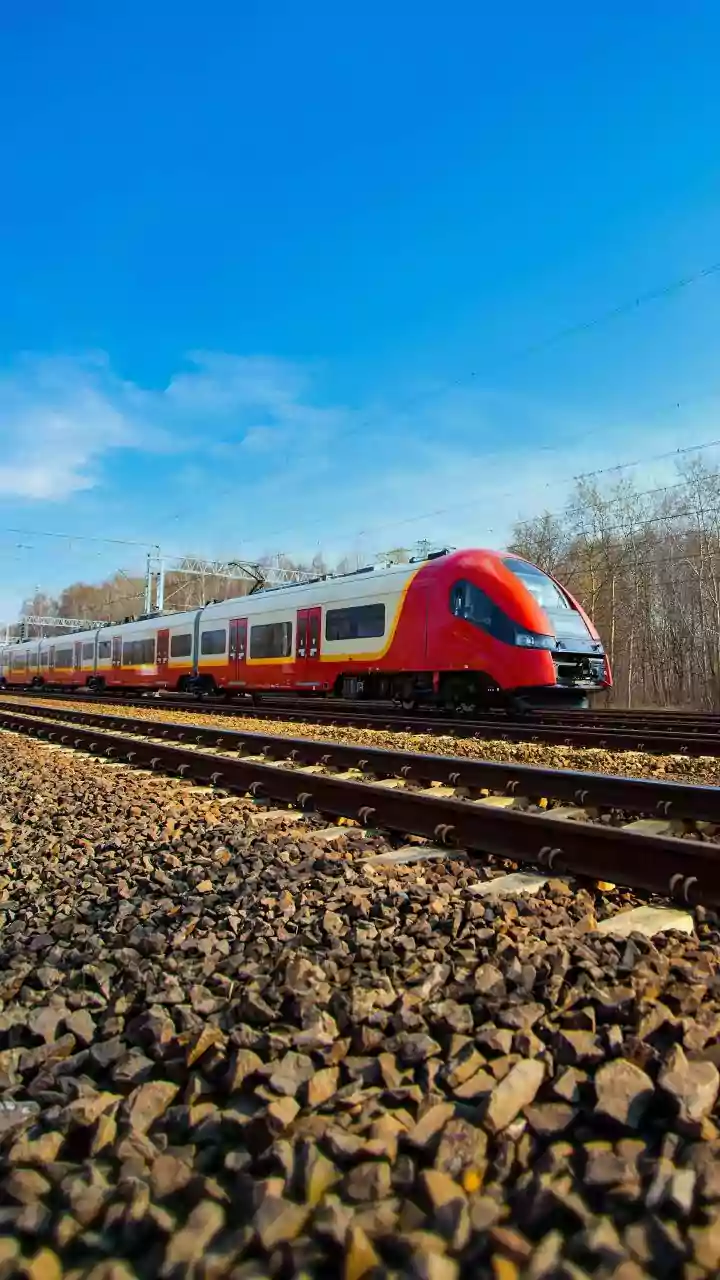
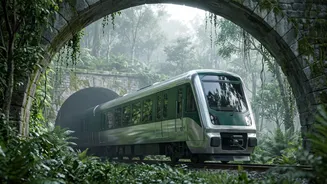
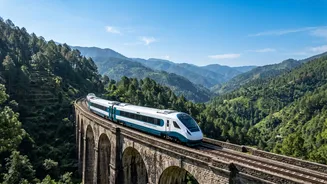
Indian Railways has launched an ambitious initiative named ‘Hydrogen for Heritage’. The project’s goal is to deploy 35 hydrogen-powered trains on several of the country's most iconic and ecologically sensitive narrow-gauge railway lines. These include
UNESCO World Heritage sites like the Kalka-Shimla Railway, the Darjeeling Himalayan Railway, and the Nilgiri Mountain Railway. For decades, these routes have been served by diesel locomotives, which, while effective, contribute to air and noise pollution. By retrofitting existing diesel units with hydrogen fuel cell systems, Indian Railways aims to preserve these precious landscapes from the damaging effects of exhaust emissions, ensuring they can be enjoyed by future generations in a cleaner, more sustainable way.
How Hydrogen Power Works
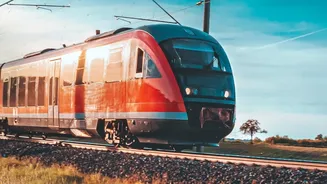
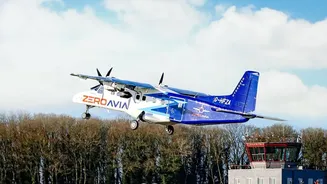
So, how does a train run on hydrogen? It’s a marvel of clean technology. The locomotive is essentially an electric train that generates its own power onboard. It carries hydrogen gas stored in high-pressure tanks. This hydrogen is fed into a fuel cell stack, where it combines with oxygen taken from the surrounding air. Through an electrochemical reaction, this process generates electricity, which then powers the train's motors. The beauty of this system is its only by-product: pure water vapour and some heat. There's no combustion, no engine roar, and absolutely no carbon dioxide, particulate matter, or other harmful pollutants released into the atmosphere.
Why Heritage Lines Are the Perfect Starting Point
Targeting the heritage lines first is a strategic decision. These routes often run through pristine natural environments and national parks where preserving the ecological balance is paramount. The diesel fumes and soot not only affect the local air quality but can also stain and degrade the old stations and infrastructure that are part of the railway's heritage charm. Furthermore, electrifying these difficult hilly terrains, with their numerous tunnels and sharp curves, is technically challenging and prohibitively expensive. An assessment for the Kalka-Shimla line, for instance, concluded that overhead electrification could harm the route's heritage value. Hydrogen trains offer a zero-emission solution without the need for extensive and disruptive infrastructure, making them an ideal fit for these special routes.
The Tangible Environmental Impact
The shift from diesel to hydrogen is not just a minor upgrade; it’s a complete transformation in environmental terms. A diesel locomotive emits a cocktail of pollutants, including carbon dioxide (CO2), nitrogen oxides (NOx), sulphur oxides (SOx), and fine particulate matter (PM2.5). These contribute to smog, acid rain, and respiratory health issues. A hydrogen train, by contrast, has zero tailpipe emissions. This means cleaner air for the tourists enjoying the scenic journey and for the local communities living along the tracks. It also means less noise pollution, as fuel cells operate much more quietly than diesel engines. By adopting this technology, Indian Railways is making a powerful statement in its commitment to its 'Net Zero' carbon emission target by 2030.
Challenges and the Road Ahead
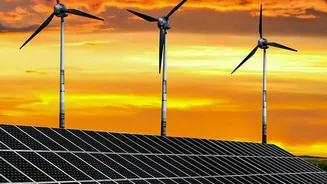
The path to a fully hydrogen-powered heritage railway network is not without its hurdles. The initial costs for both retrofitting trains and setting up the necessary ground infrastructure for hydrogen production and refuelling are high. There are also technical challenges related to storing hydrogen safely on board and ensuring a reliable supply chain. For the technology to be truly 'green', the hydrogen itself must be produced using renewable energy sources like solar or wind, a process known as green hydrogen production. The initial pilot project on the Jind-Sonipat section, which began in July 2026, is providing crucial real-world data on performance, safety, and operational logistics that will inform the wider rollout on the heritage lines. Despite low initial ridership on the pilot route, the project is a vital technology demonstrator for future expansion.