





Your New Creative Partner
The world of design is being reshaped by artificial intelligence, and for freelancers, this shift is a massive opportunity. Generative AI design tools are not about replacing human creativity; they are about augmenting it. Think of them as a hyper-efficient
assistant trained on millions of data points from existing designs, photography, and art. These platforms can automate repetitive and time-consuming tasks like brainstorming color schemes or gathering inspiration for a mood board, processes that used to take hours. By handling the grunt work, AI frees you up to focus on what clients actually pay for: strategy, creative direction, and a unique point of view. This allows you to deliver high-quality work faster, which is a significant advantage in the competitive freelance market.
From Hours to Seconds
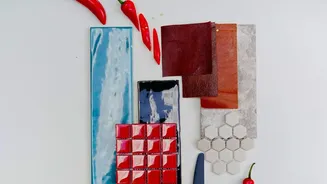
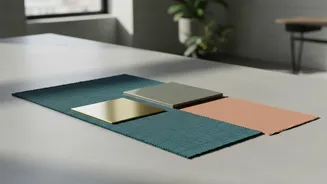
The most immediate benefit of integrating AI into your creative workflow is a dramatic increase in speed. Building a cohesive color palette or a compelling mood board is a foundational step in any branding or design project, but it can be a frustrating exercise in trial and error. AI tools shrink this process down to mere moments. Instead of manually searching for images or endlessly tweaking color values, you can generate dozens of options by hitting a button or writing a simple text prompt. This acceleration does more than just save time; it allows for broader exploration. In the time it would have taken to create one or two manual palettes, you can now generate twenty, giving you and your client more directions to choose from and increasing the chances of landing on the perfect concept early in the process. This efficiency gain can be as high as 60%, letting designers focus on more valuable tasks.
AI Tools for Instant Color Palettes
Choosing the right colors is critical, and several AI tools excel at this. Coolors is famous for its speed; you can generate a new five-color palette simply by pressing the spacebar, making it ideal for quick ideation. For a more personalized approach, Khroma asks you to pick 50 of your favorite colors and then trains a unique algorithm to generate palettes tailored to your specific taste. Another powerful tool is Huemint, which goes beyond just generating swatches by showing you how your color choices will look on actual branded materials like websites and logos. And for freelancers already invested in Adobe's software, Adobe Color is a natural fit, offering seamless integration with apps like Photoshop and Illustrator through Creative Cloud libraries.
Building Better Mood Boards with AI
Mood boards are essential for aligning with a client on a project's visual tone. AI streamlines this, too. While not a pure AI generator, Pinterest's powerful recommendation engine remains a top choice for gathering a wide range of inspirational images quickly. For a more structured approach, tools like Milanote offer a flexible digital canvas where you can arrange images, notes, and color swatches into a cohesive board. Canva has also integrated AI features into its popular platform, providing templates and smart suggestions to help build professional-looking mood boards even for those without a deep design background. Some newer, specialized tools can even generate entire mood boards from a single text prompt, pulling together images and color schemes that match your described aesthetic.
AI Is an Assistant, Not the Artist
While these tools are incredibly powerful, they are not a substitute for professional expertise. One of the primary concerns with AI-generated content is the potential for it to be generic or lack a unique human touch. An AI can suggest what is statistically popular, but it cannot understand the specific nuances of a client’s brand, audience, or long-term business goals. Furthermore, there are ongoing legal and ethical questions about intellectual property, as some AI models are trained on existing content without clear permission. The most successful freelancers will use AI as a starting point for inspiration or as a tool for rapid iteration, not as a final source of truth. Your professional judgment, taste, and ability to tell a compelling story are what turn an AI-generated idea into a polished, effective, and original final product.