



Why Embrace the Rain?
While many travellers pack their bags away during the monsoon, a growing number of backpackers are doing the exact opposite. They are actively seeking out the rain-drenched landscapes of the Indian subcontinent. The reason is simple: the monsoon transforms
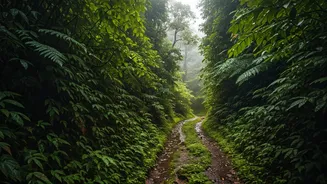
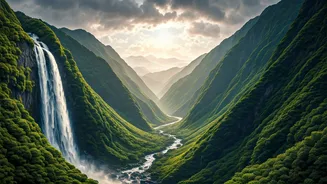
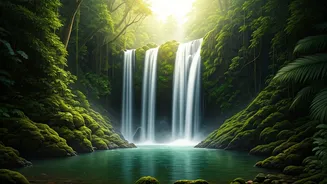
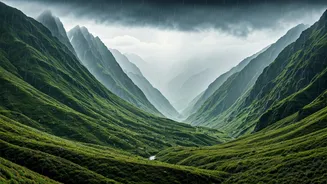
everything. Dry, brown hills explode into a thousand shades of impossible green. Dormant waterfalls roar back to life, cascading down cliffsides. The air, thick with the petrichor scent of wet earth, feels cleaner and more alive. Chasing mist-shrouded peaks isn't about enduring the rain; it's about experiencing a world washed anew, where nature is at its most dramatic, vibrant, and profoundly beautiful. It’s a sensory overload in the best possible way, offering solitude and spectacle in equal measure.
The Sahyadris, Maharashtra
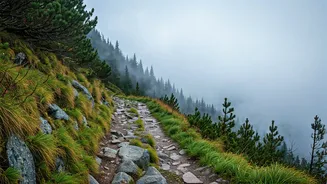
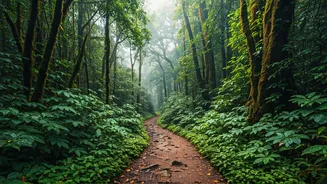
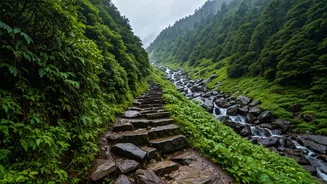
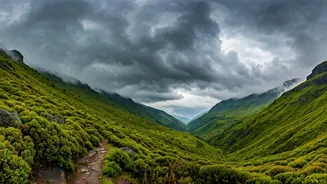
The Western Ghats, particularly the Sahyadri range in Maharashtra, become a trekker's paradise from June to September. Ancient forts like Rajmachi, Visapur, and Harishchandragad, which can seem stark in summer, are reborn amidst swirling clouds. Treks here involve navigating lush plateaus, crossing small streams, and being rewarded with views of valleys blanketed in fog. The trails are flanked by wildflowers and tiny, seasonal waterfalls appear around every corner. The challenge lies in the slippery, muddy paths, but the reward is standing atop a historic fort with clouds floating right past you. It’s an ethereal experience that feels like walking through a landscape painting.
Valley of Flowers, Uttarakhand
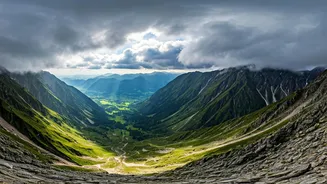
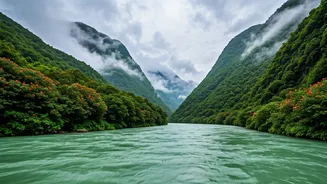
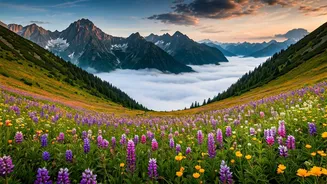
This UNESCO World Heritage Site is, quite literally, a product of the monsoon. The valley remains dormant and snow-covered for most of the year, but the arrival of the rains triggers a spectacular bloom. From July to early September, this high-altitude Himalayan valley is carpeted with over 300 species of alpine flowers, creating a breathtaking floral mosaic. Trekking to the valley from the base village of Ghangaria is a journey alongside the gushing Pushpawati River. The mist that often hangs over the valley only adds to its mythical charm, making the vibrant colours of the primulas, poppies, and orchids seem even more vivid against the grey-green backdrop of the mountains.
The Living Root Bridges, Meghalaya
If there is one place on Earth built to be experienced in the rain, it’s Meghalaya, the 'Abode of Clouds'. Home to some of the wettest places on the planet, this is where you don't just endure the rain—you celebrate it. The iconic living root bridges, masterpieces of bio-engineering grown by the Khasi tribes, are at their strongest and most integrated with the environment during the monsoon. Trekking to the Double Decker Root Bridge in Nongriat involves descending thousands of steps through a jungle teeming with life, crossing turquoise natural pools, and feeling the sheer power of the rain-fed ecosystem. It’s a humid, challenging trek that rewards you with an otherworldly sight straight out of a fantasy novel.
Gearing Up for the Deluge
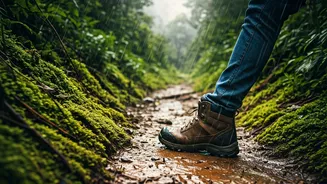
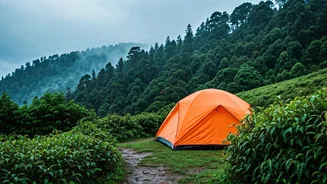
Chasing mountain showers requires smart preparation. Your gear is your best friend. A high-quality waterproof jacket and a poncho to cover both you and your backpack are non-negotiable. Opt for trekking pants made of quick-drying synthetic material; avoid jeans at all costs. Your footwear should have excellent grip for slippery rocks and muddy trails. Waterproof gaiters can prevent mud and leeches from getting into your boots. Inside your pack, line everything with a large plastic bag or use individual dry bags for electronics, clothes, and your sleeping bag. A final tip from veterans: always pack a salt pouch or a sanitiser spray. They are the most effective way to deal with the inevitable leeches you'll encounter on trails in the Western Ghats and Northeast.