






The Science of a Superfood
At the heart of beetroot's power is a high concentration of inorganic nitrates (NO3−). While nitrates in processed meats have a bad reputation, those found naturally in vegetables like beetroot, spinach, and arugula are a different story entirely. When
you consume these dietary nitrates, a fascinating biological process begins. This process is the key to unlocking the performance benefits that athletes and fitness enthusiasts are chasing.
The Nitrate to Nitric Oxide Pathway
The journey starts in your mouth. Bacteria on your tongue convert the nitrate (NO3−) from the beetroot into nitrite (NO2−). Once swallowed, this nitrite is then converted into nitric oxide (NO) in the stomach and other parts of the body. Nitric oxide is a powerful molecule known as a vasodilator. This means it signals the smooth muscles in your blood vessel walls to relax, causing the vessels to widen. This widening effect increases blood flow, allowing more oxygen and essential nutrients to be delivered efficiently to your working muscles. Think of it as upgrading your body’s internal delivery system.
Fuelling Explosive Movements
So, how does better blood flow help with sprinting? Intense, short-duration activities like sprinting, HIIT, and team sports place huge demands on your muscles for immediate power and energy. By improving the delivery of oxygen and nutrients, nitric oxide can help your muscles work more efficiently and powerfully. Some research suggests this can enhance muscle power, sprint ability, and performance in high-intensity intermittent exercise. This improved efficiency means your muscles may be able to produce more force and resist fatigue for slightly longer, which can be the difference-maker in explosive efforts.
What 'Micro-Dosing' Actually Means
The term "micro-dosing" in this context isn't about drugs; it refers to a consistent, strategic supplementation plan. Instead of chugging a large amount of juice right before a race and hoping for the best, the strategy involves taking smaller, effective doses regularly. Research suggests that consuming beetroot juice daily for several days leading up to an event—a practice known as 'loading'—can build up plasma nitrite levels for a more sustained benefit. A single dose is still effective when timed correctly, but this loading protocol is about maximising potential.
How to Try It: Dosage and Timing
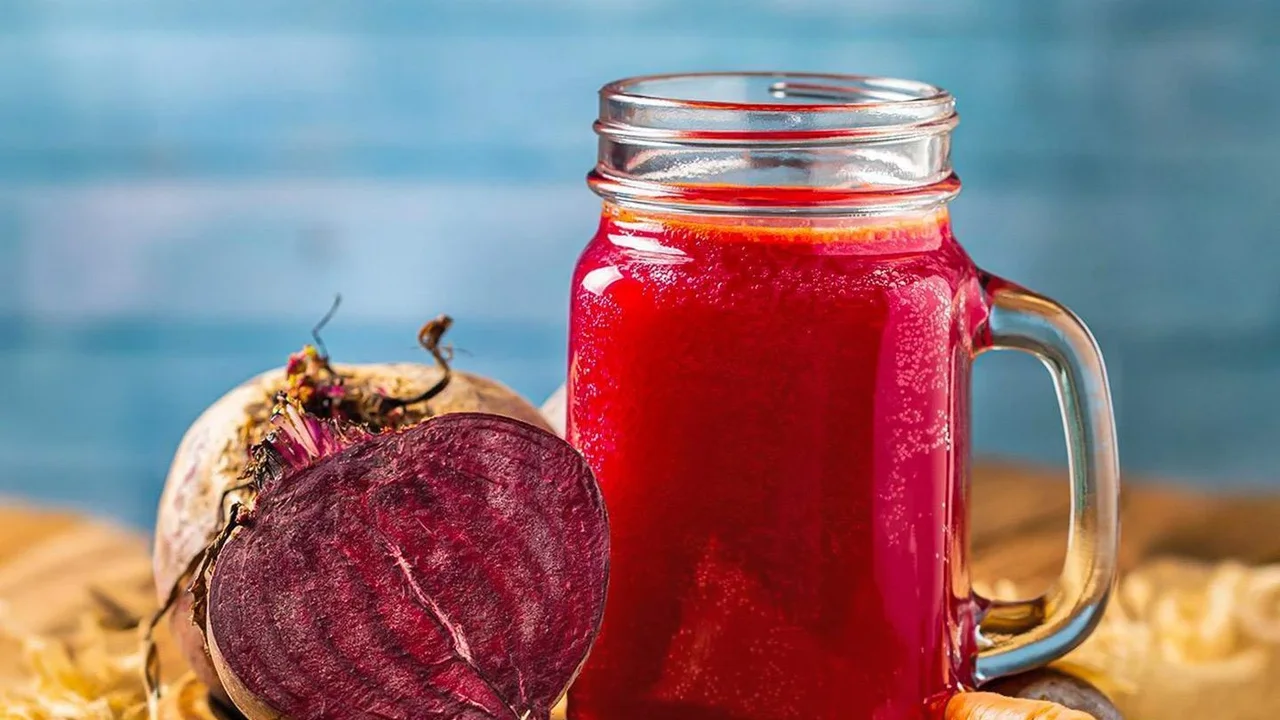
For athletes looking to tap into these benefits, timing and dosage are crucial. Studies showing performance benefits typically use a dose of 300-500 mg of nitrate. This equates to about one to two concentrated 70ml beetroot 'shots' or a larger glass (around 500ml) of regular beetroot juice. To catch the peak nitric oxide conversion, this dose should be consumed about 2-3 hours before your workout or competition. Using it before one or two of your hardest sessions per week is a practical way to see if it works for you before committing to a pre-race loading phase.
Potential Risks and Side Effects
While generally safe, there are a few things to be aware of. The most common and harmless side effect is 'beeturia'—pink or red urine and stools. Some people may also experience gastrointestinal discomfort like bloating or an upset stomach. Because beetroot is high in oxalates, those with a history of kidney stones should be cautious and consult a doctor. Furthermore, due to its ability to lower blood pressure, individuals who already have low blood pressure or are on blood pressure medication should speak with a healthcare provider before adding concentrated beetroot juice to their regimen.