



A Crimson Cloud of Creation
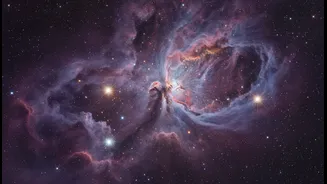
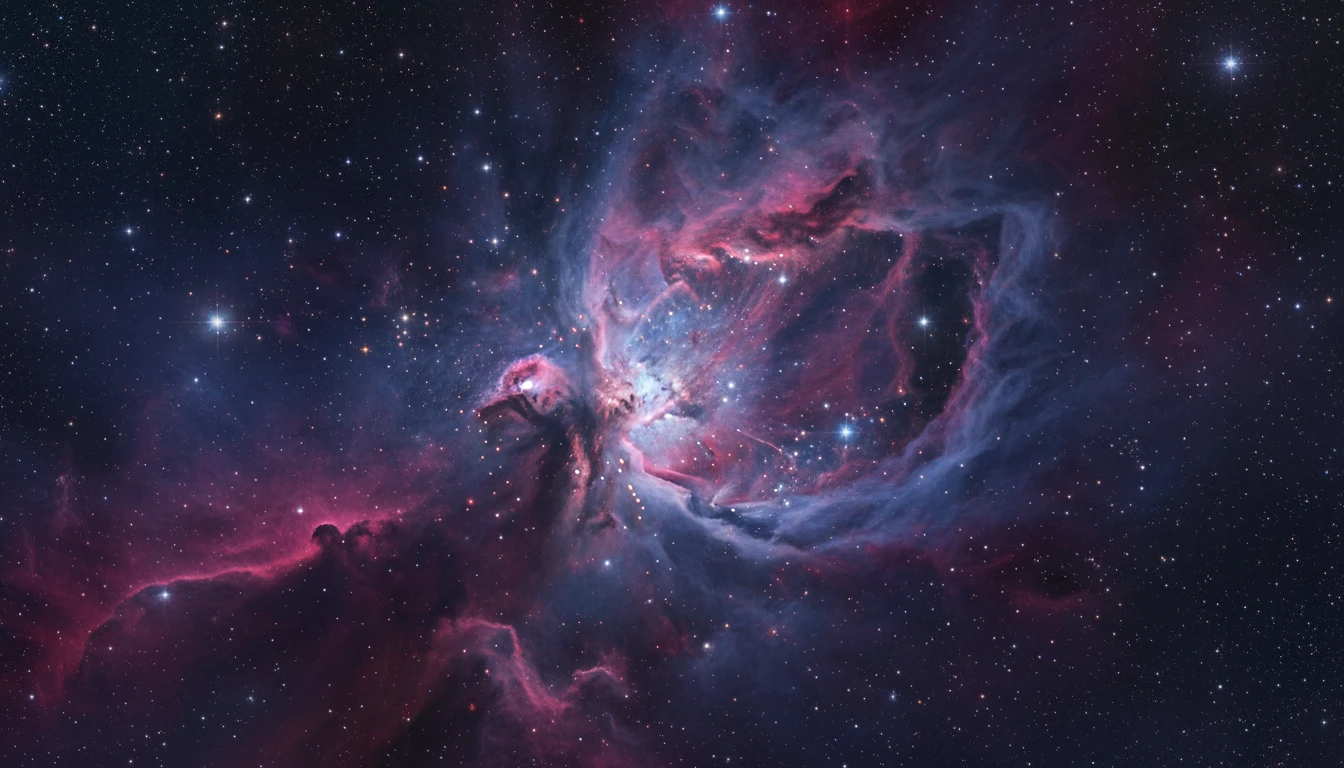
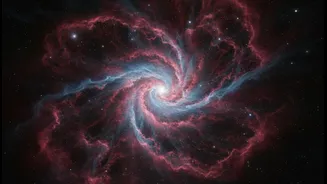
The new image reveals a spectacular view of LH 95, a vast star-forming region located in the Large Magellanic Cloud, a neighbouring dwarf galaxy. What we see is a celestial landscape resembling fireworks shining through drifting smoke, where brilliant
blue and white stars sparkle against glowing crimson clouds. This dazzling display isn't just for show. The nebula’s vibrant red glow is the unmistakable signature of hydrogen gas being energized by intense radiation, a clear sign that new stars are actively being born within. Dark, thick lanes of cosmic dust thread through the scene, marking the dense areas where the next generation of stars is waiting to ignite.
What Are We Actually Seeing?
At its heart, LH 95 is a stellar nursery, a place where clouds of gas and dust collapse under gravity to form stars. This particular nursery is incredibly busy, containing thousands of young stars still in their developmental stages. The most prominent stars in the image are the massive, hot, blue giants. These titans, some many times the mass of our own Sun, are the primary architects of their environment. They unleash powerful stellar winds and flood the region with ultraviolet radiation, heating and sculpting the surrounding gas clouds into the intricate shapes Hubble has now captured.
The Science Behind the Spectacle
This new observation of LH 95 is more than just a pretty picture; it's a valuable dataset for understanding stellar evolution. By studying this region, astronomers have found that developing stars can continue to pull in material from the gas and dust disks that surround them for millions of years, a longer period than previously thought. This extends a crucial phase of stellar growth. Furthermore, LH 95 contains multiple generations of stars living side-by-side, offering scientists a unique opportunity to study how star formation unfolds over time in a single environment. Observing how the massive, older stars influence the formation of their younger, lower-mass siblings provides key insights into the life cycle of entire star clusters and galaxies.
An Enduring Legacy in Orbit
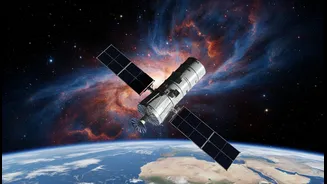
This remarkable image is another testament to the enduring power of the Hubble Space Telescope. Launched in 1990, Hubble has fundamentally changed our understanding of the universe and continues to be a vital scientific instrument. Even with the advent of newer technologies like the James Webb Space Telescope, Hubble's unique ability to observe in visible and ultraviolet light provides complementary data that is crucial for a comprehensive picture of the cosmos. Each new image serves as a reminder of the incredible return on investment that long-term scientific projects can provide, continuing to deliver groundbreaking discoveries and inspire wonder more than 30 years after leaving Earth.