





The New Face of Food Labels
For years, understanding the health impact of a packaged food item required flipping it over and deciphering a complex nutritional table. That is set to change. The Food Safety and Standards Authority of India (FSSAI) has proposed a new Front-of-Pack
Labelling (FoPL) system to make things clearer. The goal is to provide simple, visible warnings on products that are high in salt, sugar, or saturated fat — nutrients linked to rising rates of obesity and non-communicable diseases like diabetes and hypertension. Following a push from the Supreme Court, the FSSAI is now moving towards mandatory warning labels, which will help consumers make faster, more informed decisions at a glance.
Meet the Red Hexagon
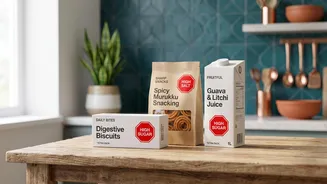
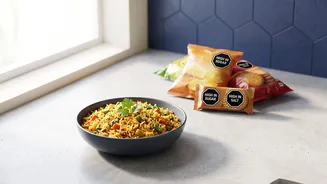
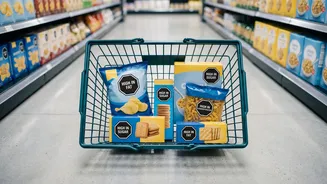
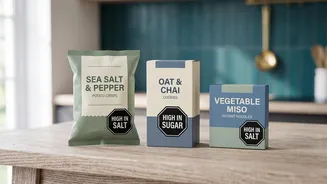
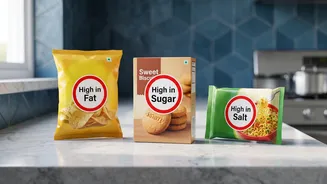
Instead of a confusing star-rating system that was previously discussed, the new proposal involves a simple and direct warning sign. Picture a prominent red hexagon on the top-left corner of a food package. Inside this hexagon, you will find clear text like “HIGH SUGAR,” “HIGH SALT,” or “HIGH FAT.” If a product exceeds the recommended limits for more than one of these, they will all be listed within a single hexagon. This system is designed to be an unmissable signal, drawing your attention to specific nutrients of concern. The thresholds for what is considered 'high' will be based on the latest Dietary Guidelines for Indians from the National Institute of Nutrition (ICMR-NIN).
Decoding Sugar's Many Disguises
The new labels will primarily target 'added sugar,' which is the sugar that manufacturers add during processing, not the sugars naturally present in fruits or milk. This is the type most associated with health risks. While waiting for the new labels, you can still be a sugar detective. Check the ingredients list on the back of the pack. Ingredients are listed in descending order by weight, so if sugar (or one of its many aliases like corn syrup, fructose, dextrose, or maltose) is one of the first few ingredients, the product is likely high in added sugar. An average Indian consumes far more sugar than recommended, and a single can of a sweetened beverage can contain up to 10 teaspoons of free sugars.
Sizing Up Salt and Fat
Like sugar, salt is a major concern, with average Indian consumption being nearly double the World Health Organization's recommended daily limit of 5 grams. The new red hexagon will flag products “HIGH IN SALT.” In the meantime, look for sodium on the nutrition panel. Be mindful of serving sizes; a 'per serving' amount might seem small, but if you consume the whole packet, your intake can quickly multiply. When it comes to fat, the focus is on saturated fat and trans fat. The proposed FSSAI labels will specify “HIGH FAT” based on saturated fat content. You should also check the ingredients for “partially hydrogenated oils” or “vanaspati,” which are key sources of harmful trans fats.
Your Practical Shopping Strategy
These labels are not meant to make you fear food, but to empower you with information. When the new hexagonal warnings roll out, they will provide a powerful shortcut for comparing products. For example, when choosing between two brands of instant noodles or breakfast cereals, a quick glance for the red hexagon can help you pick the one with a better nutritional profile. Don’t aim for perfection. Instead, use these labels to make small, gradual improvements. Start by comparing just one category of products you buy regularly. Over time, these informed swaps can make a significant difference to your overall diet without feeling restrictive. Remember, a warning label is just one piece of information; it should be considered alongside the full ingredient list and your overall dietary habits.