





From Forest Floor to Fine Dining
For generations, India’s vast forests have been a source of nourishment for Adivasi and other local communities. These communities possess a deep, inherited knowledge of wild edibles — from flowers and fruits to ferns and fungi. For a long time, this
culinary wisdom remained hyper-local, undocumented, and largely invisible to urban India. That’s changing. A growing movement is bringing these foraged ingredients, often called 'forest ingredients' or 'wild foods', into the mainstream. This isn’t just about adding exoticism to a dish; it’s about rediscovering a lost pantry, one that is intrinsically tied to India’s diverse ecosystems and indigenous cultures. From high-end restaurants in Mumbai and Delhi to passionate home cooks, people are looking past cultivated produce to explore flavours that are untamed, seasonal, and deeply rooted in the land.
The Chefs Championing the Wild
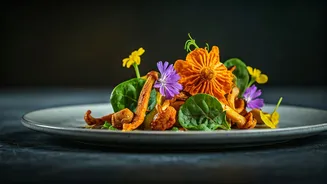
This shift is being led by a new generation of chefs who see themselves as storytellers and preservationists, not just cooks. They are travelling to remote corners of the country, learning from local communities, and translating that knowledge into modern culinary experiences. Chefs like Thomas Zacharias, formerly of The Bombay Canteen, and Prateek Sadhu, who co-founded Masque in Mumbai, have been pioneers in this space. Their menus have featured ingredients that most urban diners had never heard of, let alone tasted. By putting a spotlight on these foods, they do more than create exciting new dishes; they create a conversation around them. This has sparked curiosity among diners and inspired other chefs to explore their own regional biodiversity, creating a ripple effect across the country's food landscape. The goal is to build a new Indian culinary identity that celebrates indigenous produce and the people who have safeguarded it for centuries.
Spotlight on the Ingredients
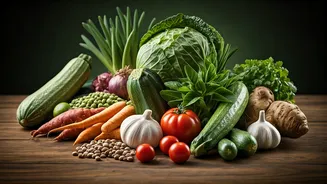
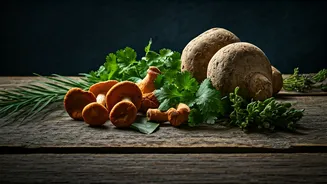
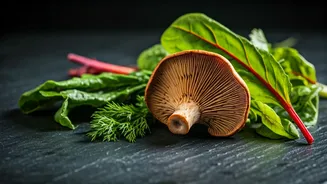
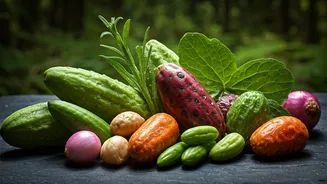
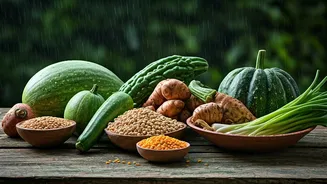
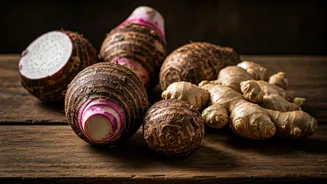
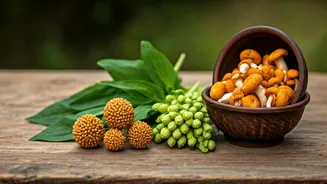
So, what are these ingredients? The list is as vast as India’s geography. In central India, the flower of the Mahua tree is a prime example. Traditionally fermented to create a potent spirit, chefs are now using its honey-like sweetness to craft desserts, sauces, and even bread. In the Himalayas, Fiddlehead Ferns, known locally as ‘lingdi’ or ‘kasrod’, are a seasonal delicacy. With a flavour profile somewhere between asparagus and green beans, they are now appearing in salads, stir-fries, and pickles in city restaurants. From the coasts, you might find foraged sea purslane, a succulent with a natural saltiness. Then there are berries like jamun and kafal, wild mushrooms from the Western Ghats, and countless varieties of uncultivated greens ('saag') that offer complex flavours far beyond spinach or mustard greens. Each ingredient carries a story of its place, season, and the community that has traditionally harvested it.
More Than Just a Food Trend
Calling this a 'trend' almost does it a disservice. It’s a movement with profound implications. For one, it’s a powerful step towards sustainability. Foraged foods require no industrial farming, pesticides, or extensive irrigation, reducing the environmental footprint of what we eat. Economically, creating a market for these ingredients can provide a dignified and sustainable livelihood for forest-dwelling communities, giving them an economic incentive to protect their local biodiversity. Culturally, it represents a decolonisation of the Indian plate. For too long, Indian cuisine in the popular imagination was defined by a handful of Mughlai or Punjabi dishes. This movement celebrates a far more diverse and ancient food heritage. It’s about flavour, but it's also about identity, ecology, and social equity. It challenges us to reconsider what 'Indian food' really means.