


A Nutritional Powerhouse
One of the primary drivers of the mushroom's ascent is a growing health consciousness among Indian consumers. Mushrooms are low in calories and fat, yet packed with essential nutrients like B vitamins, potassium, and selenium. They are a good source of dietary
fibre, which aids digestion, and contain powerful antioxidants. As more people seek out nutrient-dense foods, the humble mushroom stands out as a superfood that doesn't compromise on taste. This makes them an ideal ingredient for those looking to maintain a balanced diet without sacrificing flavour.
The Perfect Plant-Based Alternative
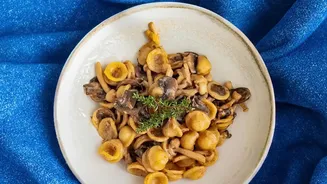
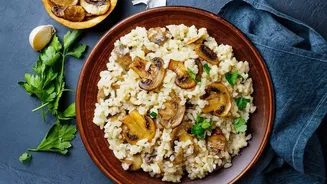
The rise of vegetarianism and veganism in India has created a massive demand for satisfying meat substitutes, and mushrooms fit the bill perfectly. With their 'meaty' texture and capacity to absorb flavours, varieties like portobello and shiitake provide a satisfying chew that is often missing in plant-based cooking. Their inherent savoury quality, known as umami, allows them to replace meat in a range of popular dishes, from rich curries and biryanis to kebabs and burgers, making them a go-to for modern home cooks and chefs alike.
An Explosion of Culinary Variety
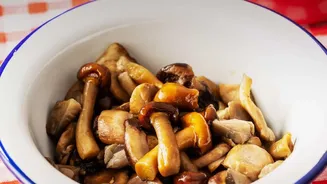
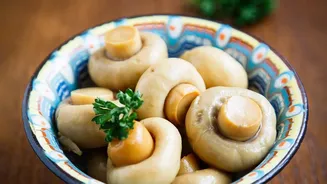
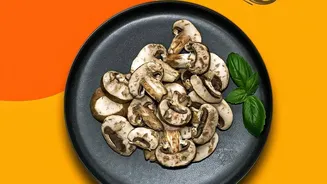
The Indian foodie's palate is more global than ever, and the availability of diverse mushroom varieties reflects this trend. While button mushrooms were once the only option, today's markets and online stores offer a wide array of choices, including oyster, shiitake, enoki, and even prized wild morels (guchchi). This culinary exploration is transforming Indian kitchens. Shiitake mushrooms add a smoky depth to stir-fries, while delicate oyster mushrooms are perfect for quick sautés. This variety empowers home cooks to experiment with global cuisines and elevate their everyday meals. The Indian mushroom market is expanding rapidly, with cultivation of new varieties meeting the growing demand.
The Magic of Umami
The secret to the mushroom's deep, satisfying taste lies in umami, the fifth basic taste described as savoury or 'brothy'. While the term is Japanese, the taste has always been present in Indian cooking through ingredients like tomatoes, fermented foods, and slow-cooked onions. Mushrooms are a potent natural source of glutamates, the compounds that trigger the umami sensation. This makes them a powerful ingredient for adding complexity and depth to any dish. When sautéed, roasted, or added to a gravy, mushrooms release this rich flavour, enhancing the entire meal and providing a satisfying richness that leaves you wanting more.
Gourmet Dining at Home
Increased exposure to global food trends through travel and media has inspired a new generation of Indian foodies to replicate restaurant-quality experiences at home. Exotic mushrooms, once found only in high-end restaurants, are now more accessible. The ability to cook with ingredients like portobello, shiitake, or even the rare guchchi allows home chefs to feel more connected to the gourmet world. This trend is not just about taste, but also about the experience of cooking and sharing sophisticated, flavourful meals that feel both modern and special. As the market for fresh and processed mushrooms grows, this trend is set to continue.