






Beyond the Foodie Checklist
Planning a trip around food is one of life's great joys. We scroll through blogs, save recommendations, and book tables months in advance, treating dining like a series of landmarks to be conquered. The problem with this 'checklist' approach is that it can
create pressure, turning meals into performances rather than moments of discovery. It prioritizes the acclaimed over the authentic, often leading travelers to polished establishments designed for tourists. These places may serve excellent food, but they rarely offer a genuine window into the local culture or the daily rhythm of a destination. The most memorable culinary experiences are often the ones you don't plan for, found a few blocks away from the main tourist thoroughfares.
The Magic of the Mundane Meal
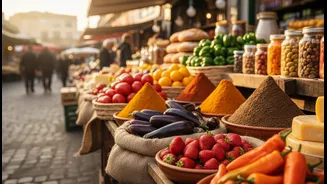
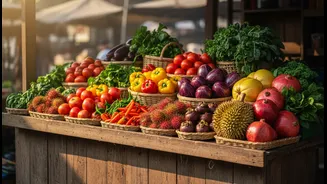
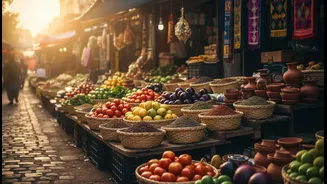
The real soul of a destination's food scene is not in its Michelin-starred restaurants, but in the places where locals eat every day. Think of the bustling morning market where vendors sell seasonal fruit and fresh bread, the street food stall with a long line of office workers, or the small, family-run eatery with a menu written only in the local language. These are the places where recipes have been passed down through generations and where food is an integral part of community life. Choosing these spots supports independent businesses and helps preserve local food heritage. More importantly, it offers a richer, more immersive experience. It’s about tasting a dish that tells a story about the region's history and connecting with the people who make it.
How to Find Your Everyday Feast
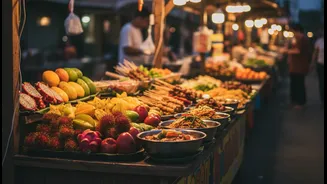
Finding these hidden gems is easier than you might think. It starts with curiosity and a willingness to wander. A great first stop is a local farmers market. Talk to the vendors; they supply the city's restaurants and know who is cooking with the best ingredients. Another simple but effective strategy is to ask locals for recommendations. But instead of asking for the 'best' restaurant, which might lead them to suggest a fancy place they think a tourist would want, ask where they personally love to eat on a regular day. Don't be afraid to try street food, especially from vendors who are popular with locals. And perhaps the most important tip is to simply get lost. Step away from the main attractions and explore residential neighborhoods, looking for unassuming spots with lively local energy.
Striking the Perfect Balance
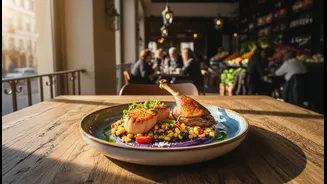
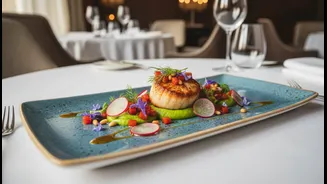
This philosophy isn't about shunning fine dining altogether. That one special, splurge-worthy meal can be a spectacular highlight of any trip. The key is balance. An ideal culinary itinerary should feel layered and natural, not rigid. By all means, book that celebrated restaurant, but also leave entire afternoons and evenings open for spontaneity. Alternate your big, indulgent meals with lighter, more casual fare from markets and street vendors. This approach is not only more affordable but also prevents palate fatigue, keeping your sense of anticipation high. A thoughtful schedule pairs active exploration with casual lunches, reserving slower evenings for more composed dinners. This way, you get the best of both worlds: the thrill of a world-class dining experience and the quiet joy of a spontaneous discovery.