







The Midnight Heat Trap
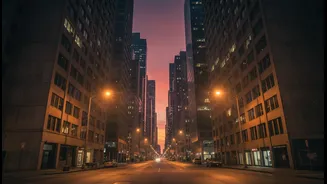
Across India's bustling metropolises, a silent phenomenon is unfolding long after the sun goes down. While surrounding rural areas cool, vast pockets of our cities remain stubbornly, dangerously warm. This is the Urban Heat Island (UHI) effect, and it’s
turning our nights into thermal traps. Studies show that dense urban cores can be several degrees hotter than their non-urban counterparts, a difference that becomes starkly clear after midnight. For example, a report noted that Delhi's city centre cools down by only 8.5°C at night, whereas its outskirts see a more significant drop of 12.2°C. This creates hazardous thermal anomalies, where the built environment prevents the natural cooling cycle that our bodies rely on to recover from daytime heat.
Our Concrete Jungles Are Storing The Sun
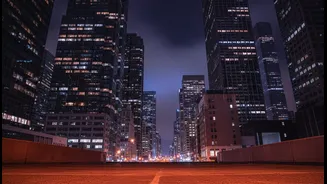
The primary culprits behind this hazardous nighttime heat are the materials we use to build our cities: concrete, asphalt, and glass. These materials have a high thermal mass, meaning they are exceptionally good at absorbing and storing the sun's radiation during the day. Unlike natural landscapes with soil and vegetation that cool down through moisture release and shade, urban surfaces act like massive heat batteries. After sunset, while natural ground cools by releasing heat into the atmosphere, these dense materials start a slow, prolonged release of all the energy they've stored, radiating warmth back into the city air for hours. This process is why indoor temperatures in some urban homes can peak as late as 8 or 9 p.m. and remain dangerously high well into the early morning.
A Growing Public Health Crisis
This persistent nighttime heat is more than just a matter of discomfort; it's a significant and escalating public health threat. The human body needs to cool down during sleep to repair and recover from daily stress. When nights remain hot, this crucial recovery process is disrupted, leading to poor sleep quality. Recent studies show residents in cities like Chennai, Mumbai, and Delhi are losing between 67 and 93 hours of sleep annually due to warm nights. Chronic sleep deprivation is linked to severe health issues, including hypertension, diabetes, and cardiovascular disease. The continuous heat stress puts immense strain on the heart and other organs, with doctors warning that the body is left without a chance to recuperate. This is especially dangerous for vulnerable populations, including the elderly, children, and those with pre-existing health conditions.
The Human and Environmental Cost
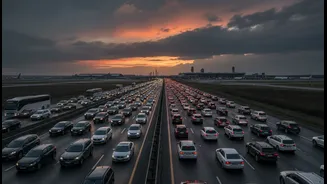
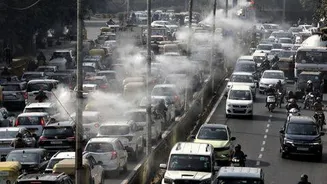
The impacts extend beyond individual health. The relentless heat drives up demand for air conditioning, putting a massive strain on urban power grids and increasing energy consumption. This, in turn, can lead to higher greenhouse gas emissions if the electricity is sourced from fossil fuels. Moreover, the dense, tall buildings that characterise modern cities can trap air pollutants at ground level, which are then 'cooked' by the heat, worsening air quality. For India's vast informal workforce, who often labour in heat-exposed conditions and live in poorly ventilated homes made of heat-trapping materials, the effect is twofold: a greater risk to their health and a direct impact on their productivity and earnings.
Can We Design Cooler Cities?
The good news is that the deadliest impacts of this phenomenon are not inevitable. Urban planners and policymakers in India are increasingly looking at nature-based solutions and smarter design to combat the UHI effect. Strategies include promoting 'cool roofs' with reflective coatings that absorb less heat, which can reduce indoor temperatures by 2 to 5°C. Increasing green infrastructure is another powerful tool; planting more trees, creating green corridors, and restoring water bodies can lower local temperatures by providing shade and cooling through evapotranspiration. Studies have shown that simply increasing a neighbourhood's tree cover by 5% can reduce temperatures by 1°C. Re-evaluating building codes to favour heat-resilient materials over conventional concrete is also a critical step toward creating more liveable and sustainable urban environments for the future.