





The Concrete Jungle Heats Up
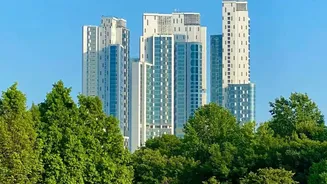
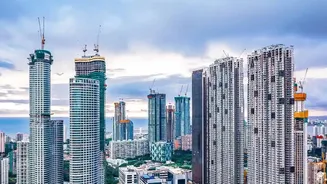
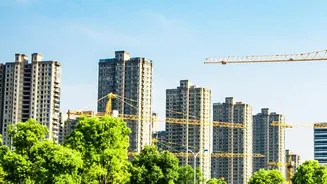
Our cities are getting hotter, and it’s not just due to climate change at large. As urban areas in India expand, they replace natural landscapes like parks, fields, and tree groves with concrete, asphalt, and glass. These materials are excellent at absorbing
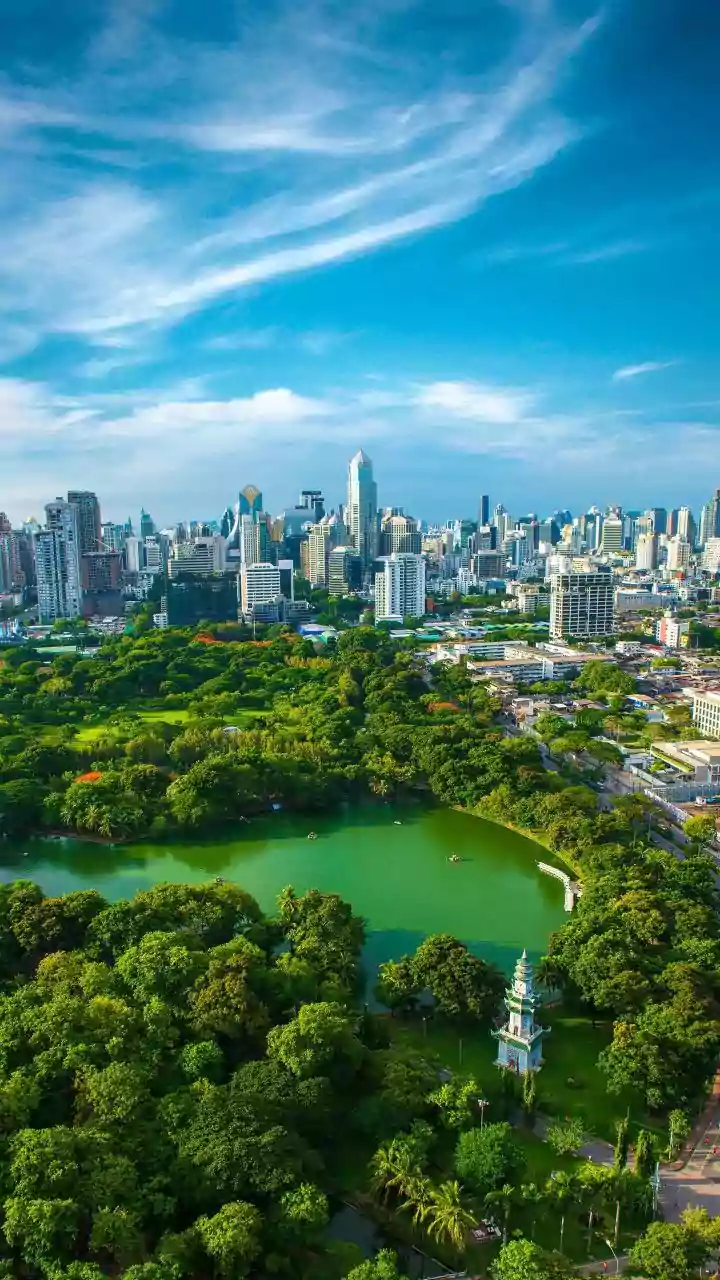
and retaining heat from the sun during the day. After sunset, they radiate this stored heat back into the environment, creating what is known as the Urban Heat Island (UHI) effect. This phenomenon keeps city temperatures significantly warmer than those in surrounding rural areas, especially at night. Green spaces, like parks and tree-lined streets, act as natural air conditioners. Through shade and a process called evapotranspiration, they can cool local temperatures dramatically, sometimes by several degrees. When we lose these green areas, we lose their cooling benefits, leading to the creation of intense, localised hot spots or 'microclimates' that make our urban environments warmer and less comfortable.
How Heat Steals Your Sleep
This sustained nighttime heat directly interferes with our ability to get restful sleep. For our bodies to initiate and maintain sleep, a slight drop in core body temperature is necessary. This is a natural, biological process. However, when your bedroom environment remains stubbornly warm due to the UHI effect, your body struggles to cool down. Research shows that elevated ambient temperatures at night are linked to increased wakefulness, difficulty falling asleep, and a reduction in the most restorative stages of sleep, like REM sleep. Studies have found that even a one-degree rise in nighttime temperature can noticeably reduce sleep duration. This leads to waking up feeling fatigued, brain fog, and a general lack of restoration, a common complaint in many Indian cities during peak summer months.
Our Body's Clock Out of Sync
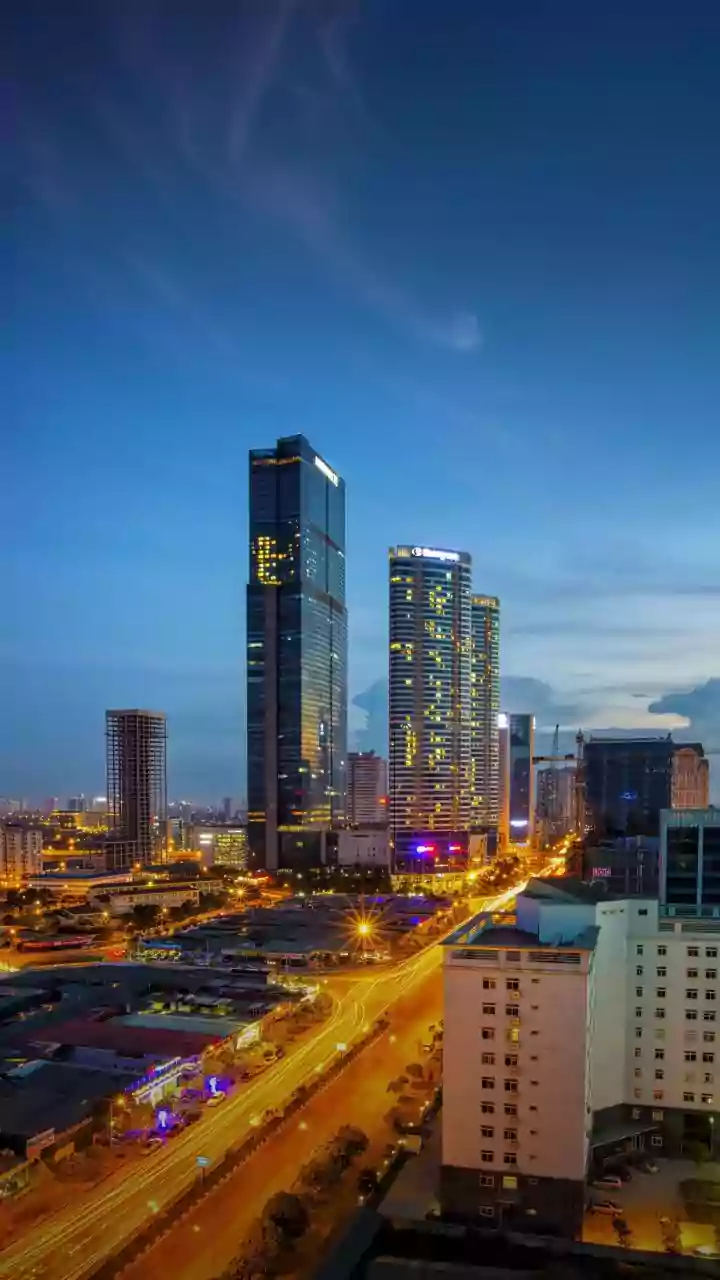
The problem isn't just heat; it's also about light. The body's internal 24-hour clock, or circadian rhythm, governs our sleep-wake cycle. This clock is primarily synchronised by environmental cues, with light being the most powerful. Urban environments disrupt this in two ways. Firstly, the 'warm night crisis' caused by the UHI effect sends a confusing signal. Our bodies have evolved to associate the coolness of the night with rest. When heat and darkness are out of sync, it can disrupt our internal rhythms. Secondly, developing cities are bathed in artificial light at night (ALAN) from streetlights, buildings, and billboards. This light pollution can suppress the production of melatonin, the hormone that tells your body it's time to sleep, further confusing your internal clock. This dual assault of excessive heat and light creates an environment where our ancient biological rhythms are constantly battling modern urban realities.
The Indian Urban Experience
In rapidly urbanising Indian cities, this problem is particularly acute. The pressure for housing and infrastructure often leads to the sacrifice of green spaces. For instance, cities like Mumbai and Chennai have a per capita green space far below the UN-recommended standard of nine square metres. Unplanned development contributes to worsening UHI effects and air pollution, which further compound health issues. Studies have already linked the reduction in green space in areas around Hyderabad to increased cardiometabolic risk factors like hypertension. Research focusing on five major Indian cities—Bengaluru, Chennai, Delhi, Kolkata, and Mumbai—found that even a modest 1% increase in green cover could prevent hundreds of premature deaths annually, highlighting the profound public health impact. This makes the preservation and strategic creation of urban green spaces not just an aesthetic choice, but a critical public health necessity.
Planning for a Cooler, Restful Future
Addressing this challenge requires integrating health and nature into urban planning. The solution lies in 'nature-based solutions'—thinking of green spaces as essential infrastructure. This includes protecting existing parks, planting more trees along streets, creating 'green belts' around industrial zones, and even installing green roofs and walls. Programmes like India's Smart Cities Mission have begun to recognise the importance of open spaces, but a more strategic, connected vision is needed. The goal should be to create a network of green and blue spaces (like lakes and rivers) that are accessible to all residents, helping to cool the city, reduce pollution, and provide restorative environments that allow our bodies' natural rhythms to function as they should. By reinvesting in urban nature, we can build more resilient, healthier, and more restful cities for everyone.