







1. The Rise of 'Skinimalism'
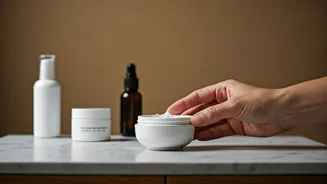
The most significant driver behind this shift is a cultural movement known as 'skinimalism'. It’s a direct response to years of being told that more is more. Consumers, particularly in India, are feeling fatigued by complicated, time-consuming routines
that don't always deliver on their promises. Instead of chasing fleeting trends and layering a dozen products, the focus is shifting to achieving healthy, glowing skin with a handful of effective essentials. This isn’t about neglect; it’s about intention. Skinimalism encourages you to understand your skin's actual needs and use only what’s necessary. The goal is no longer a flawless, poreless, filter-like finish, but real, breathable skin that’s healthy from within. It’s an acceptance of texture and authenticity over an unachievable ideal.
2. The 'Skin-flation' Effect
Let’s be practical: a 10-step routine is expensive. With the rising cost of living, a phenomenon dubbed 'skin-flation' has made consumers rethink where their money goes. Dropping thousands of rupees on multiple products every few months is becoming less feasible and less desirable. The 2026 consumer is a savvy one, looking for value and efficacy. They would rather invest in one or two high-quality, multi-tasking products than a basket full of mediocre ones. This economic pressure is forcing a re-evaluation of beauty consumption. Brands are responding by formulating products that do more with less—think serums with multiple active ingredients or moisturisers that also offer sun protection and barrier support. It’s about being smart with your budget without compromising on results.
3. The Dermatologist's Verdict Is In
For years, dermatologists have been cautioning against the overuse of potent active ingredients. The trend of 'skincare cocktailing'—mixing multiple acids, retinoids, and vitamin C without proper knowledge—has led to a surge in compromised skin barriers. We're seeing more cases of irritation, redness, sensitivity, and breakouts caused not by a lack of care, but by too much of it. The expert advice for 2026 is clear: simplify. A gentle cleanser, a targeted serum, a good moisturiser, and daily sunscreen are the cornerstones of a healthy routine. By stripping back to basics, you allow your skin to breathe, heal, and function as it should. This expert-led guidance is empowering people to ditch the complicated steps and trust in a consistent, gentle approach.
4. A Growing Eco-Consciousness
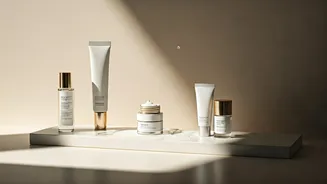
The beauty industry has a significant environmental footprint, from sourcing ingredients to packaging. Today’s consumers are increasingly aware of this impact. A routine with ten products means ten plastic bottles, ten boxes, and a larger carbon footprint from manufacturing and shipping. Simplifying your routine is a direct way to reduce personal waste. This eco-conscious mindset is driving a demand for brands that offer sustainable packaging, refillable options, and water-conscious formulas. A shorter shelf of products isn't just good for your skin and your wallet; it’s a small but meaningful step towards a more sustainable lifestyle. By 2026, a 'green' vanity will be defined not by the number of 'clean' products it holds, but by its minimalist, low-waste nature.
5. The Power of Multi-Tasking Heroes
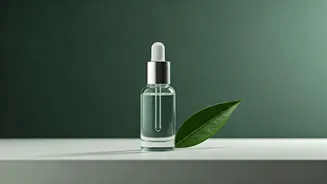
The final piece of the puzzle is product innovation. The future of skincare isn't about more products, but smarter ones. Cosmetic chemists are now focusing on creating sophisticated formulas that deliver multiple benefits in a single bottle. Think of a hydrating moisturiser infused with niacinamide to control oil and refine pores, or a vitamin C serum that also contains antioxidants and SPF. These multi-tasking heroes are the backbone of the simplified routine. They save time, money, and counter space while delivering potent, targeted results. This focus on efficacy over quantity allows users to build a powerful yet minimal routine that effectively addresses their concerns without overwhelming their skin.