




Understanding the Monsoon Mountain Risk
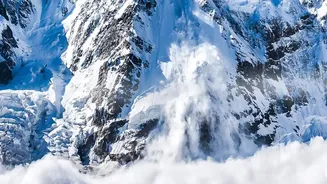
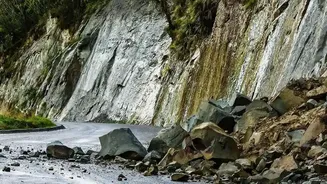
During the monsoon, which typically lasts from June to September, mountain slopes become saturated with water. This added weight and lubrication can cause soil and rock to give way, leading to landslides that can block roads or, in the worst cases, sweep
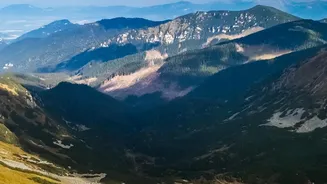
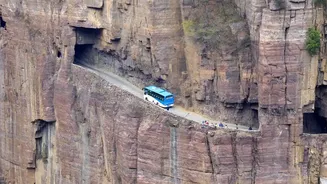
vehicles away. Areas with a history of landslides, recent construction, or deforestation are particularly vulnerable. Intense or prolonged rainfall is the biggest trigger, meaning that a clear morning can quickly turn into a hazardous afternoon. Many popular hill stations in states like Himachal Pradesh, Uttarakhand, and parts of Kerala and the Northeast are located in these high-risk zones.
Before You Go: Planning and Preparation
Your safety checklist should start long before you get in the car. First, closely monitor weather forecasts from reliable sources like the India Meteorological Department (IMD) and check for any advisories from the National Disaster Management Authority (NDMA) or State Disaster Management Authorities (SDMAs). It's wise to build buffer days into your itinerary to account for unexpected road closures or delays. Before you leave, check the real-time status of highways and local roads; many state police and disaster management bodies now provide online updates. Finally, if heavy rainfall warnings (like an 'orange' or 'red' alert) are issued for your destination or route, the safest decision is to postpone your trip.
On the Road: Safe Driving Practices
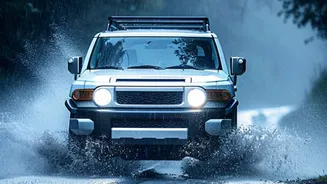
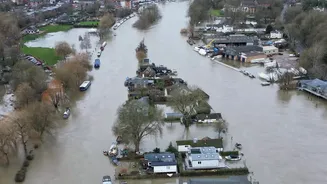
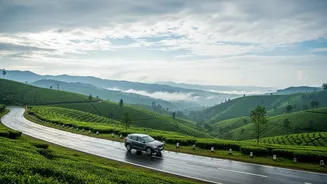
Mountain driving during the monsoon demands your full attention. Reduce your speed significantly, as wet roads increase braking distance and the risk of hydroplaning. Keeping your headlights on, even during the day, improves visibility for you and other drivers. Maintain a generous following distance from the vehicle ahead. Avoid driving at night if possible, as fog and rain can severely reduce visibility, making it harder to spot debris or damaged road sections. It is also crucial to never stop your vehicle in areas marked as landslide-prone zones. If you encounter a flooded road, do not attempt to drive through it; as little as 12 inches of moving water can sweep a car away.
Recognising Imminent Landslide Warnings
Nature often provides warning signs before a landslide. Be alert for unusual sounds like rumbling, trees cracking, or boulders knocking together. Visually, watch for new cracks appearing in the ground or pavement, leaning trees or poles, and soil moving away from foundations. A sudden change in water flow in nearby streams—either a rapid increase or decrease, or water turning from clear to muddy—can indicate landslide activity upstream. If you spot any of these signs, evacuate the area immediately and inform local authorities.
Your Monsoon Emergency Kit
Being prepared for the unexpected is key. Your vehicle should be equipped with an emergency kit that includes extra food and water, flashlights with spare batteries, a first-aid kit, and a power bank for your mobile phone. Pack waterproof bags for your belongings, a lightweight raincoat, and footwear with excellent grip. It's also a good idea to have some quick-drying clothes packed separately. Having these essentials can make a huge difference if you are stranded due to a roadblock.