







The New Rules of the Jungle
For years, the arrival of the monsoon meant a pause in India's wildlife tourism calendar. Core zones of major tiger reserves would close from July to September, allowing the ecosystem to rejuvenate and keeping visitors safe from impassable tracks. While
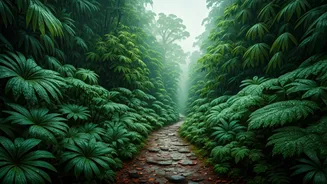
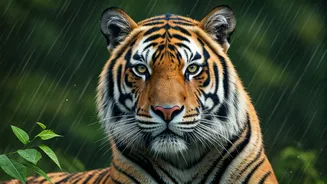
this is still true for many core areas, a growing number of national parks are now embracing the rains. Forest departments have recognized the demand for year-round nature experiences and are now actively promoting safaris in buffer zones and specific, all-weather tourist zones. This isn't just about revenue; it's about offering a different kind of safari. The monsoon transforms the forest into a vibrant, emerald landscape, with fewer crowds and unique animal behaviours. For photographers and true nature lovers, the dramatic skies and rain-washed scenery provide a stunning backdrop that the dry summer months simply cannot match. This shift means that planning a jungle trip in July or August is no longer a fringe activity but a viable and increasingly popular option.
Tadoba: Maharashtra’s Monsoon Magnet
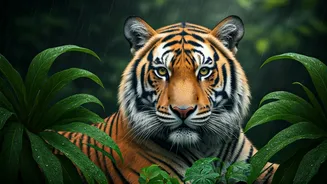
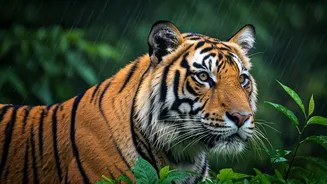
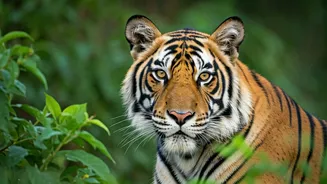
Tadoba-Andhari Tiger Reserve in Maharashtra has been a trailblazer for monsoon safaris. While its core areas observe a temporary closure, several of its buffer zones—like Junona, Devada, and Agarzari—and even some core gates like Moharli, remain operational, weather permitting. The monsoon safari experience in Tadoba is less about chasing tiger sightings (though still possible) and more about appreciating the thriving ecosystem. The landscape is breathtakingly green, water bodies are full, and the activity of herbivores like sambar and spotted deer is a constant spectacle. The rains also bring out a plethora of birds and smaller creatures, making it a paradise for photographers and patient observers. Guides report that the monsoon changes animal movement patterns, offering a chance to see a different side of the jungle's character. With fewer tourists, the experience feels more intimate and wild.
Periyar: The Year-Round Southern Gem
In the south, Periyar National Park in Kerala has always played by its own rules. It remains open throughout the year, and the monsoon is arguably one of the most magical times to visit. The park’s centrepiece is the vast Periyar Lake, and the primary mode of wildlife viewing is by boat safari. During the monsoon, the mist hangs heavy over the water, creating an atmospheric, almost mystical setting. Herds of elephants are a common sight along the banks, often seen bathing and playing in the shallows. Besides elephants, you can spot gaur (Indian bison), sambar deer, and a rich diversity of birdlife. The park also offers guided nature walks and bamboo rafting, providing a quieter, more immersive way to experience the rain-soaked forest. Unlike the jeep-dominated parks of Central India, Periyar’s water-based safari is a tranquil and accessible experience for all.
Corbett & Ranthambore: The Buffer Zone Boom
India's most famous tiger parks are also getting in on the monsoon action. At Jim Corbett National Park in Uttarakhand, core zones like Dhikala close, but several other gates, including Jhirna, Dhela, and Sitabani, remain open for jeep safaris all year round. These zones offer a fantastic glimpse of the park's diverse flora and fauna, which flourishes in the rain. Similarly, Ranthambore National Park in Rajasthan keeps safari zones 6 to 10 open for tourists during the monsoon. While tiger sightings can be more challenging due to the dense foliage, the trade-off is a dramatically greener landscape, far fewer jeeps, and a more peaceful jungle experience. In both parks, the focus shifts from a single-minded pursuit of tigers to appreciating the entire forest ecosystem, from the smallest insects to the largest herds of deer.
Karnataka's Evergreen Circuit: Kabini and Nagarhole
Karnataka’s wildlife sanctuaries, particularly the Nagarhole-Bandipur-Kabini circuit, are largely accessible during the monsoon, though safari routes may be altered depending on rainfall. Kabini, part of Nagarhole National Park, is especially renowned for its monsoon sightings. The backwaters of the Kabini reservoir attract large congregations of elephants, and the lush greenery makes for incredible photography. It is one of southern India's most reliable wildlife destinations during the rains, with chances to spot leopards and even the elusive black panther. The combination of river and forest ecosystems creates dynamic viewing opportunities. Safaris in this region offer a mix of jeep and boat options, providing a comprehensive experience of the vibrant, rain-fed wilderness.