






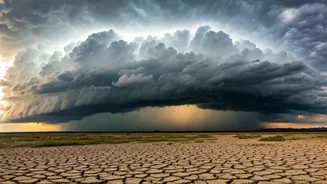


The Monsoon's False Start
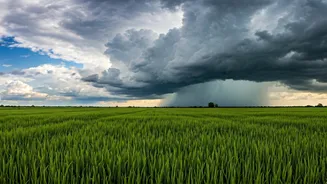
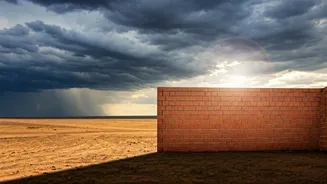
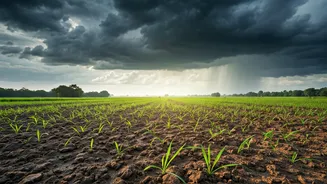
Across India's agricultural heartlands, the first showers of the season have arrived, painting a picture of relief. However, the India Meteorological Department (IMD) and various state agricultural bodies are flagging a critical concern: the current rainfall
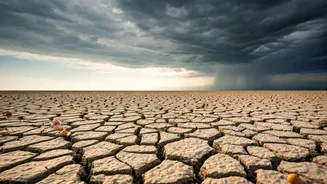
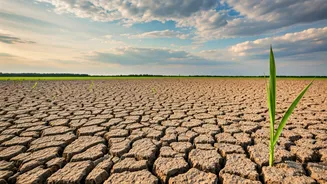
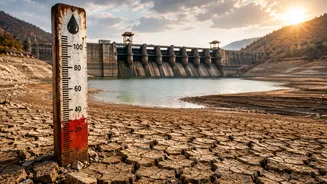
is patchy and insufficient for widespread sowing. While the monsoon has officially advanced over some areas, its distribution remains uneven. Many key farming regions, particularly in central and northern plains, have received only light, pre-monsoon showers. Experts describe this as a potential 'false start'—a situation where initial rains are followed by a long, dry spell. This gap between the first showers and the establishment of consistent, soaking rains is the most dangerous period for a newly planted crop.
The High Cost of Premature Sowing
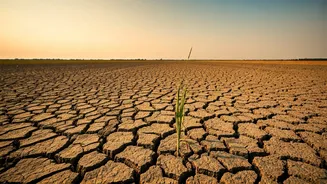
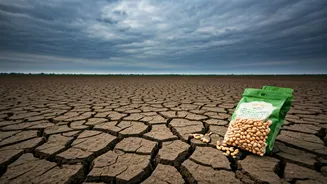
Planting seeds into soil that lacks adequate moisture is a significant gamble with severe financial consequences. The primary risk is poor germination. Seeds may fail to sprout altogether, or they may germinate weakly, leading to a sparse and unhealthy crop stand. This forces farmers into the costly and labour-intensive process of re-sowing, effectively doubling their expenditure on seeds and initial land preparation. Furthermore, a weak crop is far more susceptible to pest and disease attacks right from the start. A dry spell following germination can stress the young plants, making them an easy target for insects like white grub and sucking pests, which thrive in such conditions. Ultimately, sowing too early risks not just the cost of seeds, but the potential yield of the entire season.
What 'Proper Rainfall' Really Means
The advice to wait for 'proper rainfall' is not just a general suggestion; it is based on specific scientific parameters. Agricultural universities and experts define this as the point when the soil has received enough moisture to support a seedling through its initial growth phase. A reliable rule of thumb is to wait for at least 100-125 mm (4-5 inches) of cumulative rainfall before beginning to sow major Kharif crops. This amount of rain ensures that the soil moisture penetrates to a depth of at least 15-20 cm. This moisture reserve acts as a buffer, allowing the young plant to survive for a week or more even if there is a subsequent dry period. Sowing in shallow moisture means the seedling's roots cannot access enough water, leading to wilting and death as soon as the topsoil dries out.
Guidance from Agricultural Authorities
This cautionary message is being echoed by official bodies across the country. The Vasantrao Naik Marathwada Agricultural University (VNMAU) has explicitly advised farmers in Maharashtra to delay sowing until the region receives 80-100 mm of rain. Similarly, advisories in Punjab and Haryana are asking cotton and paddy farmers to monitor local weather forecasts closely. The consensus is clear: do not mistake the first showers for the established monsoon. Farmers are encouraged to follow the block-level advisories issued by their state agriculture departments and Krishi Vigyan Kendras (KVKs). These local bodies provide the most relevant and up-to-date information tailored to specific micro-climatic conditions, ensuring that the decision to sow is based on solid data, not just hope.
Patience is a Farmer's Best Tool
For crops like soybean, cotton, maize, and pulses, the timing of the first irrigation—provided by the monsoon—is everything. These crops are particularly vulnerable to early-season moisture stress. Waiting an extra week or two for the monsoon to properly establish itself can be the difference between a bumper harvest and a failed season. This period of waiting can also be used productively for final land preparations, ensuring the field is ready for optimal planting once the conditions are right. Farmers can also use this time to procure quality seeds and other inputs, ensuring they are not making hasty decisions when the rain finally arrives in full force.