








The Monsoon Gut Challenge
The monsoon season brings welcome relief from the summer heat, but it also presents a unique set of challenges for our digestive system. According to both modern science and ancient Ayurvedic wisdom, this is a time when our 'agni' or digestive fire is naturally
at its weakest. The high humidity can slow down our metabolism, making it harder for the body to process heavy foods. Furthermore, the damp environment is a breeding ground for bacteria and viruses, increasing the risk of water-borne and food-borne infections like diarrhoea, cholera, and typhoid. This combination of a weakened digestive system and a higher risk of contamination is precisely why a conscious focus on gut health is not just a trend, but a smart seasonal strategy.
From Craving to Conscious Choice
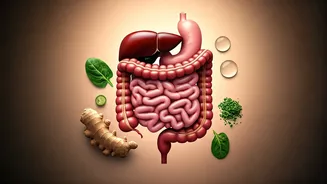
For generations, Indian households have followed certain unwritten rules for monsoon eating—avoiding leafy greens, favouring warm soups, and using specific spices. Today, the modern wellness movement is reframing this traditional wisdom through the lens of 'gut health'. The vague advice of 'it's not good for your stomach' is being replaced by a clearer understanding of the gut microbiome. People are now more aware that a healthy gut, populated by beneficial bacteria, is the foundation of a strong immune system. This shift is leading many to move beyond simply satisfying cravings for fried snacks. Instead, they are actively seeking out foods that nourish their gut, boost immunity, and aid digestion, turning the rainy season into an opportunity for mindful eating rather than mindless indulgence.
What to Add to Your Plate
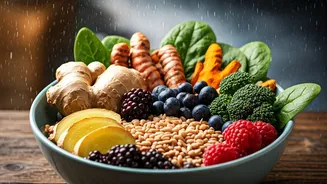
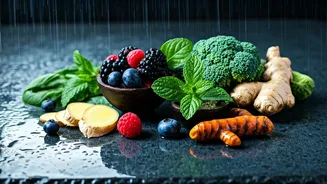
Building a gut-friendly monsoon diet is about incorporating light, warm, and easy-to-digest foods. Start with these powerhouse ingredients: * **Ginger and Garlic:** Both are famed for their anti-inflammatory and antibacterial properties. Adding them to soups, dals, and vegetable preparations can help fight off infections and aid digestion. * **Turmeric:** This golden spice is a potent immunity booster. A pinch of turmeric in warm milk ('haldi doodh') or in your daily cooking can work wonders. * **Moong Dal:** Exceptionally light on the stomach and rich in protein, moong dal is the perfect lentil for the season. Enjoy it as a simple dal, a comforting khichdi, or a warm soup. * **Seasonal Gourds:** Vegetables like lauki (bottle gourd), tori (ridge gourd), and parwal (pointed gourd) have high water content and are easy to digest. They are best eaten cooked, for instance in a simple sabzi or stew. * **Probiotics:** Yoghurt and buttermilk (chaas) are excellent sources of probiotics, the good bacteria that keep your gut healthy. They help maintain digestive balance and fight off pathogens.
Foods to Approach with Caution
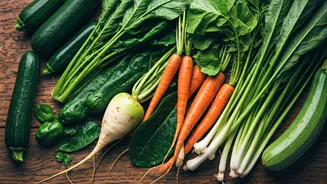
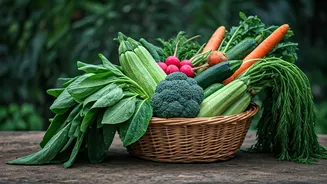
While enjoying the monsoon, it’s wise to be mindful of certain foods that can tax your digestive system or pose a higher risk of infection: * **Raw Leafy Greens:** Vegetables like spinach and cabbage can be difficult to clean thoroughly, and they may harbour dirt, germs, and even worms during this season. It's best to opt for well-cooked vegetables instead of raw salads. * **Street Food, Especially Fried Snacks:** While tempting, fried food is heavy and difficult to digest when your metabolism is already sluggish. Moreover, the hygiene of street food stalls can be a concern, especially with the increased risk of water contamination. * **Raw Seafood and Fish:** The risk of contamination in fish is higher during the monsoons, as this is often the breeding season. If you do eat fish, ensure it is extremely fresh and cooked thoroughly. * **Excessive Dairy:** While yoghurt is beneficial, heavy dairy products like cheese and cream can be difficult to digest. It's best to consume them in moderation.
Beyond the Plate: Hydration and Habits
Gut health isn't just about what you eat; it's also about how you drink and live. Dehydration can be a sneaky problem during the humid monsoons, so ensure you drink plenty of fluids. However, instead of cold water, which can dampen the digestive fire, opt for warm water, herbal teas (like ginger or tulsi tea), and clear vegetable broths. These warm liquids not only hydrate but also help flush out toxins and support digestion. Avoiding overly spicy and oily foods, eating smaller, more frequent meals, and ensuring your food is always freshly cooked are simple yet powerful habits to adopt for a healthy and happy monsoon.